Diamond Rings: A Guide to Styles, Settings, and Diamond Features
Diamond rings are admired for their elegant appearance and timeless design.
They are available in many styles, settings, and diamond shapes, making them suitable for different occasions and personal preferences. Learning about their features can help readers better understand how diamond rings are designed and what makes each style unique.
What Are Diamond Rings?
Diamond rings are jewelry pieces that feature one or more diamonds secured within a metal band. Over the years, jewelry designers have introduced a wide variety of ring styles that combine traditional craftsmanship with modern design trends.
Today, diamond rings are available in simple, classic, contemporary, and decorative designs, allowing individuals to appreciate different artistic styles.
Popular Diamond Ring Styles
Solitaire Rings
A solitaire ring features a single diamond mounted at the center of the band. This classic style emphasizes simplicity and highlights the natural beauty of the diamond.
Halo Rings
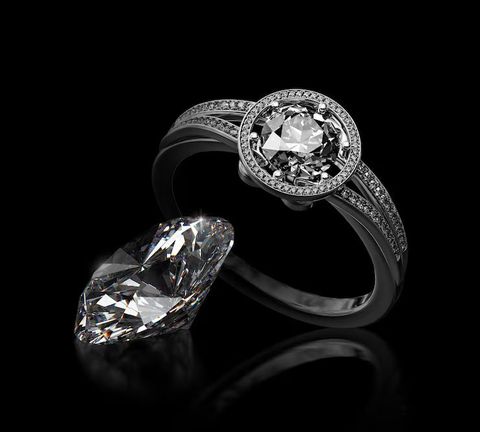
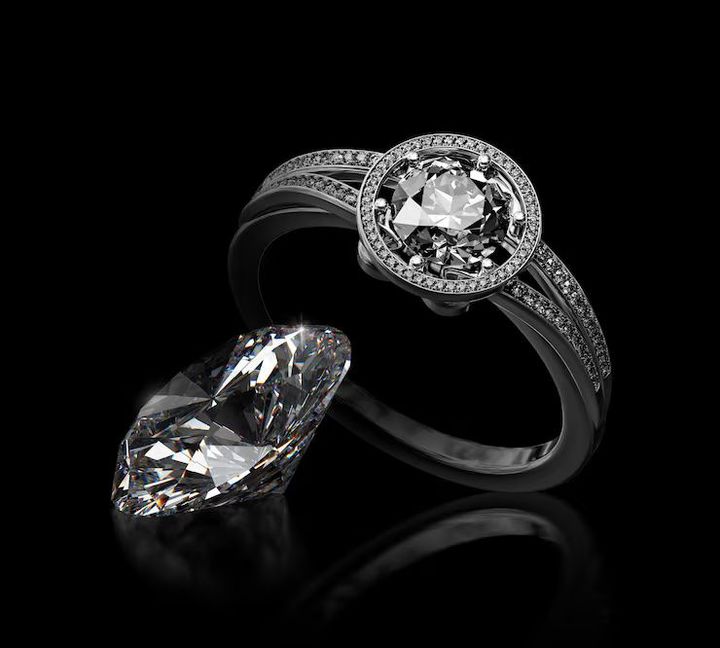
Halo rings surround the center diamond with a circle of smaller diamonds. This setting creates additional brilliance and gives the ring a distinctive appearance.
Three-Stone Rings
Three-stone rings include one larger center diamond with two side diamonds. The balanced arrangement creates an elegant and symmetrical design.
Pavé Rings
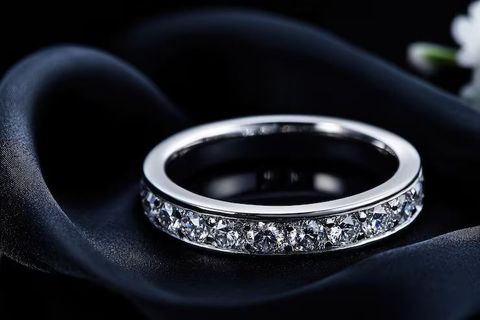
Pavé rings feature numerous small diamonds placed closely together along the band. The continuous pattern adds texture and sparkle.
Vintage-Inspired Rings
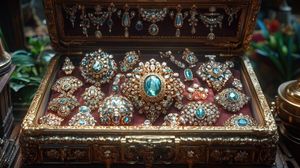
Vintage-inspired rings often include decorative engravings, detailed metalwork, and classic patterns influenced by historical jewelry designs.
Common Diamond Shapes
Diamonds are carefully cut into different shapes, each offering a unique appearance.
Some popular diamond shapes include:
- Round Brilliant
- Princess
- Oval
- Cushion
- Emerald
- Pear
- Marquise
- Radiant
- Asscher
- Heart
Each shape reflects light differently and contributes to the overall design of the ring.
Understanding Diamond Characteristics
Diamonds are commonly described using four primary characteristics.
Cut
The cut determines how well a diamond reflects light. Different cutting styles create different levels of brilliance and visual appeal.
Color
Diamonds naturally occur in various color grades, ranging from nearly colorless to more noticeable shades.
Clarity
Clarity refers to naturally occurring internal or external characteristics that developed during the diamond's formation.
Carat Weight
Carat weight measures the weight of the diamond. While larger diamonds generally have greater carat weight, overall appearance also depends on cut, shape, and proportions.
Ring Setting Styles
The setting holds the diamond securely while contributing to the ring's overall appearance.
Common setting styles include:
Prong Setting
Small metal prongs hold the diamond in place while allowing light to enter from multiple directions.
Bezel Setting
A bezel setting surrounds the diamond with a thin metal rim, creating a smooth and modern appearance.
Channel Setting
Channel settings position smaller diamonds between two metal edges, producing a clean and continuous design.
Tension Setting
A tension setting creates the visual effect of the diamond being suspended between the two sides of the band.
Common Ring Materials
Diamond rings are crafted using several precious metals.
White Gold
White gold offers a bright appearance that complements many diamond styles.
Yellow Gold
Yellow gold remains one of the most traditional choices for fine jewelry.
Rose Gold
Rose gold provides a warm color tone that pairs well with both classic and contemporary designs.
Platinum
Platinum is valued for its durability and naturally light color, making it a popular material for premium jewelry.
Caring for Diamond Rings
Proper care helps preserve the appearance of a diamond ring.
Helpful care practices include:
- Clean the ring using appropriate jewelry cleaning methods.
- Store it separately from other jewelry pieces.
- Remove the ring before activities involving harsh chemicals.
- Check the setting periodically to ensure the diamond remains secure.
- Keep the ring in a protective jewelry box when not in use.
Regular maintenance helps maintain both the diamond and the metal setting over time.
Modern Diamond Ring Design Trends
Jewelry designers continue introducing new design ideas while preserving traditional styles.
Popular trends include:
- Minimalist ring designs
- Mixed metal bands
- Nature-inspired patterns
- Hidden halo settings
- Geometric designs
- Vintage-inspired details
- Custom decorative elements
These trends demonstrate how diamond ring designs continue to evolve while maintaining their timeless appeal.
Conclusion
Diamond rings are available in numerous styles, settings, diamond shapes, and metal options. Understanding these features provides useful information about jewelry design and craftsmanship. Whether exploring classic or modern styles, learning about diamond rings helps readers appreciate the variety and artistry found in contemporary jewelry collections.