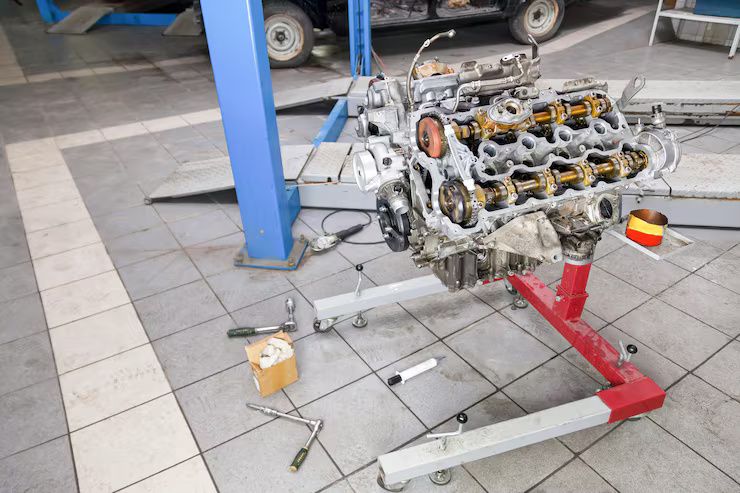
Engine test benches are specialized testing systems used to evaluate the performance, efficiency, durability, and emissions of internal combustion engines and related power units. These systems provide a controlled environment where engineers can monitor how an engine behaves under different operating conditions such as load, speed, temperature, and fuel delivery.
The need for engine test benches emerged as engine technology became more advanced and performance requirements became stricter. Early engine development relied heavily on trial-and-error testing inside vehicles or machines. This approach made it difficult to measure performance accurately or isolate specific variables. Test benches were introduced to create a stable testing platform where engines could be analyzed independently from the vehicle or equipment in which they operate.
Modern engine test benches allow engineers to measure power output, torque, fuel consumption, thermal behavior, vibration levels, and emissions. By simulating real-world operating conditions in a controlled environment, these systems support safer and more reliable engine development.
Importance: Why Engine Test Benches Matter Today
Engine test benches are essential tools in modern engineering because they ensure engines meet performance expectations, environmental regulations, and reliability standards before being deployed in vehicles or machinery.
Why this topic matters today:
-
Performance validation: Engineers verify engine power, torque, and efficiency before production.
-
Emission compliance: Engines must meet strict environmental limits for pollutants.
-
Reliability testing: Long-duration tests reveal wear patterns and potential failure points.
-
Design optimization: Controlled testing helps engineers refine combustion efficiency and thermal management.
-
Safety assurance: Testing prevents defective engines from reaching operational environments.
Engine test benches affect a wide range of stakeholders, including automotive engineers, research institutions, engine manufacturers, industrial equipment designers, and regulatory bodies. They help solve problems related to engine inefficiency, overheating, excessive vibration, fuel waste, and emission non-compliance.
Industries such as automotive manufacturing, power generation, marine engineering, aerospace support systems, and heavy machinery rely on engine testing systems to maintain consistent performance and safety standards.
Recent Updates: Industry Trends and Developments (2024–2025)
Engine testing technology has evolved significantly in recent years as powertrain systems become more complex and environmentally regulated.
| Year | Development or Trend | Impact on Engine Testing |
|---|---|---|
| 2024 | Integration of advanced digital monitoring | Improved real-time performance analysis |
| 2024 | Hybrid and electric powertrain testing capability | Expanded testing beyond traditional combustion engines |
| 2025 | Automated test cycles and remote monitoring | Increased efficiency in long-duration tests |
| 2025 | Enhanced emission measurement systems | Greater accuracy in environmental compliance testing |
Recent developments also include improved data acquisition systems that capture high-frequency measurements from sensors monitoring pressure, temperature, airflow, and exhaust composition. Some testing facilities now combine engine test benches with simulation platforms that predict real-world performance based on controlled testing results.
Laws and Policies: Regulatory Influence on Engine Testing
Engine test benches are strongly influenced by environmental, safety, and manufacturing regulations. These policies ensure that engines meet national and international standards before entering the market.
Common regulatory frameworks include:
-
Emission standards: Government regulations limit pollutants such as nitrogen oxides, carbon monoxide, and particulate matter.
-
Vehicle certification programs: Require standardized engine testing before approval for commercial use.
-
Industrial safety regulations: Address safe handling of fuels, exhaust gases, and rotating equipment in testing facilities.
-
Energy efficiency programs: Encourage improved fuel efficiency and reduced environmental impact.
In many countries, national environmental agencies require certified testing procedures for engines used in transportation, agriculture, and industrial equipment. Testing laboratories must follow standardized methods to ensure accurate and comparable results across manufacturers.
Tools and Resources for Engine Testing and Analysis
Engine test benches rely on a variety of technical tools and supporting resources to evaluate engine performance accurately.
Key equipment used in engine test systems:
-
Engine dynamometers for measuring torque and rotational speed
-
Fuel flow measurement devices
-
Exhaust gas analyzers for emission monitoring
-
Temperature and pressure sensors
-
Data acquisition systems for real-time monitoring
Helpful resources for engineers and researchers:
-
Engineering simulation platforms for combustion analysis
-
Fuel efficiency calculation tools
-
Engine performance modeling templates
-
Technical documentation from engineering organizations
-
Research journals covering powertrain development
These tools allow engineers to interpret testing data, refine engine designs, and ensure performance stability under various operating conditions.
Types of Engine Test Systems
Engine test benches can be categorized based on the purpose of testing and the design of the test system.
| Test System Type | Primary Purpose | Typical Application |
|---|---|---|
| Performance test benches | Measure power output and efficiency | Automotive development |
| Durability test benches | Long-term reliability testing | Industrial engines |
| Emission test benches | Analyze exhaust composition | Environmental compliance |
| Research test benches | Experimental engine development | Academic and R&D laboratories |
Each type of system focuses on specific engineering goals while maintaining controlled test conditions.
Operation Methods: How Engine Test Benches Work
Engine test benches operate by coupling an engine to a controlled load system, typically a dynamometer. This system applies resistance to the engine while measuring its response.
Typical operation steps include:
-
Engine installation: The engine is mounted securely on the test bench.
-
Sensor integration: Monitoring instruments are connected to key engine systems.
-
Load simulation: The dynamometer applies controlled resistance.
-
Performance measurement: Data is collected on power, torque, fuel use, and emissions.
-
Analysis and reporting: Engineers evaluate the results to assess performance and reliability.
These procedures allow engineers to study engine behavior across different operating speeds and loads without relying on vehicle testing alone.
Frequently Asked Questions
What is the primary function of an engine test bench?
An engine test bench evaluates engine performance, efficiency, durability, and emissions in a controlled environment.
Why are dynamometers used in engine testing?
Dynamometers measure engine torque and power output while simulating real-world loads.
Which industries use engine test benches?
Automotive manufacturing, power generation, marine engineering, aerospace support, and heavy machinery industries rely on engine testing systems.
Can engine test benches simulate real operating conditions?
Yes. Test benches can replicate various speeds, loads, and environmental conditions to study engine performance.
How do test benches support environmental regulations?
They measure exhaust emissions to ensure engines meet government pollution standards.
Conclusion
Engine test benches are vital tools for modern engineering and industrial development. By providing controlled environments for performance measurement and reliability testing, they ensure engines operate safely, efficiently, and in compliance with environmental regulations. From early design validation to final certification, these systems support the entire lifecycle of engine development.
As powertrain technologies evolve and environmental requirements become stricter, engine testing systems will continue to advance through automation, improved measurement accuracy, and integration with digital engineering tools. Understanding engine test benches helps engineers and learners appreciate the critical processes that ensure reliable power systems in modern transportation and industry.