Furniture Designs: Complete Guide to Styles & Materials
Furniture plays an important role in both residential and commercial spaces.
Beyond providing functionality, furniture contributes to comfort, organization, and visual appeal. The design, material, and construction of furniture can significantly influence how a space looks and feels.
Modern furniture design combines aesthetics, durability, and practicality. From minimalist contemporary pieces to traditional handcrafted designs, furniture styles continue to evolve to meet changing lifestyles and interior preferences.
Understanding furniture styles and materials can help individuals make informed decisions when selecting pieces for homes, offices, hospitality environments, and other settings.
Understanding Furniture Design
Furniture design refers to the planning and creation of furnishings intended for seating, storage, dining, working, and relaxation. Good furniture design balances appearance, comfort, functionality, and durability.
Designers consider factors such as:
- Space utilization
- Ergonomics
- Material selection
- Structural stability
- Visual aesthetics
- Maintenance requirements
Furniture design has developed over centuries, resulting in numerous styles that reflect different cultures, technologies, and design philosophies.
Quick Facts About Furniture Designs
| Feature | Description |
|---|---|
| Purpose | Comfort, storage, and functionality |
| Common Materials | Wood, metal, glass, fabric, engineered materials |
| Design Categories | Traditional, modern, contemporary, industrial, rustic |
| Usage Areas | Homes, offices, hospitality, healthcare |
| Key Considerations | Durability, comfort, appearance |
| Manufacturing Methods | Handcrafted and machine-assisted |
| Popular Trends | Minimalist and multifunctional furniture |
| Customization | Available in many designs and finishes |
Evolution of Furniture Design
Furniture has evolved significantly over time.
Traditional Furniture Era
Traditional furniture often featured detailed craftsmanship, carved wood, and decorative elements.
Industrial Manufacturing Period
Mass production techniques increased accessibility and consistency.
Modern Design Movement
Modern furniture emphasized simplicity, functionality, and clean lines.
Contemporary Design Trends
Today's furniture combines aesthetics, technology, sustainability, and space efficiency.
Major Furniture Design Styles
Traditional Furniture
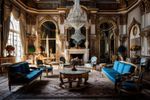
Traditional furniture draws inspiration from historical craftsmanship and classic design principles.
Characteristics
- Ornamental details
- Rich wood finishes
- Decorative carvings
- Symmetrical designs
Modern Furniture
Modern furniture focuses on simplicity and practicality.
Characteristics
- Clean lines
- Minimal decoration
- Functional layouts
- Geometric forms
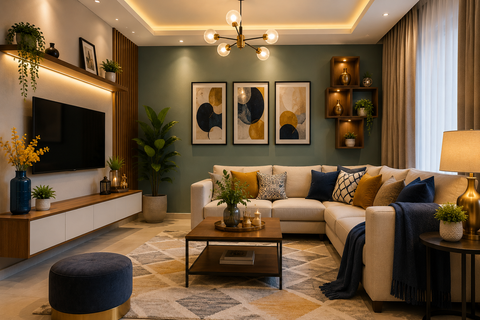
Contemporary Furniture
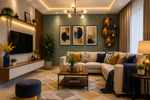
Contemporary design reflects current trends and evolving preferences.
Characteristics
- Flexible styling
- Neutral color palettes
- Mixed materials
- Adaptable layouts
Industrial Furniture
Industrial furniture is inspired by factories and warehouses.
Characteristics
- Metal components
- Exposed structures
- Reclaimed materials
- Practical appearance
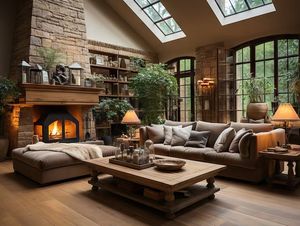
Rustic Furniture
Rustic furniture emphasizes natural textures and organic materials.
Characteristics
- Natural wood grains
- Earth-inspired aesthetics
- Handcrafted appearance
- Warm visual appeal
Scandinavian Furniture
Scandinavian design prioritizes simplicity, comfort, and functionality.
Characteristics
- Light colors
- Minimalist forms
- Functional layouts
- Natural materials
Furniture Style Comparison
| Style | Appearance | Common Materials | Typical Setting |
|---|---|---|---|
| Traditional | Decorative | Solid wood | Formal interiors |
| Modern | Minimalist | Wood, metal, glass | Contemporary homes |
| Contemporary | Trend-focused | Mixed materials | Modern spaces |
| Industrial | Raw and practical | Metal and wood | Urban interiors |
| Rustic | Natural | Wood and stone | Country-inspired spaces |
| Scandinavian | Simple and bright | Wood and fabric | Compact living spaces |
Common Furniture Materials
Material selection influences durability, appearance, maintenance, and performance.
Solid Wood
Solid wood remains one of the most widely used furniture materials.
Advantages
- Durable construction
- Natural appearance
- Long lifespan
- Timeless appeal
Engineered Wood
Engineered wood products are manufactured using wood fibers or layers.
Advantages
- Consistent structure
- Smooth finishes
- Versatile applications
Metal
Metal furniture is commonly used in residential, office, and industrial settings.
Advantages
- Structural strength
- Modern appearance
- Long-term durability
Glass
Glass is often used for tabletops and decorative elements.
Advantages
- Modern aesthetics
- Visual openness
- Easy surface cleaning
Fabric
Fabric is commonly used in upholstered furniture.
Advantages
- Comfort
- Variety of textures
- Design flexibility
Leather
Leather remains a popular upholstery material.
Advantages
- Sophisticated appearance
- Durability
- Long-term use potential
Furniture Material Comparison
| Material | Durability | Maintenance | Common Applications |
|---|---|---|---|
| Solid Wood | High | Moderate | Tables, cabinets, beds |
| Engineered Wood | Moderate | Moderate | Shelving, desks |
| Metal | High | Low | Office and industrial furniture |
| Glass | Moderate | Moderate | Tables and display units |
| Fabric | Moderate | Regular care | Sofas and chairs |
| Leather | High | Moderate | Seating furniture |
Furniture Construction Components
| Component | Function |
|---|---|
| Frame | Provides structural support |
| Surface Panels | Form visible furniture areas |
| Fasteners | Join components together |
| Upholstery | Provides comfort and aesthetics |
| Finish Layer | Protects surfaces |
| Hardware | Supports movement and functionality |
Furniture Design Architecture
Structural Framework
The framework forms the foundation of the furniture piece.
Load-Bearing Components
These components support weight and maintain stability.
Surface Elements
Visible surfaces contribute to appearance and usability.
Functional Features
Drawers, shelves, hinges, and adjustable parts enhance usability.
Finishing Systems
Protective finishes improve durability and appearance.
How Furniture Is Designed
Step 1: Identify Functional Requirements
Design begins by defining the furniture's intended purpose.
Step 2: Select Materials
Materials are chosen according to durability, aesthetics, and application.
Step 3: Create Design Concepts
Designers develop sketches and digital models.
Step 4: Build Prototypes
Prototype development allows testing and refinement.
Step 5: Manufacturing
Approved designs move into production.
Step 6: Quality Evaluation
Finished products undergo inspection and testing.
Room-Based Furniture Applications
Living Room Furniture
Common examples include:
- Sofas
- Coffee tables
- Entertainment units
- Side tables
Bedroom Furniture
Examples include:
- Beds
- Wardrobes
- Nightstands
- Dressers
Dining Room Furniture
Common pieces include:
- Dining tables
- Dining chairs
- Storage cabinets
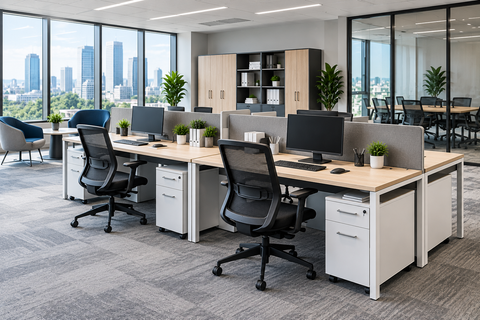
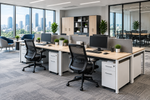
Office Furniture
Examples include:
- Desks
- Ergonomic chairs
- Filing cabinets
- Conference tables
Furniture Selection Factors
Available Space
Furniture dimensions should suit the room size.
Comfort
Comfort is especially important for seating furniture.
Material Performance
Material characteristics affect durability and maintenance.
Design Compatibility
Furniture should complement the overall interior design.
Intended Usage
Different environments require different performance characteristics.
Environmental Considerations
Sustainability has become an important aspect of furniture manufacturing and design.
Responsible Material Usage
Many manufacturers prioritize efficient use of raw materials.
Long Product Lifespan
Durable furniture may reduce replacement frequency.
Recyclable Materials
Metal, glass, and certain wood products can support recycling initiatives.
Sustainable Design Trends
Furniture designers increasingly focus on longevity and material efficiency.
Industry Standards and Safety
Furniture products are often evaluated according to safety, durability, and performance requirements.
Structural Stability
Testing helps ensure furniture remains stable during normal use.
Load Capacity Evaluation
Products may be tested for weight-bearing performance.
Surface Safety
Finishes are evaluated for durability and user safety.
Ergonomic Considerations
Office and seating furniture often incorporate ergonomic principles.
Common Challenges and Practical Solutions
| Challenge | Practical Solution |
|---|---|
| Limited Space | Use multifunctional furniture |
| Material Wear | Follow maintenance guidelines |
| Storage Constraints | Choose modular solutions |
| Changing Needs | Select adaptable furniture |
| Layout Limitations | Use flexible configurations |
Furniture Maintenance Schedule
| Maintenance Task | Frequency | Purpose |
|---|---|---|
| Dust Surfaces | Weekly | Maintain appearance |
| Inspect Hardware | Monthly | Ensure stability |
| Clean Upholstery | As Needed | Maintain cleanliness |
| Check Structural Components | Periodically | Preserve safety |
| Surface Care | Periodically | Protect finishes |
| Deep Cleaning | Every Few Months | Extend furniture life |
Best Practices for Furniture Care
- Follow material-specific maintenance recommendations.
- Protect surfaces from excessive moisture.
- Clean spills promptly.
- Inspect moving parts periodically.
- Maintain proper indoor environmental conditions.
- Use furniture according to intended applications.
Expert Insights
Furniture specialists often recommend evaluating both functionality and material quality before selecting furniture. A visually appealing design may be important, but long-term comfort, durability, and maintenance requirements are equally significant.
Selecting furniture that aligns with room dimensions and intended usage often results in better long-term satisfaction.
Key Facts About Furniture Design
- Furniture design combines functionality and aesthetics.
- Material selection influences durability and maintenance.
- Modern furniture often incorporates multifunctional features.
- Ergonomics plays a major role in seating design.
- Sustainable materials continue gaining attention across the industry.
Future Trends and Industry Insights
Smart Furniture
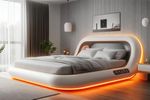
Technology integration is becoming more common in furniture design.
Multifunctional Solutions
Space-saving furniture continues to gain popularity.
Sustainable Materials
Environmental considerations are influencing material selection.
Modular Designs
Flexible furniture systems support changing living environments.
Advanced Manufacturing
New production technologies continue improving design possibilities.
Frequently Asked Questions
What is furniture design?
Furniture design is the process of creating functional and visually appealing furnishings.
What materials are commonly used in furniture?
Wood, metal, glass, fabric, leather, and engineered materials are widely used.
What is modern furniture?
Modern furniture emphasizes simplicity, functionality, and clean lines.
What is contemporary furniture?
Contemporary furniture reflects current design trends and evolving styles.
Why is material selection important?
Materials influence durability, appearance, maintenance, and performance.
What is ergonomic furniture?
Furniture designed to support comfort and proper body positioning.
What are multifunctional furniture designs?
Furniture pieces that perform multiple functions within a space.
How can furniture support small spaces?
Compact and modular designs help maximize available space.
Why is furniture maintenance important?
Regular maintenance helps preserve appearance and functionality.
What future trends are shaping furniture design?
Smart features, sustainability, modular systems, and advanced manufacturing technologies.
Conclusion
Furniture design continues to evolve as lifestyles, technologies, and interior preferences change. From traditional craftsmanship to modern multifunctional solutions, furniture serves both practical and aesthetic purposes across residential, commercial, and institutional environments.
Understanding furniture styles, materials, construction methods, and maintenance considerations helps individuals make informed decisions when selecting furnishings. As sustainability, ergonomics, and innovation continue to influence the industry, furniture design is expected to become even more adaptable, efficient, and user-focused.