Automated Storage Systems are advanced material handling solutions designed to store, retrieve, and manage inventory using technology rather than manual labor alone. These systems are widely used in warehouses, distribution centers, manufacturing plants, and e-commerce fulfillment hubs.
As global supply chains become more complex and demand faster order processing, businesses increasingly rely on automated warehouse systems, ASRS warehouse technology, and robotic storage solutions to improve efficiency and accuracy.
Automated storage exists to solve modern logistics challenges such as space limitations, labor shortages, inventory errors, and growing order volumes.
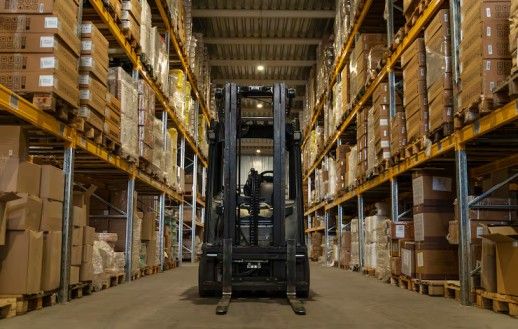
An Automated Storage and Retrieval System (ASRS) is a computer-controlled system that automatically places and retrieves goods from defined storage locations. It combines mechanical structures, robotics, sensors, and warehouse automation software to manage inventory efficiently.
Traditional warehouses often rely on manual picking, forklifts, and paper-based tracking. These methods can lead to slower operations and higher error rates. Automated systems were developed to provide:
-
Faster inventory access
-
Higher storage density
-
Improved order accuracy
-
Reduced manual handling
-
Real-time inventory visibility
Common types of automated storage systems include:
Automated Storage and Retrieval Systems (ASRS)
These systems use cranes or shuttles that move along aisles to store and retrieve pallets or bins. They are ideal for high-volume industrial environments.
Vertical Lift Modules (VLMs)
VLMs store items in vertical columns and automatically deliver trays to an access point. They are space-efficient and common in manufacturing and spare parts management.
Automated Guided Vehicles (AGVs) and Autonomous Mobile Robots (AMRs)
These robotic systems transport materials across warehouse floors without fixed tracks, guided by sensors and software algorithms.
Carousel Systems
Horizontal or vertical carousels rotate stored items to an operator station, minimizing travel time.
Modern automated warehouse design focuses on maximizing vertical space while integrating robotics, conveyor systems, and warehouse management software.
Working Principles of Automated Storage Systems
Automated storage systems operate through a combination of hardware and intelligent software.
The basic workflow includes:
-
Inventory is scanned and logged into a Warehouse Management System (WMS).
-
The system assigns a storage location based on size, weight, and demand frequency.
-
A robotic crane, shuttle, or lift transports the item to its designated location.
-
When retrieval is requested, the system automatically locates and delivers the item.
Core components include:
-
Storage racks and structural frames
-
Robotic shuttles or cranes
-
Conveyor systems
-
Barcode or RFID scanners
-
Warehouse control software
-
Sensors and safety systems
High-density automated storage solutions significantly reduce floor space usage while maintaining precise inventory control.
Real-time data integration allows managers to monitor stock levels, track performance, and forecast demand.
Importance: Why Automated Storage Systems Matter Today
Global logistics and e-commerce growth have increased pressure on warehouses to process orders quickly and accurately. Consumers expect rapid fulfillment, and businesses must adapt to remain competitive.
Automated storage systems help address key challenges:
-
Limited warehouse space in urban areas
-
Rising labor costs
-
Increased order complexity
-
Inventory inaccuracies
-
Safety risks from manual handling
Industries that benefit include:
-
E-commerce fulfillment centers
-
Pharmaceutical distribution
-
Automotive parts manufacturing
-
Cold storage facilities
-
Electronics manufacturing
Warehouse automation technology enhances operational efficiency, improves inventory accuracy, and reduces workplace injuries.
By minimizing human travel time within warehouses, automated systems increase throughput while maintaining consistency.
Recent Updates and Industry Trends in 2025
In 2025, several trends have influenced automated storage system design and deployment.
Artificial intelligence integration has expanded significantly. AI-driven warehouse management platforms now analyze order patterns, optimize storage placement, and predict inventory movement.
In early 2025, multiple logistics providers introduced AI-powered robotic picking systems that integrate with ASRS platforms to improve order accuracy.
Sustainability has also become a focus. Energy-efficient motors and regenerative braking systems have been incorporated into automated cranes and shuttle systems to reduce power consumption.
Micro-fulfillment centers have gained attention in 2025, particularly in urban areas. These compact automated facilities enable faster last-mile delivery by using high-density storage combined with robotics.
Cybersecurity has emerged as a priority due to increased digital integration. Warehouse automation software now includes enhanced encryption and network security protocols to protect operational data.
Laws and Policies Affecting Automated Storage Systems
Automated storage systems are influenced by occupational safety laws, building regulations, and industrial automation standards.
In the United States, relevant regulations include:
-
Occupational Safety and Health Administration (OSHA) standards for workplace safety
-
National Fire Protection Association (NFPA) guidelines for warehouse fire safety
These regulations address:
-
Equipment guarding and emergency stops
-
Fire suppression systems
-
Structural load capacity
-
Electrical safety compliance
In the European Union, automated systems must meet CE marking requirements and Machinery Directive standards, ensuring safe design and operation.
In India, industrial automation and warehouse facilities are subject to:
-
Factory Act compliance
-
Bureau of Indian Standards (BIS) safety guidelines
-
Fire safety regulations under state authorities
Compliance with automation safety standards ensures safe integration of robotics and mechanical systems within industrial facilities.
Tools and Resources for Automated Storage System Planning
Organizations planning automated storage solutions often use various digital tools and planning resources.
Common tools include:
• Warehouse Management Systems (WMS) – Manage inventory and coordinate automation.
• Warehouse Control Systems (WCS) – Direct robotic movements and machine operations.
• Storage Capacity Calculators – Estimate racking and density requirements.
• Simulation Software – Model warehouse layouts before implementation.
• ROI Analysis Tools – Evaluate long-term operational impact.
• Preventive Maintenance Platforms – Schedule inspections and monitor system health.
Below is a simplified comparison of storage system types:
| System Type | Ideal Use Case | Space Efficiency | Automation Level |
|---|---|---|---|
| ASRS | High-volume warehouses | Very High | Fully Automated |
| VLM | Compact industrial spaces | High | Semi to Fully Automated |
| AMR/AGV | Flexible transport | Moderate | Automated Mobility |
| Carousel | Small-item storage | Moderate | Semi-Automated |
These tools and system comparisons support informed planning and design decisions.
FAQs About Automated Storage Systems
What is an Automated Storage and Retrieval System (ASRS)?
An ASRS is a computer-controlled system that automatically stores and retrieves inventory using robotic cranes or shuttles.
How does warehouse automation improve accuracy?
By using barcode scanning, RFID tracking, and software control, automated systems reduce manual errors and maintain real-time inventory records.
Are automated storage systems suitable for small warehouses?
Yes. Solutions such as vertical lift modules and carousel systems are designed for compact environments.
Do automated systems reduce workplace risks?
They can lower risks associated with manual lifting and forklift traffic by minimizing direct human interaction with heavy materials.
Is automation compatible with existing warehouse software?
Most modern systems integrate with standard warehouse management platforms for seamless data exchange.
Conclusion
Automated storage systems represent a significant advancement in warehouse logistics and industrial operations. By combining robotics, intelligent software, and high-density storage design, these systems improve efficiency, accuracy, and safety.
Recent 2025 trends highlight the growing role of artificial intelligence, sustainability, and cybersecurity in warehouse automation. Regulatory compliance ensures safe implementation across industrial environments.
As supply chains continue to evolve, automated warehouse technology remains central to modern inventory management and operational optimization.