Top Water Treatment Systems: Essential Technology Guide
Clean and safe water is essential for homes, industries, agriculture, and public infrastructure.
Water treatment systems help improve water quality by removing impurities, reducing contaminants, and supporting various applications that require reliable water sources.
As water demand continues to grow, modern water treatment technologies play an important role in managing water resources efficiently. Understanding how these systems work can help readers learn about the processes used to improve water quality and support sustainable water management.
Understanding Water Treatment Systems
Water treatment systems are designed to improve the quality of water by removing unwanted substances such as sediments, microorganisms, minerals, and other contaminants. Different treatment methods are used depending on the source of the water and its intended use.
These systems are commonly used in:
- Residential properties
- Commercial buildings
- Industrial facilities
- Municipal water plants
- Agricultural operations
- Healthcare facilities
The primary goal is to provide water that meets specific quality standards for its intended application.
Why Water Treatment Is Important
Water can contain naturally occurring minerals, suspended particles, and various contaminants. Treatment processes help improve water quality and make it suitable for different purposes.
Key benefits include:
Improved Water Quality
Treatment systems help reduce impurities that may affect water clarity, taste, and overall quality.
Equipment Protection
Removing unwanted particles and minerals can help protect pipes, pumps, and other equipment from buildup and wear.
Environmental Sustainability
Efficient treatment and reuse practices support responsible water management and conservation efforts.
Industrial Applications
Many industries require treated water to maintain operational efficiency and product quality.
Common Types of Water Treatment Systems
Filtration Systems
Filtration removes suspended particles, sediments, and debris from water. Various filter media are used depending on the treatment requirements.
Reverse Osmosis Systems
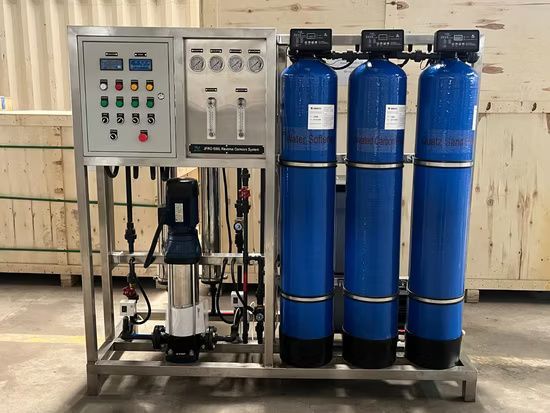
Reverse osmosis uses specialized membranes to separate dissolved substances from water. This technology is commonly used in residential, commercial, and industrial applications.
Ultraviolet (UV) Treatment
UV systems use ultraviolet light to reduce microorganisms by disrupting their ability to reproduce.
Activated Carbon Systems
Activated carbon helps reduce certain impurities that can affect water taste, odor, and appearance.
Water Softening Systems
Water softeners help reduce hardness minerals that may contribute to scaling in pipes and equipment.
Key Components of Water Treatment Systems
Most treatment systems include several important components working together.
Intake and Pre-Treatment
The initial stage collects water and removes larger particles before advanced treatment begins.
Filtration Units
Filters remove suspended solids and help prepare water for additional treatment stages.
Treatment Modules
Depending on the system design, treatment modules may include membranes, UV chambers, carbon filters, or chemical treatment processes.
Storage and Distribution
After treatment, water may be stored temporarily before being distributed to users or facilities.
Applications of Water Treatment Systems
Residential Use
Homes often use treatment systems to improve water quality for drinking, cooking, and household activities.
Industrial Use
Manufacturing facilities frequently require treated water for production processes, cooling systems, and equipment operation.
Agriculture
Agricultural operations may use treated water for irrigation systems and crop management.
Municipal Infrastructure
Cities and communities rely on large-scale treatment plants to provide water for public use.
Emerging Trends in Water Treatment Technology
Advancements in technology continue to improve treatment efficiency and sustainability.
Important trends include:
- Smart monitoring systems
- Automated treatment controls
- Advanced membrane technologies
- Water recycling solutions
- Energy-efficient treatment processes
- Digital water management platforms
These developments help improve operational performance while supporting responsible resource management.
Maintenance and System Performance
Regular maintenance contributes to reliable system operation.
Common maintenance activities include:
- Filter inspection
- Component cleaning
- Performance monitoring
- Equipment testing
- System calibration
- Scheduled servicing
Proper maintenance helps maintain treatment effectiveness and system longevity.
Conclusion
Water treatment systems play a vital role in improving water quality for residential, industrial, agricultural, and municipal applications. Through technologies such as filtration, reverse osmosis, UV treatment, and activated carbon filtration, these systems help manage water resources more effectively. As technology continues to evolve, modern water treatment solutions are supporting cleaner water, improved efficiency, and sustainable resource management across a wide range of industries.