Car Aerodynamics Technology: Systems, Innovations and Insights
Car aerodynamics technology is one of the most important areas of modern vehicle engineering.
It focuses on how air flows around a vehicle and how engineers can reduce air resistance while improving stability, efficiency, and overall driving performance.
As vehicles travel at higher speeds, air creates resistance that can affect energy consumption, handling, and comfort. Modern automotive manufacturers use advanced aerodynamic technologies, intelligent design techniques, and digital engineering tools to improve vehicle efficiency and driving dynamics. Aerodynamic design is especially important for electric vehicles, where reducing drag can help maximize driving range.
Quick Facts Table
| Topic | Purpose | Key Technologies | Main Benefits | Common Applications |
|---|---|---|---|---|
| Car Aerodynamics Technology | Manage airflow around vehicles | Active Aerodynamics, CFD Analysis, Diffusers, Spoilers, Air Curtains | Reduced drag, improved efficiency, better stability | Passenger Cars, Electric Vehicles, Sports Cars, Commercial Vehicles |
What Is Car Aerodynamics Technology?
Car aerodynamics technology refers to the design methods, engineering principles, and vehicle components used to control airflow around a moving vehicle.
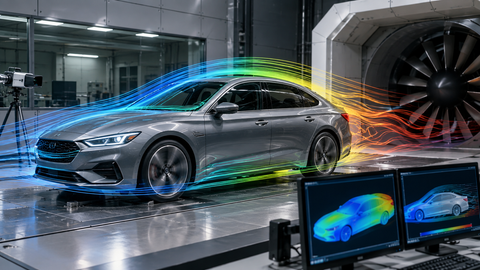
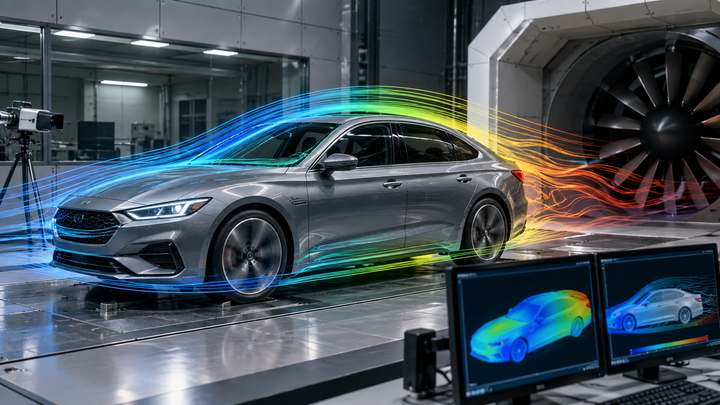
The primary goals are reducing aerodynamic drag, managing lift, improving stability, reducing wind noise, and enhancing energy efficiency. Engineers use wind tunnel testing, Computational Fluid Dynamics (CFD), and aerodynamic devices to optimize vehicle performance.
Why Is Car Aerodynamics Important?
Air resistance increases as vehicle speed rises. At highway speeds, aerodynamic drag becomes a major factor affecting vehicle efficiency and energy consumption. Improving aerodynamic efficiency can help vehicles travel more effectively while maintaining stability and comfort.
Benefits include:
- Improved energy efficiency
- Enhanced vehicle stability
- Better highway performance
- Reduced wind noise
- Improved driving range for electric vehicles
- Enhanced safety during high-speed travel
- Better handling characteristics
- Reduced environmental impact
Car Aerodynamics Facts
- Aerodynamic drag becomes increasingly important as speed increases.
- Modern passenger vehicles commonly achieve drag coefficients around 0.25 to 0.35.
- Electric vehicles place significant emphasis on drag reduction.
- Wind tunnel testing remains a critical part of vehicle development.
- Active aerodynamic technologies continue to expand across the automotive industry.
- Computational Fluid Dynamics is widely used during vehicle design.
Understanding the Concept
Aerodynamics is the study of how air interacts with moving objects. In automotive engineering, the objective is to guide airflow smoothly around a vehicle while minimizing turbulence and resistance.
Engineers often measure aerodynamic performance using the drag coefficient (Cd). A lower drag coefficient generally indicates that a vehicle moves through air more efficiently. Vehicle shape, frontal area, underbody design, and aerodynamic components all influence this value.
Major Car Aerodynamics Technologies
- Active Aerodynamics
- Aerodynamic Spoilers
- Rear Diffusers
- Air Curtains
- Active Grille Shutters
- Underbody Panels
- Active Ride Height Systems
- Computational Fluid Dynamics
- Wind Tunnel Testing
- Vortex Generators
- Digital Twin Modeling
- Adaptive Airflow Management
- Smart Cooling Systems
- Aerodynamic Wheel Designs
Technology Comparison Table
| Technology | Complexity | Efficiency Impact | Common Usage |
|---|---|---|---|
| Active Grille Shutters | Medium | High | Passenger Vehicles |
| Rear Diffusers | Medium | Medium | Sports Cars |
| Active Spoilers | High | High | Performance Vehicles |
| Underbody Panels | Low | Medium | Passenger Vehicles |
| Air Curtains | Medium | Medium | Electric Vehicles |
| Active Ride Height | High | High | Premium Vehicles |
| CFD Analysis | High | High | Vehicle Development |
Key Features and Core Components
Modern aerodynamic systems typically include:
- Streamlined body design
- Active airflow management
- Low-drag vehicle shapes
- Underbody optimization
- Adaptive aerodynamic surfaces
- Airflow sensors
- Digital simulation tools
- Wind tunnel validation
- Cooling airflow management
- Drag reduction technologies
- Stability enhancement systems
Main Types of Aerodynamic Technologies
Passive Aerodynamics
Passive aerodynamics uses fixed vehicle design features that continuously improve airflow. Examples include underbody panels, smooth body surfaces, wheel covers, and diffusers.
Active Aerodynamics
Active aerodynamics uses movable components that automatically adjust according to driving conditions. Examples include active spoilers, active grille shutters, and adjustable ride height systems.
Computational Aerodynamics
Engineers use advanced digital modeling tools such as Computational Fluid Dynamics to analyze airflow and optimize vehicle designs before physical testing.
What Is Active Aerodynamics?
Active aerodynamics refers to movable aerodynamic components that adjust automatically based on speed, braking, steering input, and operating conditions.
These systems help balance drag reduction, stability, and cooling requirements more effectively than fixed aerodynamic components.
What Is a Drag Coefficient?
A drag coefficient is a numerical value used to measure how efficiently a vehicle moves through air. Lower drag coefficients generally indicate reduced air resistance and improved aerodynamic efficiency.
What Is Computational Fluid Dynamics?
Computational Fluid Dynamics (CFD) is a digital engineering technique used to simulate airflow around vehicles. Engineers use CFD models to evaluate design changes before building physical prototypes.
Vehicle Aerodynamics Architecture
A typical aerodynamic development process follows this sequence:
Concept Design → CFD Analysis → Wind Tunnel Testing → Prototype Validation → Performance Optimization → Production Vehicle
Architecture Explanation
Engineers begin with digital vehicle models and perform airflow simulations. Wind tunnel testing then validates aerodynamic performance. Design modifications are made until efficiency, stability, cooling, and performance objectives are achieved.
How Car Aerodynamics Technology Works
- Air flows around a moving vehicle.
- Engineers analyze airflow behavior using simulations.
- Vehicle surfaces are optimized to reduce turbulence.
- Aerodynamic components guide airflow efficiently.
- Active systems adjust based on driving conditions.
- Sensors and control systems monitor performance.
- Optimized airflow improves efficiency and stability.
Benefits and Advantages
- Reduced aerodynamic drag
- Improved energy efficiency
- Better electric vehicle range
- Enhanced vehicle stability
- Improved handling
- Reduced wind noise
- Better cooling performance
- Improved highway efficiency
- Enhanced passenger comfort
- Better environmental sustainability
Industry Applications
Passenger Vehicles
Aerodynamic technologies improve efficiency and comfort during daily driving.
Electric Vehicles
Reducing drag helps maximize battery utilization and driving range.
Sports Cars
Advanced aerodynamic systems improve handling and high-speed stability.
Commercial Vehicles
Aerodynamic optimization helps improve transportation efficiency.
Motorsport Applications
Racing vehicles use sophisticated aerodynamic systems to improve traction and performance.
Autonomous Vehicles
Future autonomous platforms are expected to utilize intelligent airflow optimization systems.
Real-World Examples and Applications
Example: Electric Vehicle Design
Modern electric vehicles often feature smooth body surfaces, covered underbodies, air curtains, and optimized wheel designs to reduce drag and improve efficiency.
Example: Highway Passenger Vehicles
Passenger cars use aerodynamic mirrors, optimized rooflines, and airflow management systems to improve efficiency during highway driving.
Example: Performance Vehicles
Sports cars frequently use active spoilers and adaptive aerodynamic surfaces that adjust according to speed and driving conditions.
Important Factors to Consider
When evaluating aerodynamic technologies, engineers consider:
- Drag coefficient
- Vehicle stability
- Cooling requirements
- Weight implications
- Manufacturing complexity
- Environmental conditions
- Vehicle purpose
- Energy efficiency objectives
- Safety requirements
- Regulatory standards
Common Challenges and Solutions
| Challenge | Impact | Solution |
|---|---|---|
| High Drag | Reduced Efficiency | Streamlined Design |
| Air Turbulence | Increased Resistance | Airflow Optimization |
| Cooling Demands | Performance Reduction | Smart Cooling Systems |
| Vehicle Lift | Reduced Stability | Spoilers and Diffusers |
| Design Constraints | Engineering Complexity | CFD Modeling |
Aerodynamic Best Practices
- Minimize airflow disruptions.
- Optimize underbody design.
- Utilize CFD during development.
- Validate designs through wind tunnel testing.
- Integrate active aerodynamic systems when appropriate.
- Balance cooling requirements with drag reduction.
- Monitor aerodynamic performance continuously.
- Improve airflow around wheels and mirrors.
Future Trends and Industry Insights
Artificial Intelligence in Aerodynamics
AI-powered analytics are helping engineers optimize aerodynamic performance more efficiently.
Digital Twin Technology
Digital twins enable continuous testing and optimization of vehicle designs in virtual environments.
Adaptive Vehicle Surfaces
Future vehicles may use surfaces that automatically change shape to optimize airflow.
Advanced Active Aerodynamics
Active aerodynamic systems are expected to become more common across various vehicle categories.
Aerodynamics for Electric Mobility
Electric vehicles will continue driving innovation in drag reduction and airflow management technologies.
Expert Insights
Car aerodynamics technology has evolved from simple body shaping into a sophisticated engineering discipline involving simulation, automation, sensors, and intelligent control systems. Modern vehicles increasingly rely on advanced aerodynamic strategies to balance efficiency, stability, cooling, and performance.
As automotive technology continues to evolve, aerodynamics will remain a critical factor in vehicle development, particularly for electric mobility, autonomous transportation, and sustainable transportation systems.
Key Takeaways
- Aerodynamics controls airflow around vehicles.
- Drag reduction improves efficiency and performance.
- Active aerodynamic systems adapt to driving conditions.
- CFD helps engineers optimize vehicle designs.
- Electric vehicles rely heavily on aerodynamic efficiency.
- Wind tunnel testing remains an important development tool.
- Smart airflow management improves stability and comfort.
- Future technologies will further enhance aerodynamic performance.
Frequently Asked Questions (FAQ)
What is car aerodynamics technology?
Car aerodynamics technology involves methods and components used to manage airflow around vehicles.
Why is aerodynamics important in vehicles?
It helps improve efficiency, stability, and overall vehicle performance.
What is aerodynamic drag?
Aerodynamic drag is the air resistance that opposes a moving vehicle.
What is a drag coefficient?
A drag coefficient measures how efficiently a vehicle moves through air.
What is active aerodynamics?
Active aerodynamics uses movable components that adjust according to driving conditions.
What is CFD in automotive engineering?
CFD is a digital simulation method used to analyze airflow around vehicles.
What is a rear diffuser?
A diffuser manages airflow beneath a vehicle to improve aerodynamic performance.
How do spoilers affect aerodynamics?
Spoilers help manage airflow and improve vehicle stability.
Why is aerodynamics important for electric vehicles?
Lower drag helps improve driving range and energy efficiency.
What is wind tunnel testing?
Wind tunnel testing evaluates aerodynamic performance under controlled conditions.
What are underbody panels?
Underbody panels smooth airflow beneath a vehicle to reduce drag.
What is an active grille shutter?
An active grille shutter automatically controls airflow through the front grille.
How does aerodynamics improve stability?
It helps reduce unwanted lift and improve vehicle control.
What industries use aerodynamic technology?
Automotive, motorsports, commercial transportation, and electric mobility sectors.
What is the future of car aerodynamics?
Future developments include AI optimization, adaptive surfaces, advanced active aerodynamics, and intelligent airflow management.
Conclusion
Car aerodynamics technology plays a vital role in modern vehicle design by managing airflow, reducing drag, and improving stability. Technologies such as active aerodynamics, Computational Fluid Dynamics, wind tunnel testing, air curtains, diffusers, and adaptive airflow systems help vehicles operate more efficiently while enhancing driving performance.
As electric mobility, intelligent transportation, and advanced engineering technologies continue to evolve, aerodynamic innovation will remain a key factor in improving vehicle efficiency, sustainability, and overall performance.