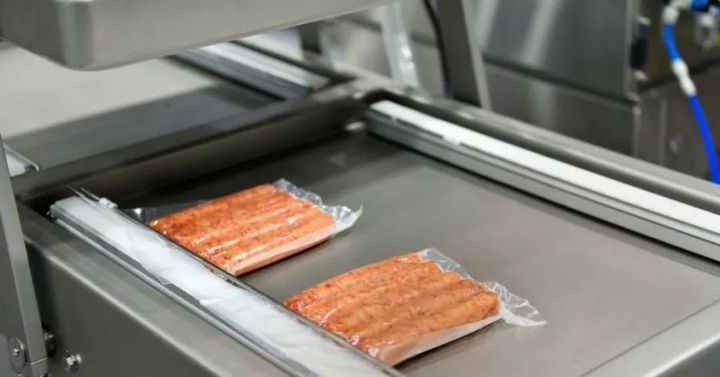
Commercial Vacuum Packagers Guide: How They Work and Key Applications
Commercial vacuum packagers are specialized packaging machines.
They remove air from packages before sealing them securely. This process creates a controlled environment around the packaged material.
These machines support consistent packaging across many professional environments. They are widely associated with food processing, hospitality, manufacturing, and institutional operations.
Understanding their operation helps explain modern vacuum packaging technology. It also highlights important machine types, components, applications, and maintenance practices.
Quick Answer: What Are Commercial Vacuum Packagers?
- Commercial vacuum packagers remove air before sealing a package.
- They commonly use vacuum pumps to extract trapped air.
- Heat-sealing systems create a secure package closure.
- Chamber vacuum packagers process products inside a vacuum chamber.
- External systems remove air directly from specialized packaging.
- Vacuum packaging can reduce oxygen exposure around suitable products.
- Different machines support liquids, solids, powders, and processed foods.
- Regular cleaning and inspection support consistent machine operation.
What Are Commercial Vacuum Packagers?
Commercial vacuum packagers are machines designed for repeated vacuum packaging operations.
They extract air from compatible packaging materials. The machine then seals the package to limit outside air entry.
Commercial machines generally provide greater operating capacity than basic household units. Many models also provide programmable vacuum and sealing controls.
Typical applications include:
- Food processing
- Commercial kitchens
- Restaurants
- Hotels
- Catering facilities
- Meat processing
- Seafood processing
- Institutional kitchens
- Industrial packaging
- Research environments
How Do Commercial Vacuum Packagers Work?
The exact process depends on the machine design. However, most systems follow several basic stages.
How Is the Product Prepared?
The product is placed inside compatible vacuum packaging.
The open section remains accessible for the sealing process.
Correct positioning is important. Wrinkles or contamination near the sealing area can affect seal integrity.
How Is Air Removed From the Package?
A vacuum pump creates lower pressure around or inside the package.
This pressure difference removes air from the packaging environment.
Vacuum settings may be adjusted for different products. Delicate items often require more controlled air removal.
How Is the Package Sealed?
A sealing bar applies controlled heat to the packaging material.
The heated layers bond together and form a closed seal.
Some machines use double sealing systems. These can provide additional sealing consistency for demanding applications.
What Happens After the Vacuum Cycle?
The system returns to normal atmospheric pressure.
The packaged item can then be removed from the machine.
Automated equipment may continue directly into another packaging cycle.
What Are the Main Types of Commercial Vacuum Packagers?
Several machine configurations are available. Each works differently and supports specific packaging environments.
How Do Chamber Vacuum Packagers Work?
Chamber vacuum packagers place the entire package inside a sealed chamber.
The machine removes air from both the chamber and package. The bag is sealed before atmospheric pressure returns.
Chamber machines are commonly used for:
- Meat
- Poultry
- Seafood
- Cheese
- Prepared foods
- Liquid-containing products
They are particularly useful when consistent vacuum levels are important.
How Do External Vacuum Packagers Work?
External vacuum packagers keep most of the package outside the machine.
The open end connects with the vacuum mechanism. Air is removed before the sealing system closes the package.
These machines can suit certain dry and solid products.
What Are Double-Chamber Vacuum Packagers?
Double-chamber machines contain two working chambers.
An operator can prepare one chamber while another completes its cycle. This arrangement supports continuous packaging workflows.
These systems are commonly associated with higher-volume processing environments.
How Do Automatic Vacuum Packaging Systems Work?
Automated systems integrate several packaging stages.
Depending on their configuration, they may manage:
- Product positioning
- Air extraction
- Package sealing
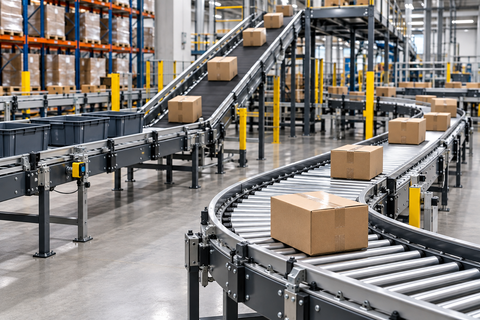
- Conveyor movement
- Cycle controls
Automation supports repeatable processing across larger operations.
What Components Are Found in Commercial Vacuum Packagers?
Several components work together during each packaging cycle.
What Does the Vacuum Pump Do?
The vacuum pump removes air from the packaging environment.
Its performance influences evacuation speed and achievable vacuum levels.
Different machine designs may use different pump technologies.
What Is the Purpose of the Vacuum Chamber?
The vacuum chamber creates a controlled environment for air removal.
It must withstand repeated pressure changes during normal operation.
Chambers are commonly designed with smooth surfaces for easier cleaning.
How Does the Sealing Bar Work?
The sealing bar closes the packaging material after air extraction.
Its main elements can include:
- Heating elements
- Insulation materials
- Pressure mechanisms
- Sealing wires
Correct sealing conditions help create consistent closures.
What Does the Control Panel Manage?
Modern control panels manage packaging parameters.
Depending on the machine, operators may control:
- Vacuum duration
- Vacuum level
- Sealing duration
- Cooling time
- Program settings
Digital controls can improve process repeatability.
Which Packaging Materials Work With Vacuum Packagers?
Packaging compatibility depends on machine type.
Commercial systems commonly use specialized barrier bags and films.
Important packaging characteristics include:
- Air barrier performance
- Seal compatibility
- Puncture resistance
- Temperature tolerance
- Product suitability
- Required flexibility
External vacuum systems may require textured packaging materials. These channels help air move toward the extraction area.
Where Are Commercial Vacuum Packagers Commonly Used?
Commercial vacuum packaging technology supports many professional applications.
How Are They Used in Food Processing?
Food processors use vacuum packaging for many products.
Common examples include:
- Fresh meat
- Processed meat
- Poultry
- Seafood
- Cheese
- Prepared meals
- Vegetables
- Bakery ingredients
Reduced oxygen exposure can support product quality when proper handling continues.
How Are They Used in Commercial Kitchens?
Professional kitchens use vacuum packaging for organization and controlled food preparation.
Applications may include:
- Portion preparation
- Ingredient organization
- Batch processing
- Controlled storage
- Sous vide preparation
Proper temperature control remains essential for food safety.
How Are Vacuum Packagers Used Outside Food Processing?
Vacuum packaging also has non-food applications.
Examples can include:
- Electronic components
- Industrial parts
- Medical materials
- Laboratory items
- Sensitive components
Packaging requirements vary considerably between these applications.
How Does Vacuum Packaging Support Food Preservation?
Vacuum packaging reduces the amount of surrounding air.
This can limit oxygen exposure and reduce certain oxidation processes.
Potential effects include:
- Reduced moisture loss
- Lower exposure to external contaminants
- Reduced oxidation
- Improved package organization
- Better protection against freezer dehydration
Vacuum packaging does not sterilize food. It also does not eliminate every microorganism.
Correct refrigeration, freezing, sanitation, and handling remain essential.
What Is the Difference Between Chamber and External Vacuum Packagers?
The main difference involves how air is removed.
Chamber systems create a vacuum around the entire package. This allows pressure to change more evenly.
External systems extract air directly through the package opening. They usually require packaging designed for airflow during extraction.
Chamber systems often handle liquid-containing products more effectively.
What Factors Affect Vacuum Packaging Performance?
Several variables influence packaging consistency.
Important factors include:
- Vacuum level
- Pump condition
- Packaging material
- Product temperature
- Seal cleanliness
- Sealing duration
- Product moisture
- Package positioning
- Machine maintenance
These variables should match the product and packaging process.
How Are Commercial Vacuum Packagers Maintained?
Regular maintenance supports reliable operation.
Routine practices may include:
- Cleaning the vacuum chamber
- Inspecting sealing elements
- Checking vacuum pump condition
- Examining lid seals
- Cleaning sealing surfaces
- Inspecting electrical connections
- Checking control settings
- Following equipment maintenance schedules
Food-contact areas require particularly careful sanitation.
What Common Issues Can Affect Vacuum Packaging?
Several problems can influence packaging results.
Common issues include:
- Incomplete air removal
- Weak package seals
- Wrinkled sealing areas
- Contaminated bag openings
- Damaged sealing elements
- Worn chamber seals
- Incorrect machine settings
Systematic inspection can help identify the underlying cause.
What Technologies Are Improving Commercial Vacuum Packagers?
Vacuum packaging systems continue to develop.
Modern equipment may incorporate:
- Digital vacuum controls
- Programmable packaging cycles
- Vacuum sensors
- Automated sealing controls
- Touchscreen interfaces
- Data monitoring
- Automated conveyor integration
- Process diagnostics
- Multi-program memory
These features can improve repeatability and process visibility.
How Should Commercial Vacuum Packaging Be Used Safely?
Safe operation requires attention to both machinery and packaged products.
Important practices include:
- Follow equipment operating instructions.
- Keep sealing areas clean.
- Inspect packaging before processing.
- Maintain appropriate food temperatures.
- Follow sanitation procedures.
- Use compatible packaging materials.
- Inspect machine components regularly.
- Follow applicable food safety requirements.
Vacuum packaging should complement established safety practices.
Frequently Asked Questions About Commercial Vacuum Packagers
What does a commercial vacuum packager do?
It removes air from packaging before creating a sealed closure.
Can commercial vacuum packagers handle liquids?
Many chamber systems can package suitable liquid-containing products. Correct operating procedures remain important.
What is a chamber vacuum packager?
It places the complete package inside a vacuum chamber. Air is removed before the package is sealed.
Does vacuum packaging prevent all food spoilage?
No. Vacuum packaging cannot eliminate every spoilage mechanism or microorganism.
Why is packaging material important?
Packaging material affects air removal, barrier performance, durability, and seal quality.
Why does the sealing area need to stay clean?
Food particles, moisture, and wrinkles can interfere with proper sealing.
Key Takeaways
Commercial Vacuum Packagers Summary
- Commercial vacuum packagers remove air before sealing packages.
- Vacuum pumps create the required low-pressure environment.
- Chamber systems process the complete package inside a chamber.
- External systems extract air through the package opening.
- Sealing bars create controlled package closures.
- Vacuum packaging supports many food and industrial applications.
- Packaging material strongly influences system performance.
- Vacuum packaging does not replace proper food safety practices.
- Routine cleaning and maintenance support reliable operation.
- Modern systems increasingly use digital controls and automation.