Industrial Bottling Plants Explained: Process, Equipment and Automation
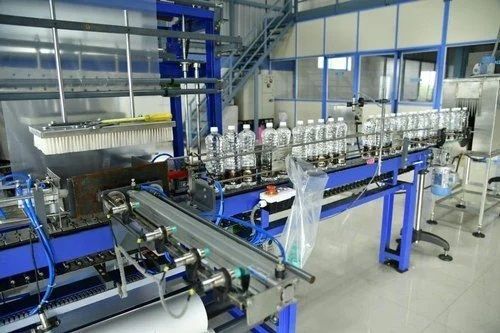
Industrial bottling plants are specialized production facilities. They prepare, fill, seal, label, and package bottled products at scale. These plants combine processing equipment with automated production lines.
Modern industrial bottling plants focus on accuracy, hygiene, consistency, and production efficiency. Different configurations handle beverages, water, oils, chemicals, and other liquid products.
Quick Answer: What Are Industrial Bottling Plants?
- Industrial bottling plants automate the preparation and packaging of liquids.
- Production usually includes cleaning, filling, sealing, labeling, and inspection.
- Bottling machinery moves containers through several coordinated stages.
- Filling technology varies according to liquid properties.
- Sensors and control systems help maintain consistent operation.
- Quality inspection systems identify container and packaging irregularities.
- Modern plants use automation to improve production consistency and traceability.
What Is an Industrial Bottling Plant?
An industrial bottling plant is a facility designed for large-scale liquid packaging.
It combines several machines into an integrated bottling production line. Each machine performs a specific production or packaging function.
Typical applications include:
- Drinking water
- Carbonated beverages
- Juices
- Dairy-based drinks
- Edible oils
- Liquid food products
- Household liquids
- Industrial liquids
- Personal care liquids
Plant configuration depends heavily on the product being processed.
How Does an Industrial Bottling Plant Work?
A bottling plant follows a structured production sequence. Each stage prepares the container for the next operation.
How Are Empty Bottles Prepared?
Empty containers first enter the production line.
Depending on the application, preparation may include:
- Bottle sorting
- Container positioning
- Air rinsing
- Water rinsing
- Cleaning
- Sanitization
Proper preparation reduces contamination risks.
How Are Bottles Filled?
Prepared containers move toward the industrial filling machine.
The filling system dispenses a controlled quantity into each bottle. Sensors help monitor container positioning and filling accuracy.
How Are Bottles Sealed?
Filled bottles immediately enter the sealing stage.
Common closure methods include:
- Screw caps
- Press-on caps
- Crown closures
- Specialized container closures
Correct sealing helps protect product integrity.
How Are Bottles Labeled?
Sealed bottles move toward automated labeling equipment.
Labels can contain:
- Product identification
- Ingredient information
- Production details
- Batch information
- Regulatory information
- Traceability codes
Automated systems help maintain consistent label positioning.
How Are Finished Bottles Packaged?
Completed bottles undergo secondary packaging.
Depending on plant configuration, this may involve:
- Case packing
- Carton packing
- Shrink wrapping
- Tray packing
- Palletizing
These processes prepare containers for storage and distribution.
What Equipment Is Used in Industrial Bottling Plants?
A complete industrial bottling line contains several connected machines.
What Does Bottle Handling Equipment Do?
Bottle handling systems organize and transport containers.
Common equipment includes:
- Bottle unscramblers
- Conveyors
- Accumulation tables
- Guide rails
- Transfer mechanisms
These systems maintain continuous container movement.
What Does Bottle Cleaning Equipment Do?
Cleaning equipment prepares containers before filling.
Systems may use:
- Water
- Filtered air
- Specialized rinsing methods
- Sanitizing processes
The selected method depends on the product and container.
What Does Industrial Filling Equipment Do?
Industrial filling equipment transfers liquids into containers.
Different technologies are available for different liquid properties.
Common filling principles include:
- Gravity filling
- Pressure filling
- Vacuum filling
- Piston filling
- Flow-meter filling
- Volumetric filling
Viscosity, carbonation, and foaming behavior influence equipment selection.
What Does Capping Equipment Do?
Capping machines place and secure closures onto filled bottles.
Modern machines can monitor cap presence and positioning.
What Does Labeling Equipment Do?
Labeling machines apply identification materials to containers.
Common technologies include:
- Pressure-sensitive labeling
- Wraparound labeling
- Sleeve labeling
- Adhesive labeling
Equipment configuration depends on bottle shape and label material.
What Types of Industrial Bottling Plants Are Common?
Bottling plants can be classified by product type and production requirements.
How Do Water Bottling Plants Operate?
Water bottling facilities focus strongly on purification and hygienic handling.
Production may involve:
- Filtration
- Purification
- Bottle preparation
- Filling
- Capping
- Labeling
- Packaging
Water quality monitoring remains important throughout production.
How Do Beverage Bottling Plants Work?
Beverage plants handle products with different formulations.
Production systems may process:
- Carbonated drinks
- Juices
- Energy beverages
- Flavored water
- Functional beverages
Temperature and carbonation require careful process control.
How Do Edible Oil Bottling Plants Work?
Oil bottling lines handle liquids with different flow characteristics.
Filling systems must provide controlled dispensing while minimizing spills.
How Do Industrial Liquid Bottling Plants Operate?
Industrial liquid plants may handle specialized formulations.
Equipment materials must remain compatible with the processed liquid.
How Does Automation Improve Bottling Plants?
Automation connects individual machines into coordinated production systems.
Automated bottling plants use sensors, controllers, drives, and monitoring technologies.
Automation can support:
- Container positioning
- Filling control
- Cap detection
- Label alignment
- Production monitoring
- Fault detection
- Product tracking
- Packaging operations
Automated coordination also reduces unnecessary interruptions.
How Do Conveyor Systems Support Bottling Lines?
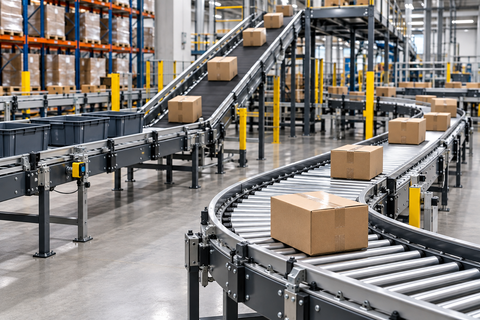
Conveyors form the transportation backbone of bottling plants.
They move containers between production stages.
Common conveyor functions include:
- Bottle transfer
- Accumulation
- Production buffering
- Container spacing
- Direction changes
- Packaging transfer
Proper conveyor synchronization helps maintain stable production flow.
How Is Quality Controlled in Bottling Plants?
Quality control occurs throughout the bottling process.
Inspection systems may check:
- Bottle condition
- Fill level
- Cap presence
- Closure alignment
- Label placement
- Container integrity
- Packaging condition
- Production codes
Advanced systems can automatically identify irregular containers.
How Does Machine Vision Support Bottle Inspection?
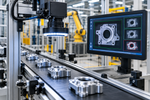
Machine vision systems use cameras and image-processing technologies.
They inspect containers without interrupting production flow.
Machine vision may identify:
- Incorrect fill levels
- Missing caps
- Damaged containers
- Incorrect labels
- Misaligned closures
- Packaging defects
These systems support consistent inspection at high production speeds.
How Is Hygiene Maintained in Industrial Bottling Plants?
Hygiene is especially important for food and beverage applications.
Facilities may use structured cleaning procedures.
Important practices include:
- Equipment sanitation
- Container cleaning
- Controlled production environments
- Hygienic piping
- Surface cleaning
- Contamination monitoring
- Scheduled equipment inspection
Equipment design can also reduce areas where residues accumulate.
What Is Clean-in-Place Technology?
Clean-in-Place (CIP) systems clean internal processing equipment without extensive disassembly.
CIP processes can clean:
- Tanks
- Pipes
- Filling circuits
- Processing vessels
- Product transfer systems
Automated sequences control cleaning stages and operating conditions.
How Are Bottling Plants Monitored?
Modern bottling facilities generate significant operational data.
Monitoring systems can track:
- Production output
- Machine status
- Filling consistency
- Line interruptions
- Equipment conditions
- Inspection results
- Energy consumption
- Batch information
Operators use this information to understand production performance.
What Factors Influence Bottling Plant Efficiency?
Several factors affect production efficiency.
Important considerations include:
- Equipment synchronization
- Container design
- Liquid characteristics
- Filling accuracy
- Conveyor configuration
- Changeover procedures
- Maintenance practices
- Inspection accuracy
- Automation level
Balanced production stages help prevent bottlenecks.
How Is Bottling Equipment Maintained?
Preventive maintenance supports stable operation.
Typical activities include:
- Conveyor inspection
- Filling nozzle cleaning
- Sensor verification
- Lubrication
- Seal inspection
- Electrical checks
- Capping mechanism inspection
- Calibration
- Safety system testing
Maintenance records can help identify recurring equipment issues.
What Technologies Are Shaping Modern Bottling Plants?
Industrial bottling technology continues to develop.
Important trends include:
- Advanced industrial automation
- Machine vision inspection
- Smart sensors
- Robotic packaging
- Automated palletizing
- Digital production monitoring
- Predictive maintenance
- Production data analytics
- Energy monitoring
- Advanced traceability systems
These technologies provide greater visibility into production operations.
How Are Robotics Used in Bottling Plants?
Robotic systems are increasingly used after primary bottling operations.
Typical applications include:
- Case packing
- Container handling
- Palletizing
- Depalletizing
- Packaging transfer
Robotics provide repeatable movement for repetitive handling processes.
What Are the Main Challenges in Industrial Bottling?
Industrial bottling involves several technical challenges.
Common challenges include:
- Product variation
- Container size changes
- Equipment synchronization
- Filling consistency
- Hygiene requirements
- Production interruptions
- Packaging variations
- Equipment wear
- Quality monitoring
Flexible equipment design helps plants manage changing production requirements.
What Is the Future of Industrial Bottling Plants?
Future bottling facilities will likely become more connected and data-driven.
Development areas include:
- Intelligent process monitoring
- Automated quality inspection
- Connected production equipment
- Predictive equipment analysis
- Flexible production lines
- Advanced robotic handling
- Digital traceability
- Resource-efficient processing
Greater connectivity can provide deeper insights into production performance.
Frequently Asked Questions About Industrial Bottling Plants
What does an industrial bottling plant do?
It fills, seals, labels, inspects, and packages bottled products at scale.
What machines are used in bottling plants?
Common machines include fillers, cappers, labelers, conveyors, and inspection systems.
Are industrial bottling plants automated?
Many modern plants use extensive automation. Automation coordinates equipment and monitors production conditions.
What is a bottling production line?
A bottling production line connects machines into a continuous packaging process.
Why are inspection systems important?
Inspection systems identify irregular bottles, closures, labels, and fill levels.
Can one bottling line handle different bottle sizes?
Some production lines support multiple container formats. Equipment adjustments are usually required during changeovers.
Key Takeaways
Industrial Bottling Plants Summary
- Industrial bottling plants automate large-scale liquid packaging.
- Bottling typically involves cleaning, filling, sealing, labeling, and inspection.
- Industrial filling machines use different technologies for different liquids.
- Conveyors connect individual machines into coordinated production lines.
- Automation improves process consistency and operational visibility.
- Machine vision supports automated container inspection.
- CIP technology supports hygienic equipment cleaning.
- Robotics can automate packing and palletizing processes.
- Preventive maintenance supports reliable equipment operation.
- Connected monitoring is shaping future bottling plant technology.