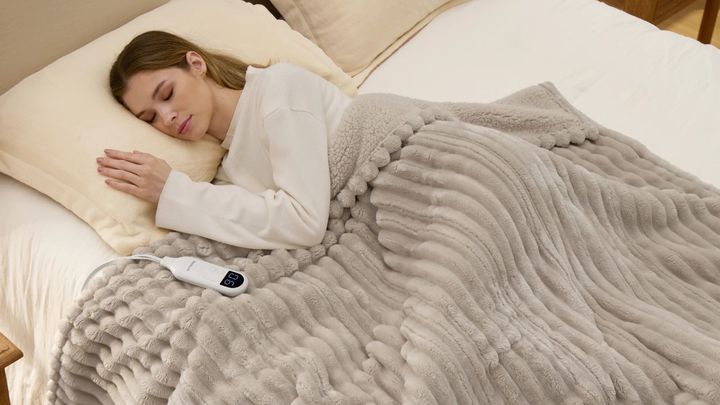
Electric Heating Blankets Overview: Features & Applications
Electric heating blankets are specialized thermal products designed to provide controlled warmth through integrated heating elements.
They are widely used in homes, healthcare environments, industrial settings, laboratories, hospitality facilities, and outdoor applications where consistent heat distribution is required.
Modern electric heated blankets incorporate temperature control systems, energy-efficient heating technology, safety sensors, and advanced fabric materials. Understanding their design, applications, safety features, and operating principles helps users evaluate different heating blanket solutions for various environments.
Electric Heating Blankets at a Glance
Electric heating blankets are fabric-based heating systems that use insulated electrical elements to generate controlled warmth. They typically include adjustable temperature controls, safety mechanisms, insulated wiring, and heat-distribution layers. Common applications include personal comfort, therapeutic heat support, industrial temperature maintenance, laboratory environments, and specialized equipment protection.
Key Industry Facts
- Electric heating technology has been used in household comfort products for decades.
- Modern heating blankets often include automatic shutoff systems for added safety.
- Advanced models use multi-zone temperature control technology.
- Industrial heating blankets can assist with temperature-sensitive materials and equipment.
- Energy-efficient heating elements help provide consistent warmth with controlled power consumption.
- Smart temperature monitoring systems are increasingly being integrated into heating products.
How Electric Heating Blankets Work
Electric heating blankets operate by converting electrical energy into heat through insulated conductive elements embedded within the blanket.
The process generally involves:
- Electrical power enters the control unit.
- Heating elements receive controlled electrical current.
- Resistance within the elements generates heat.
- Thermal layers distribute warmth evenly.
- Temperature sensors monitor operating conditions.
- Control systems adjust heat output based on selected settings.
This design helps maintain consistent and controlled heating performance.
Main Types of Electric Heating Blankets
Personal Heating Blankets
These blankets are commonly used for individual warmth and comfort in residential settings.
Typical features include:
- Adjustable temperature settings
- Soft fabric construction
- Automatic shutoff functions
- Lightweight designs
Heated Throw Blankets
Heated throws are smaller versions designed for flexible use in living spaces.
They are often used while:
- Reading
- Watching television
- Working from home
- Relaxing indoors
Therapeutic Heating Blankets
Therapeutic models provide controlled warmth for comfort and relaxation purposes.
Many include:
- Multiple heat settings
- Even heat distribution
- Soft-touch materials
- Enhanced temperature controls
Industrial Heating Blankets
Industrial electric heating blankets are designed for equipment heating, process temperature maintenance, and specialized industrial applications.
Common uses include:
- Pipe heating
- Tank heating
- Material temperature maintenance
- Equipment protection
Laboratory Heating Blankets
Laboratory heating blankets support controlled heating of containers and equipment used in research and testing environments.
Comparison of Heating Blanket Types
| Type | Primary Use | Key Feature |
|---|---|---|
| Personal Blanket | Home comfort | Adjustable warmth |
| Heated Throw | Portable heating | Compact design |
| Therapeutic Blanket | Controlled comfort | Multiple heat settings |
| Industrial Blanket | Process heating | High durability |
| Laboratory Blanket | Scientific applications | Precise temperature control |
Core Components
Heating Elements
Heating elements generate thermal energy through electrical resistance.
Temperature Controller
The controller allows users to select and adjust heat levels.
Safety Sensors
Sensors help monitor temperature conditions and support safe operation.
Insulated Wiring
Insulated wiring distributes electrical power throughout the blanket while protecting internal components.
Fabric Layers
Multiple fabric layers contribute to comfort, durability, insulation, and heat distribution.
Applications Across Different Industries
Residential Use
Electric heating blankets are widely used in homes during colder conditions.
Healthcare Environments
Controlled heating products may be used in patient comfort applications where appropriate.
Hospitality Industry
Hotels and lodging facilities may use heated blankets to enhance guest comfort during colder seasons.
Industrial Facilities
Industrial heating blankets assist with maintaining process temperatures and protecting equipment.
Research Laboratories
Laboratory heating systems support controlled temperature applications for testing and analysis.
Selection Factors
Choosing an electric heating blanket involves evaluating several important factors.
Blanket Size
The size should correspond to the intended application and coverage area.
Temperature Settings
Multiple heat settings provide greater control and flexibility.
Safety Features
Look for:
- Automatic shutoff
- Overheat protection
- Temperature monitoring
- Certified electrical components
Fabric Material
Material selection influences comfort, durability, and thermal performance.
Energy Efficiency
Efficient heating systems help provide consistent warmth while managing energy usage.
Maintenance Requirements
Ease of cleaning and maintenance can affect long-term usability.
Benefits of Electric Heating Blankets
Electric heating blankets offer several practical advantages.
- Controlled and adjustable warmth
- Consistent heat distribution
- Multiple temperature settings
- Energy-efficient heating performance
- Suitable for various environments
- Enhanced comfort during colder conditions
- Advanced safety monitoring features
- Flexible residential and industrial applications
- Improved temperature control
- Portable heating solutions
- Available in various sizes and configurations
- Convenient operation
Challenges and Limitations
Despite their advantages, electric heating blankets have certain considerations.
Electrical Dependence
They require access to a suitable power source.
Component Wear
Heating elements and controllers may experience wear over time.
Cleaning Restrictions
Some models require specific cleaning procedures.
Temperature Limitations
Different products have defined operating ranges and intended uses.
Proper Usage Requirements
Following manufacturer instructions is important for safe operation.
Industry Standards and Safety Considerations
Modern electric heating blankets are designed with multiple safety measures.
Common safety features include:
- Automatic shutoff technology
- Overheat protection systems
- Thermal sensors
- Insulated electrical components
- Temperature monitoring controls
- Safety-certified wiring systems
Users should regularly inspect blankets for signs of wear, damage, or malfunction.
Latest Technology Trends
Smart Temperature Control
Advanced models use digital controls for precise heat adjustment.
Multi-Zone Heating
Different blanket sections can operate at independent temperatures.
Energy-Efficient Heating Systems
Modern designs focus on optimizing thermal performance and power management.
Smart Home Integration
Some heating products can connect with smart home ecosystems and digital control platforms.
Advanced Materials
New fabric technologies improve comfort, durability, and heat retention.
Expert Insights
As heating technology evolves, manufacturers continue to improve safety systems, thermal efficiency, and user controls. Smart monitoring features, digital temperature management, and advanced heating materials are making electric heating blankets more adaptable for residential, healthcare, laboratory, and industrial applications.
Key Takeaways
- Electric heating blankets provide controlled warmth through integrated heating elements.
- Modern systems include advanced safety and temperature control features.
- Multiple blanket types serve residential, therapeutic, industrial, and laboratory needs.
- Proper blanket selection depends on size, safety features, materials, and intended use.
- Automatic shutoff systems help improve operational safety.
- Smart technology is expanding temperature control capabilities.
- Regular inspection and maintenance support long-term performance.
Frequently Asked Questions
What are electric heating blankets?
Electric heating blankets are fabric-based products that generate controlled warmth using insulated electrical heating elements.
How do electric heating blankets work?
They convert electrical energy into heat through resistance-based heating elements embedded within the blanket.
Are electric heating blankets adjustable?
Most modern models include multiple temperature settings and adjustable heat controls.
What safety features do electric heating blankets include?
Common features include automatic shutoff systems, overheat protection, thermal sensors, and insulated wiring.
Where are electric heating blankets used?
They are used in homes, healthcare facilities, hospitality environments, laboratories, and industrial settings.
What is an industrial heating blanket?
Industrial heating blankets are specialized systems used for equipment heating, process temperature maintenance, and thermal protection applications.
How should electric heating blankets be maintained?
Users should follow manufacturer cleaning instructions, inspect components regularly, and store blankets properly when not in use.
Can heating blankets support energy-efficient heating?
Modern designs often incorporate energy-efficient heating elements and temperature management systems.
Conclusion
Electric heating blankets provide a practical solution for controlled warmth across residential, healthcare, laboratory, hospitality, and industrial environments. Their combination of adjustable temperature settings, safety features, insulated heating technology, and energy-efficient operation makes them suitable for a wide range of applications.
As smart controls, advanced materials, and enhanced safety technologies continue to develop, electric heating blankets are becoming more adaptable and efficient. Understanding their types, components, applications, benefits, and safety considerations helps users make informed decisions when evaluating heating blanket solutions.