Electrical Connectors Explained: Types, Functions, and Performance Characteristics
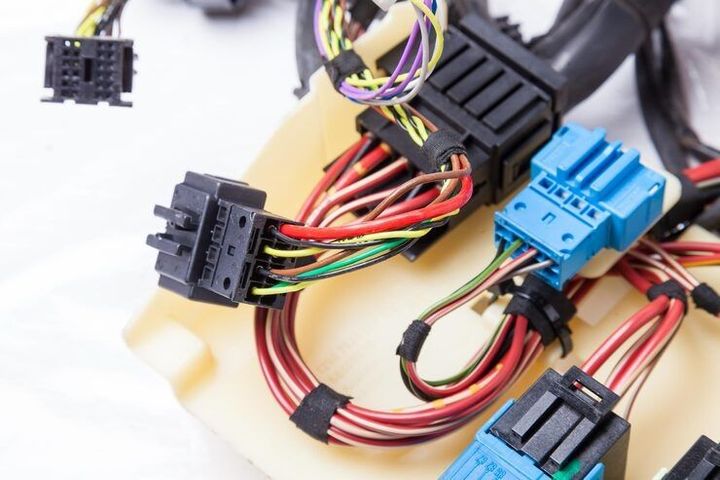
Electrical connectors are components used to join electrical circuits together. They allow electricity and signals to pass between devices, wires, and systems without permanent connections. These connectors make it possible to assemble, maintain, and modify electrical systems efficiently.
The development of electrical connectors followed the growth of electrical engineering and electronics. As electrical devices became more common in homes, transportation systems, and industrial environments, reliable connection methods became necessary. Connectors provide a practical way to link cables, circuit boards, and equipment while allowing components to be separated when needed.
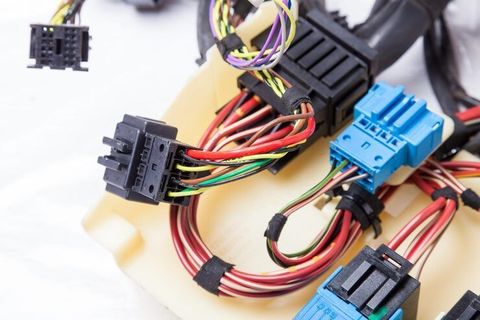
Today, electrical connectors are found in everyday technology such as household appliances, computers, vehicles, and communication systems. They support both power transmission and data communication, helping devices function as integrated systems.
Importance
Electrical connectors play an essential role in modern electrical infrastructure. Without them, maintaining or replacing electrical components would be far more complicated. Connectors simplify assembly and allow equipment to be repaired or upgraded more easily.
Several industries depend on reliable connectors to ensure safe and stable electrical performance. Transportation systems use connectors in vehicle wiring systems, while communication equipment uses them to transmit data signals between devices.
For everyday users, electrical connectors appear in common items such as chargers, extension cords, and electronic devices. Their design influences how safely electricity flows and how easily equipment can be connected or disconnected.
Some key reasons electrical connectors matter include:
- System flexibility: Connectors allow components to be connected and separated without permanent wiring.
- Maintenance support: Equipment repairs often require connectors to detach components safely.
- Safety management: Proper connectors help prevent loose wiring and unstable electrical flow.
- Compatibility across devices: Standard connector types allow devices from different manufacturers to work together.
Because electrical systems are becoming more complex, connectors help manage connections in a structured and organized way.
Types of Electrical Connectors
Electrical connectors come in different forms depending on their purpose and environment. Each type is designed to handle specific electrical loads, connection styles, and installation conditions.
Wire-to-Wire Connectors
Wire-to-wire connectors link two separate electrical wires together. These connectors are common in household wiring and automotive systems.
Typical examples include:
- Twist-on connectors: Often used in building wiring to join multiple conductors.
- Crimp connectors: Attach wires using pressure to create a secure mechanical bond.
- Butt connectors: Join two wires end-to-end within an insulated sleeve.
These connectors are widely used where cables must be joined during installation or repair.
Wire-to-Board Connectors
Wire-to-board connectors connect cables to printed circuit boards (PCBs). They are commonly used in electronic devices such as computers, appliances, and control systems.
These connectors allow signals and electrical power to pass between internal components and external cables.
Board-to-Board Connectors
Board-to-board connectors link two printed circuit boards inside electronic devices. They support communication between different modules in complex systems.
Examples include:
- Stacking connectors used in compact electronics.
- Edge connectors found in expansion cards.
- Mezzanine connectors used in high-density electronic assemblies.
Circular Connectors
Circular connectors have a round shape and are often used in industrial equipment and transportation systems. Their design helps protect electrical contacts and ensures reliable connections in demanding environments.
Applications include:
- Industrial automation equipment
- Aerospace systems
- Communication hardware
USB and Data Connectors
Data connectors allow electronic devices to exchange information. USB connectors are widely used in computers, mobile devices, and external storage systems.
These connectors support both electrical power and digital data transfer, which makes them versatile for many types of electronics.
Functions of Electrical Connectors
Electrical connectors perform several important functions within electrical systems. They manage how electricity and signals move between components.
Electrical Power Transmission
One primary function is transferring electrical power from a source to a device. Connectors allow power cables to attach to equipment without permanent wiring.
This function appears in many everyday devices, including power adapters, lighting systems, and electronic appliances.
Signal Transmission
Many connectors transmit electronic signals rather than large amounts of power. Signal connectors carry data between circuits, sensors, and processors.
Examples include connectors used in communication networks and computer hardware.
Mechanical Support
Connectors also provide mechanical stability between connected components. Properly designed connectors keep wires and circuit boards securely aligned.
Mechanical features such as locking clips, threaded shells, or latching mechanisms help maintain stable connections during movement or vibration.
Environmental Protection
Some connectors include protective features that reduce exposure to dust, moisture, or temperature changes. This protection helps maintain reliable electrical contact in outdoor or industrial environments.
Performance Characteristics
The performance of electrical connectors depends on several technical characteristics. These characteristics determine how effectively connectors operate in specific environments.
Electrical Rating
Electrical rating describes the amount of voltage and current a connector can handle safely. Higher ratings are required for systems that transmit larger amounts of electrical power.
Contact Resistance
Contact resistance refers to the resistance created where two electrical contacts meet. Lower resistance helps maintain efficient electrical flow and reduces energy loss.
Durability and Mating Cycles
Mating cycles measure how many times a connector can be connected and disconnected before wear affects its performance. Connectors used in frequently serviced equipment often have higher durability ratings.
Environmental Tolerance
Environmental tolerance indicates how well a connector functions in conditions such as humidity, temperature variation, and mechanical vibration.
The following table summarizes several important performance characteristics.
| Characteristic | Description | Example Impact |
|---|---|---|
| Voltage Rating | Maximum electrical voltage supported | Determines safe operation in power systems |
| Current Capacity | Maximum current flow through connector | Important for power cables and equipment |
| Contact Resistance | Electrical resistance at contact points | Affects signal clarity and efficiency |
| Mating Cycles | Number of connect/disconnect operations | Indicates durability over time |
| Environmental Protection | Resistance to moisture, dust, vibration | Important for outdoor and industrial systems |
Understanding these characteristics helps engineers choose connectors suitable for different applications.
Recent Updates
Between 2024 and 2026, several trends have influenced the design and use of electrical connectors. The rapid growth of electric vehicles, renewable energy systems, and high-speed communication networks has increased the demand for reliable electrical connection technologies.
One noticeable trend involves connectors designed for higher data transmission speeds. As computing systems process larger volumes of information, connectors supporting advanced signal integrity have become increasingly important.
Another development is the use of compact connector designs for smaller electronic devices. Consumer electronics continue to become thinner and more portable, which encourages the use of miniature connectors that maintain reliable electrical performance within limited space.
Industrial automation has also influenced connector design. Equipment used in automated manufacturing environments often requires connectors that tolerate vibration, temperature changes, and continuous operation.
Laws or Policies
Electrical connectors and wiring systems are influenced by electrical safety standards and regulatory guidelines. These regulations aim to reduce electrical hazards and ensure safe operation of electrical equipment.
Several international and national standards guide connector design and usage. Organizations such as the International Electrotechnical Commission develop technical standards for electrical and electronic technologies.
In many regions, electrical installations must follow national wiring codes. For example, the National Electrical Code establishes guidelines for safe electrical installations in buildings.
Testing and certification standards may also involve organizations such as Underwriters Laboratories, which evaluates electrical components for safety compliance.
These regulatory frameworks help ensure that connectors meet safety expectations in residential, commercial, and industrial environments.
Tools and Resources
Various tools and resources help engineers, technicians, and learners understand electrical connectors and related technologies.
Examples include:
- Connector selection guides: Technical documents that explain compatibility between connector types and electrical systems.
- Electrical design software: Programs used to design circuit layouts and select connectors appropriate for different devices.
- Testing instruments: Equipment used to measure electrical resistance, voltage, and signal integrity in connectors.
- Engineering reference databases: Online platforms containing standards, connector specifications, and technical documentation.
Educational institutions and engineering organizations also provide learning materials explaining electrical connectors and wiring practices.
These resources support better understanding of connector selection, installation, and performance evaluation.
FAQs
What are electrical connectors used for?
Electrical connectors join electrical circuits so electricity or signals can pass between components. They allow wires, cables, and electronic devices to connect without permanent soldering or wiring.
What are the common types of electrical connectors?
Common types include wire-to-wire connectors, wire-to-board connectors, board-to-board connectors, circular connectors, and data connectors such as USB connectors. Each type supports different electrical and mechanical requirements.
How do electrical connectors affect performance characteristics?
Performance characteristics such as voltage rating, contact resistance, and environmental tolerance determine how reliably a connector transfers power or signals. These factors influence safety and long-term reliability.
Why are electrical connectors important in electronics?
Electrical connectors allow electronic components to communicate and receive power. They make devices easier to assemble, repair, and upgrade.
How are electrical connectors tested for safety?
Electrical connectors are evaluated using testing procedures defined by technical standards organizations. Testing may include electrical load testing, durability evaluation, and environmental exposure assessment.
Conclusion
Electrical connectors are fundamental components that allow electrical systems and electronic devices to function efficiently. They enable safe connections between wires, circuits, and equipment across many industries. Different connector types support specific applications, from household electronics to industrial systems. Performance characteristics such as electrical rating, durability, and environmental tolerance influence how connectors operate in real-world environments. Understanding these features helps explain the role connectors play in modern electrical infrastructure.