Engine block boring machines are precision machining systems used to enlarge, repair, or refine the cylinder bores inside an internal combustion engine block. The cylinder bore is the cylindrical cavity in which the piston moves during engine operation. Over time or due to manufacturing needs, these bores require extremely precise machining to maintain engine efficiency and mechanical balance.
The existence of engine block boring machines is tied directly to the need for high-precision engine performance. During engine production or refurbishment, the cylinder bores must meet strict dimensional and surface finish requirements. Even a small deviation can cause problems such as poor piston sealing, increased friction, vibration, and reduced engine life.
Early engines relied on manual machining methods, but as automotive technology evolved, specialized boring machines were developed to achieve consistent cylinder geometry. These machines allow technicians and manufacturers to restore worn cylinders or create new ones with high accuracy.
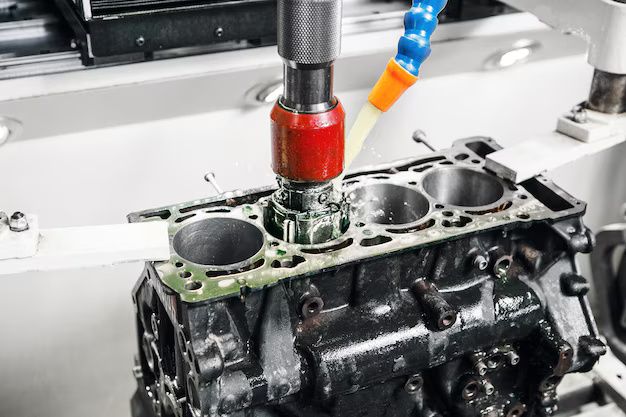
Importance: Why Engine Block Boring Machines Matter Today
Engine block boring machines play a vital role in automotive engineering and engine maintenance. Their importance has grown with the increasing complexity of modern engines and stricter performance standards.
Key reasons this topic matters today:
-
Precision engine performance: Accurate cylinder geometry ensures proper piston movement and compression.
-
Engine refurbishment: Worn cylinders can be restored rather than replacing the entire engine block.
-
Fuel efficiency support: Correct bore dimensions help maintain efficient combustion.
-
Reduced mechanical wear: Smooth cylinder surfaces reduce friction and extend engine lifespan.
-
Industrial reliability: Consistent machining supports large-scale engine manufacturing.
These machines affect automotive engineers, engine rebuild specialists, manufacturing technicians, motorsport engineers, and maintenance workshops. They help solve problems related to cylinder wear, surface irregularities, misalignment, and poor compression performance.
Industries that rely heavily on engine block boring include automotive manufacturing, heavy equipment maintenance, marine engine repair, and performance engine development.
Recent Updates: Industry Trends and Developments (2024–2025)
Over the past year, engine block boring technology has advanced through improvements in digital measurement and automation.
| Year | Development or Trend | Impact on Engine Machining |
|---|---|---|
| 2024 | Digital bore measurement integration | Improved accuracy verification during machining |
| 2024 | CNC-controlled boring machines | Higher repeatability in production environments |
| 2025 | Advanced cutting tool coatings | Increased tool life and improved surface finish |
| 2025 | Automated alignment systems | Reduced setup errors and faster machining cycles |
Recent developments also include improved coolant delivery systems, vibration-reducing machine frames, and integrated inspection technologies that measure bore diameter and roundness during the machining process.
Laws and Policies Affecting Engine Machining Equipment
Engine block boring machines are influenced by industrial equipment safety rules and automotive manufacturing standards.
Common regulatory frameworks include:
-
Workplace safety regulations: Require proper guarding, emergency stops, and operator training.
-
Automotive manufacturing standards: Define acceptable machining tolerances and quality control practices.
-
Environmental regulations: Address coolant handling, metal waste disposal, and emissions from machining processes.
-
Mechanical equipment safety standards: Ensure machines operate safely and reliably in workshops and production facilities.
In many countries, automotive manufacturing and repair facilities must follow documented machining procedures and quality inspection processes to maintain safety and performance standards.
Tools and Resources for Understanding Engine Block Boring
Learning about engine block boring machines involves understanding machining principles, measurement tools, and technical documentation.
Helpful tools and reference resources include:
-
Cylinder bore measurement gauges
-
Dial bore gauges for internal diameter verification
-
Surface finish comparison charts
-
Machining tolerance reference tables
-
Engine repair manuals and technical guides
Educational and knowledge resources:
-
Automotive engineering textbooks
-
Mechanical machining handbooks
-
Technical training manuals for engine rebuilding
-
Industrial machining journals
-
Engineering simulation tools for machining processes
These resources help technicians and students understand how cylinder machining affects engine performance.
Working Process of Engine Block Boring Machines
The machining process involves several precise steps to ensure cylinder accuracy.
Typical working process:
-
Engine block setup: The engine block is secured and aligned on the machine platform.
-
Center alignment: The boring tool is aligned with the cylinder axis.
-
Initial boring pass: Material is removed gradually to enlarge or correct the cylinder bore.
-
Precision finishing: Final passes achieve exact diameter and surface smoothness.
-
Inspection: Bore diameter, roundness, and surface finish are checked using measurement tools.
The goal is to create a perfectly cylindrical bore that allows piston rings to seal effectively and operate smoothly.
Frequently Asked Questions
What is the purpose of an engine block boring machine?
It enlarges or restores cylinder bores in engine blocks to precise dimensions for proper piston operation.
Why is cylinder accuracy important?
Accurate cylinders ensure proper compression, efficient combustion, and reduced engine wear.
Can engine blocks be reused after boring?
Yes. Boring allows worn cylinders to be restored and fitted with appropriate piston sizes.
Which industries use engine block boring machines?
Automotive manufacturing, engine rebuilding workshops, marine engine repair, and heavy machinery maintenance.
How is machining accuracy verified?
Technicians use bore gauges, measurement instruments, and inspection procedures to confirm dimensions.
Conclusion
Engine block boring machines are essential tools in automotive manufacturing and engine repair. By enabling precise machining of cylinder bores, these machines ensure engines operate efficiently, reliably, and with optimal performance.
As automotive technology advances, engine machining equipment continues to evolve with better automation, improved measurement systems, and stronger quality control practices. Understanding how these machines work provides valuable insight into the engineering processes that keep modern engines performing at their best.