Cloud computing is a model for delivering computing resources—such as processing power, storage, and networking—through remote infrastructure rather than on-site systems. Instead of relying entirely on locally maintained hardware, organizations access shared resources that can be adjusted as needs change.
This concept exists because traditional IT environments often required large upfront infrastructure planning and long deployment timelines. As digital operations expanded, businesses and institutions needed more flexible ways to handle fluctuating workloads, global access, and data growth. Cloud computing emerged to provide elastic capacity, centralized management, and location-independent access.
At its core, cloud computing separates physical infrastructure management from everyday computing use, allowing organizations to focus on applications, data, and services rather than hardware maintenance.
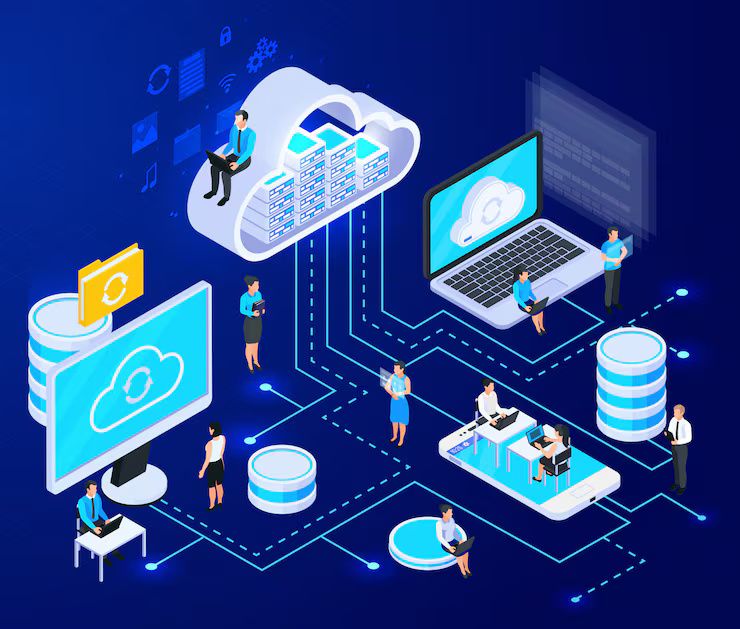
Importance: Why Cloud Computing Matters Today
Cloud computing is a foundation of modern digital systems, supporting everything from enterprise operations to public services and research environments.
Why this topic matters today:
-
Scalability: Resources can expand or contract based on demand
-
Operational flexibility: Supports remote access and distributed teams
-
Reliability: Built-in redundancy improves availability
-
Performance optimization: Workloads can be balanced across multiple locations
-
Innovation enablement: Faster experimentation and deployment of digital initiatives
Cloud computing affects IT professionals, business leaders, educators, researchers, and public institutions. It helps solve challenges such as unpredictable demand, infrastructure underutilization, disaster recovery complexity, and global service delivery.
Recent Updates: Trends and Developments (2024–2025)
Over the past year, cloud computing has continued to evolve in response to performance, sustainability, and security expectations.
| Year | Development or Trend | IT Impact |
|---|---|---|
| 2024 | Increased adoption of hybrid cloud models | Greater flexibility between local and remote systems |
| 2024 | Energy-efficient data center designs | Reduced environmental impact |
| 2025 | Expanded edge computing integration | Faster processing closer to data sources |
| 2025 | Enhanced identity and access controls | Improved protection of sensitive systems |
Another notable trend is the growing focus on workload optimization, where organizations analyze usage patterns to improve efficiency and reduce unnecessary resource consumption. There is also increased attention on resilience planning, including multi-region deployments and automated recovery processes.
Laws, Policies, and Regulatory Influence
Cloud computing operates within legal and regulatory frameworks that address data protection, digital sovereignty, and operational accountability.
Key regulatory considerations include:
-
Data protection laws:
Regulations such as GDPR in Europe and similar frameworks worldwide govern how personal and sensitive data is stored and processed. -
Industry compliance standards:
Sectors like finance, healthcare, and public services often follow additional rules for data handling and auditability. -
National data residency policies:
Some countries require certain data types to remain within national borders. -
Cybersecurity guidelines:
Government agencies issue best-practice frameworks for securing digital infrastructure.
These policies influence how cloud environments are designed, monitored, and documented, emphasizing transparency and responsible data management.
Scalability: A Core Principle of Cloud Computing
Scalability refers to the ability of cloud environments to adjust capacity in response to changing demand.
How scalability works in practice:
-
Resources can be increased during peak usage periods
-
Capacity can be reduced during low-demand phases
-
Systems maintain performance without manual reconfiguration
| Scalability Type | Description | Typical Use Case |
|---|---|---|
| Vertical scaling | Increasing capacity of existing resources | Data-intensive processing |
| Horizontal scaling | Adding or removing resource units | Web platforms with variable traffic |
This flexibility supports efficient resource use and helps organizations adapt quickly to changing conditions.
Security Principles in Cloud Computing
Security is a shared responsibility between infrastructure providers and users. Modern cloud environments are built around layered protection models.
Core security principles include:
-
Identity and access management: Controls who can access systems and data
-
Encryption: Protects data during storage and transmission
-
Network segmentation: Limits exposure between system components
-
Continuous monitoring: Detects unusual activity early
-
Backup and recovery planning: Ensures data availability after disruptions
Security design focuses on prevention, detection, and response, recognizing that threats evolve continuously.
Tools and Learning Resources for Cloud Understanding
Understanding cloud computing is supported by a range of educational and reference materials.
Helpful learning resources include:
-
IT architecture textbooks and digital infrastructure guides
-
Industry white papers on scalable system design
-
Government cybersecurity frameworks
-
University courses on distributed systems
-
Professional IT publications and research journals
Reference tools commonly used:
-
Capacity planning worksheets
-
Security risk assessment templates
-
System availability calculation models
-
Data classification guidelines
These resources help learners and professionals understand both conceptual and practical aspects of cloud environments.
Operational Insights: How Organizations Use Cloud Computing
Organizations apply cloud computing across many operational areas.
Common use patterns include:
-
Hosting digital platforms and internal systems
-
Data storage and analytics
-
Collaboration and communication environments
-
Disaster recovery and business continuity planning
-
Research and simulation workloads
Operational success depends on aligning technical design with organizational goals, regulatory requirements, and risk tolerance.
Frequently Asked Questions
What is the main advantage of cloud computing?
Its ability to provide scalable and flexible computing resources without requiring fixed on-site infrastructure.
Is cloud computing suitable for all organizations?
It suits many use cases, but adoption depends on regulatory needs, workload type, and risk considerations.
How is data protected in cloud environments?
Through encryption, access controls, monitoring, and compliance with data protection regulations.
What is hybrid cloud computing?
A model that combines local infrastructure with cloud resources for greater flexibility and control.
Does cloud computing reduce IT complexity?
It simplifies infrastructure management but requires careful planning and governance.
Conclusion
Cloud computing has become a cornerstone of modern IT strategy, enabling scalable operations, resilient systems, and global accessibility. By separating infrastructure management from everyday computing needs, it allows organizations to adapt quickly to change while maintaining performance and security.
Understanding scalability mechanisms, security principles, regulatory influences, and operational practices helps decision-makers and learners approach cloud computing with clarity. As digital transformation continues, cloud computing will remain a critical platform for innovation, efficiency, and responsible information management.