Exploring Cloud Computing: Scalability, Security Principles, and Modern IT Insights
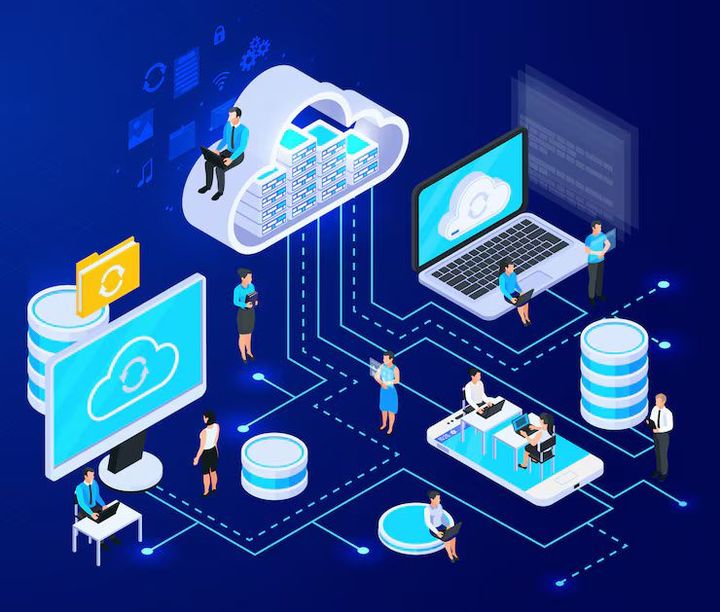
Cloud computing refers to the use of remote computing resources delivered through the internet instead of relying solely on local computers or on-site hardware. Instead of storing files, running applications, or processing data on a personal device or internal company system, information and computing tasks can be handled through large networks of remote data centers. This model allows individuals, organizations, and institutions to access computing power from many locations using an internet connection.
The concept emerged from earlier developments in distributed computing and virtualization. Virtualization made it possible for multiple digital environments to run on a single physical machine. As internet infrastructure improved, technology companies began operating large data centers capable of supporting millions of users simultaneously. Platforms such as Amazon Web Services, Microsoft Azure, and Google Cloud Platform illustrate how organizations manage large networks of computing resources.
A central idea behind cloud computing is scalability. Scalability means that computing resources such as storage space, processing capacity, or networking ability can expand or reduce depending on demand. For example, an online learning platform may require additional processing power during examination periods but much less activity at other times.
Another important concept is remote accessibility. Data and software hosted in distributed data centers can be accessed from many devices, including laptops, smartphones, and tablets. Because of this flexibility, cloud computing has become a major part of modern information technology systems used by schools, hospitals, research institutions, and businesses.
Cloud environments also rely on strong security principles. Since information travels across networks and is stored in remote systems, protection mechanisms such as encryption, identity verification, and monitoring systems are essential for maintaining privacy and reliability.
Importance
Cloud computing plays an important role in modern digital infrastructure. Many everyday online activities depend on distributed computing systems located in large data centers around the world. Email platforms, video streaming platforms, online learning environments, and collaborative tools frequently rely on cloud-based computing environments.
One reason the technology matters is accessibility. Cloud computing allows people to reach digital tools and information from different locations without relying on a single computer or office network. For students, researchers, and remote workers, this flexibility supports collaboration across regions and time zones.
Another important factor is scalability. Organizations often experience changing levels of digital activity. During periods of heavy usage, additional computing resources can support increased workloads. When activity decreases, fewer resources may be needed. This ability to adjust computing capacity helps maintain system performance during sudden spikes in demand.
Cloud computing also supports innovation in fields such as artificial intelligence, data analysis, and scientific research. Large datasets require significant processing capability, and distributed computing environments can support complex calculations that would be difficult to perform on a single machine.
Security considerations also make cloud computing important. Cybersecurity threats, data breaches, and system disruptions can affect individuals and organizations. Modern cloud environments integrate security principles such as identity management, encryption, network monitoring, and multi-layer protection frameworks.
For example, a cloud environment may include multiple security layers:
- Identity verification: ensuring that only authorized users can access certain data.
- Encryption techniques: converting information into coded formats during transmission.
- Access control systems: defining which individuals or departments can view specific files.
- Monitoring systems: detecting unusual activity within computing networks.
These protections help reduce risks associated with unauthorized access or data manipulation.
Recent Updates
From 2024 to 2026, cloud computing developments have continued to focus on security, sustainability, and integration with emerging technologies.
One noticeable trend is the integration of artificial intelligence into cloud environments. Many cloud platforms now include machine learning tools that allow organizations to analyze large datasets or automate decision processes. These capabilities support research, language processing systems, and predictive analysis in various industries.
Another development involves hybrid and multi-cloud environments. In a hybrid approach, organizations combine on-site computing systems with remote cloud platforms. Multi-cloud strategies involve using more than one cloud platform simultaneously. These approaches provide flexibility and help organizations avoid dependence on a single provider.
Environmental sustainability has also become an important topic. Large data centers require significant electricity for computing and cooling systems. Technology companies increasingly publish environmental reports describing energy efficiency improvements and the use of renewable energy sources in data center operations.
Security frameworks have also evolved. Modern cloud architectures often follow a “zero trust” model. In this approach, systems verify every user and device attempting to access digital resources, even if they are located within the same network environment.
The following table summarizes several recent technological trends connected to cloud computing.
| Trend | Description | Impact on Cloud Computing |
|---|---|---|
| Artificial Intelligence Integration | Machine learning tools embedded into cloud platforms | Enables advanced data analysis and automation |
| Hybrid Cloud Environments | Combination of local systems and remote computing infrastructure | Provides flexibility and improved data control |
| Multi-Cloud Strategies | Use of multiple cloud platforms simultaneously | Reduces dependence on one platform |
| Sustainable Data Centers | Focus on energy efficiency and renewable energy | Addresses environmental concerns |
| Zero Trust Security Models | Continuous verification of user identity and device access | Strengthens cybersecurity protection |
These developments illustrate how cloud computing continues to evolve alongside technological and societal changes.
Laws or Policies
Cloud computing operates within various legal and regulatory frameworks that influence how organizations manage data and digital infrastructure. Governments and international organizations establish rules related to data privacy, cybersecurity, and digital governance.
One important regulatory framework is the General Data Protection Regulation, which applies to organizations handling personal data connected to individuals in the European Union. This regulation emphasizes transparency, accountability, and responsible data management practices.
In India, digital governance is influenced by the Digital Personal Data Protection Act, 2023. This legislation outlines guidelines for how organizations collect, store, and process personal data. It emphasizes consent, data protection responsibilities, and mechanisms for addressing data misuse.
Cloud computing systems may also follow cybersecurity standards developed by organizations such as the National Institute of Standards and Technology. NIST publishes security frameworks and technical guidance that help organizations manage cybersecurity risks.
International technical standards also influence cloud computing environments. The International Organization for Standardization develops frameworks such as ISO information security standards, which provide guidelines for protecting data and managing digital systems.
These policies and frameworks shape how organizations design and operate cloud environments. They encourage responsible data management, transparency, and security practices that protect individuals and institutions.
Tools and Resources
Various digital platforms and analytical tools help individuals and organizations understand cloud computing environments and manage digital infrastructure effectively. These resources range from documentation libraries to simulation tools used for learning and planning.
Commonly referenced cloud computing resources include:
- Platform dashboards: Cloud platforms such as Amazon Web Services, Microsoft Azure, and Google Cloud Platform provide administrative dashboards that allow users to monitor computing activity, storage usage, and network performance.
- Security frameworks: Cybersecurity guidance published by the National Institute of Standards and Technology provides detailed documentation on risk management and identity protection.
- Documentation portals: Technology platforms maintain extensive knowledge libraries explaining how distributed computing environments operate.
- Educational platforms: Online learning environments provide courses covering topics such as virtualization, distributed computing, and cybersecurity fundamentals.
- Architecture templates: Cloud architecture diagrams and planning templates help organizations design digital infrastructure before deployment.
These tools help users understand how cloud systems operate, how computing resources are allocated, and how security practices are implemented in distributed environments.
FAQs
What is cloud computing and why is it widely used?
Cloud computing is a model where computing resources such as data storage, processing power, and software applications are accessed through internet-based platforms rather than local computers. It is widely used because it enables remote access to digital tools, supports collaboration, and allows computing resources to adjust according to demand.
How does scalability work in cloud computing?
Scalability means that computing capacity can expand or decrease depending on usage levels. If digital activity increases, additional processing power or storage space can be allocated. When activity decreases, fewer resources are required, helping maintain system efficiency.
What security principles are used in cloud computing?
Cloud environments typically use several security principles, including encryption, identity verification, access control policies, and network monitoring systems. These measures help protect data from unauthorized access and detect unusual activity within digital systems.
How do laws affect cloud computing platforms?
Regulations such as the General Data Protection Regulation and the Digital Personal Data Protection Act, 2023 influence how organizations handle personal data in cloud environments. These frameworks encourage transparency, accountability, and responsible data management.
What are hybrid and multi-cloud environments?
Hybrid environments combine local computing infrastructure with remote cloud platforms. Multi-cloud strategies involve using more than one cloud platform simultaneously. Both approaches provide flexibility and help organizations manage data across different systems.
Conclusion
Cloud computing has become an essential component of modern digital infrastructure. It enables remote access to computing resources, supports scalable technology environments, and allows organizations to process large amounts of information efficiently. Security frameworks, legal regulations, and evolving technological developments continue to shape how cloud environments operate. As digital systems expand across industries, cloud computing remains closely connected to innovation, cybersecurity, and data governance.