Smart Water Leak Detectors Overview: Detection & Monitoring
Smart water leak detectors are becoming an important part of modern home monitoring systems.
These devices help identify unwanted water accumulation, moisture changes, and potential plumbing issues before they develop into larger property concerns. By combining sensors, wireless connectivity, and mobile notifications, smart leak detection technology provides real-time awareness of water-related events.
Modern smart home devices can monitor areas around sinks, water heaters, washing machines, dishwashers, basements, and plumbing systems. As connected home technology continues to evolve, smart water leak detectors are increasingly integrated with home automation platforms, environmental monitoring systems, and remote notification tools.
Smart Water Leak Detectors at a Glance
Smart water leak detectors are electronic monitoring devices designed to detect the presence of water in locations where it should not normally exist. Using moisture sensors, conductive probes, or flow monitoring technology, these systems can identify leaks and send alerts through mobile applications, smart home hubs, or connected monitoring platforms. They are commonly used in residential, commercial, and property management environments.
Key Industry Facts
- Water leaks can remain unnoticed for extended periods when located behind walls, under flooring, or near hidden plumbing.
- Smart leak detection systems use sensors to identify moisture, water presence, or unusual water flow patterns.
- Many devices connect through Wi-Fi, Zigbee, Bluetooth, or smart home ecosystems.
- Some advanced systems can monitor whole-home water usage.
- Smart leak monitoring technology is increasingly integrated into connected home automation systems.
- Modern detectors often support remote notifications and event history tracking.
How Smart Water Leak Detectors Work
Smart water leak detectors continuously monitor specific areas for signs of water accumulation or abnormal moisture levels.
The process typically involves:
- Sensors monitor the surrounding environment.
- Water or moisture contacts the sensing element.
- The device recognizes the condition.
- An alert is generated locally or remotely.
- Mobile applications receive notifications.
- Users can investigate the affected area.
- Monitoring continues after the event.
Some advanced systems also analyze water flow patterns to identify unusual activity within plumbing networks.
Main Types of Smart Water Leak Detectors
Spot Leak Detectors
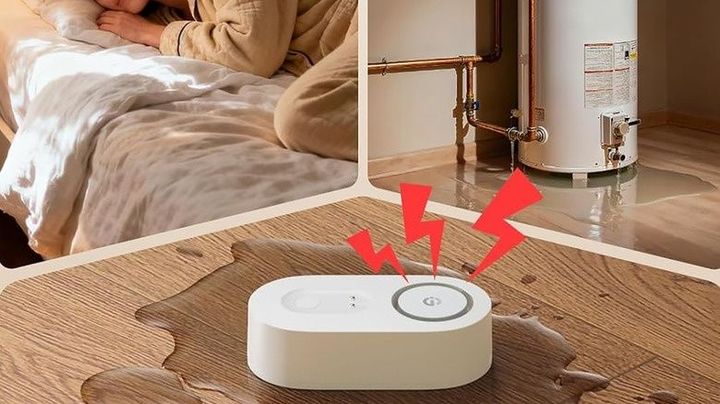
Spot detectors monitor a specific location where leaks are most likely to occur.
Common installation areas include:
- Under sinks
- Near water heaters
- Around washing machines
- Behind dishwashers
- Basement utility areas
Rope Sensor Leak Detectors
These systems use sensing cables that can monitor larger areas.
Applications include:
- Mechanical rooms
- Data centers
- Utility corridors
- Storage areas
- Large residential spaces
Flow-Based Leak Detection Systems
Flow monitoring systems analyze water movement through plumbing systems.
They can help identify:
- Continuous water flow
- Unusual consumption patterns
- Potential hidden leaks
- Plumbing abnormalities
Whole-Home Leak Monitoring Systems
Whole-home systems combine multiple sensors and water monitoring technology to provide broader property coverage.
These systems may integrate with:
- Smart home platforms
- Mobile applications
- Water monitoring dashboards
- Automation systems
Comparison of Leak Detection Technologies
| Technology | Monitoring Method | Typical Coverage |
|---|---|---|
| Spot Sensor | Direct water detection | Specific locations |
| Rope Sensor | Cable-based sensing | Extended areas |
| Flow Monitor | Water usage analysis | Plumbing systems |
| Whole-Home System | Combined monitoring | Entire property |
| Smart Valve Integration | Monitoring and control | Property-wide coverage |
Core Components of Smart Leak Detection Systems
Water Sensors
Water sensors identify the presence of moisture or standing water.
Communication Module
Wireless communication allows devices to transmit alerts to applications or monitoring platforms.
Mobile Application
Many systems provide mobile applications for configuration, notifications, and event monitoring.
Power Source
Devices may use batteries, wired power, or hybrid power configurations.
Alert System
Alerts can be delivered through:
- Mobile notifications
- Audible alarms
- Smart home automation
- Email notifications
- Monitoring platforms
Monitoring Platform
Advanced systems may provide dashboards that display sensor activity, event history, and system status.
Applications of Smart Water Leak Detectors
Residential Properties
Homeowners commonly install leak detectors in locations where plumbing issues are more likely to occur.
Apartment Buildings
Property managers can use monitoring systems to improve visibility across multiple units.
Commercial Buildings
Commercial facilities may deploy leak monitoring technology near plumbing infrastructure and utility systems.
Data Centers
Water monitoring can help protect sensitive equipment from moisture-related risks.
Utility Rooms
Utility spaces often contain water heaters, pumps, and plumbing systems that benefit from leak detection monitoring.
Vacation Properties
Remote property owners may use connected leak detectors to receive notifications while away.
Factors to Consider When Selecting a Smart Leak Detector
Connectivity Options
Evaluate compatibility with:
- Wi-Fi
- Zigbee
- Bluetooth
- Smart home platforms
Sensor Coverage
Coverage requirements depend on the size and layout of the monitored area.
Alert Features
Consider available notification methods and response options.
Battery Life
Battery-powered devices should provide sufficient operating duration for the intended application.
Environmental Conditions
Temperature, humidity, and installation location may influence device performance.
Integration Capabilities
Some users may prefer systems that connect with broader smart home automation environments.
Benefits of Smart Water Leak Detectors
Smart water leak detectors offer several practical advantages.
- Continuous water monitoring
- Early leak awareness
- Real-time notifications
- Support for remote monitoring
- Improved visibility of plumbing conditions
- Integration with smart home systems
- Flexible installation options
- Coverage for high-risk areas
- Event history tracking
- Enhanced property monitoring
- Scalable monitoring solutions
- Support for connected home technology
Challenges and Limitations
While useful, smart water leak detectors have certain limitations.
- Sensor placement affects effectiveness.
- Battery-powered devices require periodic maintenance.
- Wireless connectivity may vary by environment.
- Spot detectors only monitor specific locations.
- Some hidden leaks may require additional monitoring methods.
- System performance depends on proper installation and configuration.
Understanding these limitations helps users select appropriate monitoring solutions.
Safety Considerations
When installing smart leak detection equipment:
- Follow manufacturer installation guidelines.
- Avoid exposing electronic components to inappropriate conditions.
- Test alert functionality periodically.
- Inspect sensors regularly.
- Replace batteries according to recommendations.
- Verify wireless communication reliability.
Routine testing helps maintain system readiness.
Latest Technology Trends
Smart water monitoring technology continues to evolve through advanced connectivity and automation.
Artificial Intelligence Monitoring
Some systems analyze water usage patterns to identify unusual activity.
Smart Valve Integration
Connected shutoff valves can work alongside leak detection systems.
Enhanced Mobile Applications
Modern platforms provide event logs, device health information, and notification management.
Cloud-Based Monitoring
Cloud connectivity enables remote access and centralized monitoring.
Smart Home Integration
Leak detectors increasingly connect with home automation platforms and environmental monitoring systems.
Expert Insights
As connected home technology expands, smart water leak detectors are evolving from simple moisture sensors into comprehensive water monitoring platforms. The integration of flow analysis, automation, remote alerts, and connected home ecosystems is improving visibility into plumbing system performance while supporting more proactive property management.
Key Takeaways
- Smart water leak detectors identify water-related events through sensors and monitoring technology.
- Spot detectors monitor specific locations, while whole-home systems provide broader coverage.
- Mobile notifications allow remote awareness of potential plumbing issues.
- Connectivity options include Wi-Fi, Zigbee, Bluetooth, and smart home integration.
- Flow monitoring technology can identify unusual water usage patterns.
- Proper sensor placement is important for effective monitoring.
- Smart valve integration is becoming increasingly common.
- Routine testing helps maintain reliable operation.
Frequently Asked Questions
What is a smart water leak detector?
A smart water leak detector is a device that monitors for water presence, moisture, or unusual plumbing activity and provides alerts when potential leaks are detected.
Where should leak detectors be installed?
Common locations include under sinks, near water heaters, washing machines, dishwashers, basements, and utility rooms.
How do smart leak detectors send alerts?
Most devices use Wi-Fi, Bluetooth, Zigbee, or smart home platforms to send notifications to mobile applications.
What is the difference between a spot detector and a flow monitor?
Spot detectors identify water at a specific location, while flow monitors analyze water movement through plumbing systems.
Can smart leak detectors work with home automation systems?
Many models support integration with smart home ecosystems and automation platforms.
Do leak detectors require maintenance?
Yes. Sensors, batteries, communication settings, and alert functions should be checked periodically.
Can smart leak detectors monitor an entire property?
Whole-home monitoring systems can provide broader coverage through multiple sensors and flow-monitoring technology.
Are smart water leak detectors suitable for commercial properties?
Yes. They are used in commercial facilities, apartment buildings, data centers, and utility areas.
Conclusion
Smart water leak detectors provide an effective way to monitor plumbing systems, moisture conditions, and water-related events across residential and commercial environments. From simple spot sensors to advanced whole-home monitoring systems, these technologies help improve awareness of potential leaks through real-time alerts and connected monitoring capabilities.
As smart home technology continues to develop, leak detection systems are becoming increasingly integrated with automation platforms, flow monitoring tools, and cloud-based management systems. Understanding detector types, installation considerations, connectivity options, and monitoring capabilities helps users evaluate solutions that align with their property monitoring requirements.