Guide to Automotive Power Tools: Basics, Applications, and Informative Maintenance Tips
Automotive power tools are mechanical devices that use electricity, compressed air, or battery systems to perform tasks related to vehicle maintenance, assembly, and repair. These tools are commonly used in automotive workshops, manufacturing facilities, and educational training environments. Compared with manual hand tools, power-driven equipment can complete tasks such as tightening fasteners, cutting materials, polishing surfaces, and removing components more efficiently.
The development of automotive power tools grew alongside the evolution of the automobile industry. As vehicles became more complex during the twentieth century, mechanics and technicians needed equipment capable of handling stronger materials and precise assembly processes. Early examples included pneumatic wrenches powered by compressed air systems. Over time, electric and battery-powered alternatives emerged, making the tools more portable and adaptable.
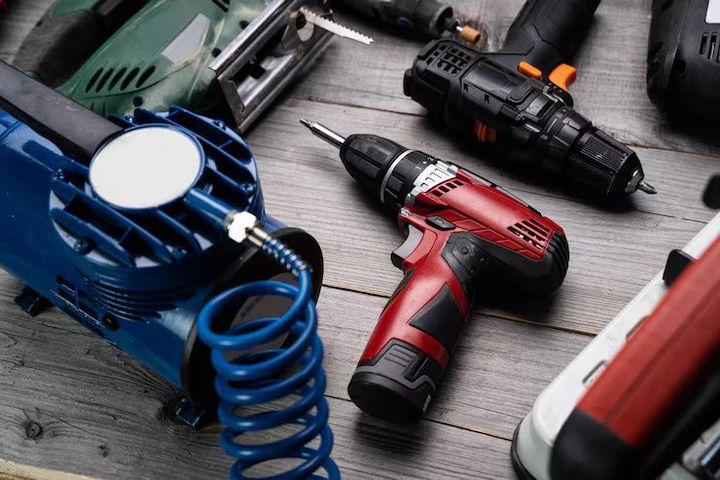
Today, automotive power tools include a wide variety of devices such as impact wrenches, grinders, polishers, drills, and ratchets. These tools support many stages of vehicle maintenance and mechanical work, from removing wheel nuts to smoothing metal surfaces. Many modern versions also integrate safety mechanisms, ergonomic handles, and digital controls to improve usability.
Understanding the basics, applications, and maintenance practices associated with automotive power tools helps individuals recognize how these tools function and why they are widely used in vehicle-related tasks.
Importance
Automotive power tools play a significant role in vehicle maintenance and mechanical work. Vehicles contain numerous components that require precise fastening, removal, and adjustment. Performing these tasks with manual tools alone can require significant physical effort and extended time.
One key advantage of automotive power tools is efficiency. Devices such as impact wrenches or electric ratchets allow fast removal or tightening of bolts and nuts that secure parts like wheels, engine components, or suspension systems. This efficiency is especially important when dealing with tightly fastened components exposed to heat, vibration, or corrosion.
Another important factor is consistency. Power-driven tools can apply torque more evenly than manual tools in many situations. This consistency helps reduce the likelihood of uneven fastening or mechanical stress on vehicle parts.
Automotive power tools also influence safety and ergonomics in mechanical environments. Repetitive manual tasks can strain muscles and joints, especially when heavy force is required. Tools powered by compressed air or electric motors reduce physical effort and allow tasks to be completed with less strain.
For individuals learning about vehicle maintenance, understanding these tools provides insight into how mechanical work is organized and performed in modern automotive environments.
Common Applications of Automotive Power Tools
Automotive power tools support many routine vehicle maintenance and repair tasks. Examples include:
- Fastener removal and tightening: Impact wrenches and ratchets remove or secure bolts used in wheel assemblies, engines, and chassis components.
- Surface preparation: Grinders and sanders smooth metal surfaces, remove rust, or prepare materials before painting.
- Drilling and cutting: Power drills create holes in metal or plastic components during modifications or component replacement.
- Polishing and finishing: Polishers restore surface appearance on vehicle body panels or metal parts.
- Component disassembly: Specialized power tools assist in removing stubborn parts without excessive manual force.
These applications demonstrate why automotive power tools are commonly used in both mechanical workspaces and industrial vehicle production environments.
Recent Updates
Between 2024 and 2026, several developments have influenced the design and use of automotive power tools. Many of these changes relate to improvements in battery technology, digital monitoring systems, and ergonomic design.
One noticeable trend is the wider adoption of advanced lithium-ion battery systems. These batteries provide longer operating time and stable power output compared with earlier rechargeable systems. As a result, cordless automotive power tools have become more common in many mechanical environments.
Another development involves smart monitoring features. Some modern tools include built-in sensors that track torque levels, operating time, and performance data. These features help users understand how tools are functioning during mechanical work and can improve accuracy when tightening fasteners.
Manufacturers have also focused on ergonomic improvements. Handles with vibration-reducing materials and balanced tool designs help reduce fatigue during extended use. This trend reflects broader attention to workplace safety and comfort.
Environmental considerations have also influenced tool design. More tools now operate with energy-efficient motors, and some models are designed to reduce noise levels during operation. These changes align with wider efforts to create safer and more sustainable industrial environments.
Laws or Policies
Automotive power tools are shaped by safety regulations and workplace standards in many countries. These rules aim to reduce accidents and ensure safe operation of mechanical equipment.
In the United States, workplace safety guidance related to mechanical equipment is published by the Occupational Safety and Health Administration. This organization provides guidelines for safe tool operation, protective equipment, and workplace training.
Standards for electrical safety and tool design are also influenced by organizations such as the International Organization for Standardization. ISO standards define technical requirements that help manufacturers design equipment that meets recognized safety and performance criteria.
Vehicle safety authorities also play a role in shaping practices connected to automotive maintenance environments. For example, the National Highway Traffic Safety Administration in the United States develops regulations related to vehicle safety and maintenance procedures.
Common regulatory themes related to automotive power tools include:
- proper protective equipment during tool operation
- safe electrical connections and grounding
- maintenance inspections for mechanical equipment
- workplace training on tool handling and safety procedures
These rules are intended to reduce workplace injuries and ensure mechanical tools operate within safe limits.
Tools and Resources
Several digital tools and informational resources help individuals understand automotive power tools and mechanical processes. These resources provide educational materials, technical references, and learning platforms.
Technical Information Platforms
Websites managed by organizations such as the Society of Automotive Engineers provide technical documents and research related to automotive technology. These materials often include explanations of mechanical systems, tool applications, and engineering practices.
Safety and Training Resources
The Occupational Safety and Health Administration publishes educational materials explaining safe tool operation, workplace hazards, and protective equipment guidelines. These materials are commonly referenced in training environments.
Maintenance Documentation Systems
Digital maintenance documentation platforms allow users to store technical manuals, diagrams, and repair instructions. These platforms help organize information about tools and vehicle components.
Tool Performance Calculators
Torque calculators and mechanical measurement tools available online help users understand how fasteners respond to different torque levels. These calculators are helpful when learning how automotive power tools apply rotational force to bolts and nuts.
Data Table: Examples of Automotive Power Tools and Applications
| Tool Type | Typical Power Source | Common Application |
|---|---|---|
| Impact Wrench | Compressed air or battery | Removing wheel nuts and bolts |
| Power Drill | Electric or battery | Creating holes in metal or plastic |
| Angle Grinder | Electric | Cutting or smoothing metal surfaces |
| Electric Ratchet | Battery powered | Fastener removal in tight spaces |
| Polisher | Electric | Surface finishing on vehicle panels |
This table illustrates how different automotive power tools perform specific mechanical tasks in vehicle maintenance environments.
FAQs
What are automotive power tools used for?
Automotive power tools are mechanical devices that assist with tasks such as fastening bolts, drilling holes, grinding metal surfaces, and polishing vehicle panels. They use electricity, compressed air, or battery systems to generate mechanical force.
How do automotive power tools differ from manual tools?
Manual tools rely entirely on human effort. Automotive power tools use motors or compressed air systems to provide rotational or cutting force, allowing tasks to be completed with less physical effort.
What safety practices should be followed when using automotive power tools?
Important safety practices include wearing protective equipment such as gloves and eye protection, maintaining stable tool positioning, and ensuring tools are inspected regularly for mechanical or electrical issues.
What are common types of automotive power tools?
Common examples include impact wrenches, electric ratchets, power drills, grinders, and polishers. Each tool performs a specific mechanical function related to vehicle maintenance or component adjustment.
Why are maintenance checks important for automotive power tools?
Routine maintenance checks help ensure tools operate correctly and reduce the likelihood of mechanical failure. Inspections typically focus on power connections, moving components, and overall structural condition.
Conclusion
Automotive power tools are essential mechanical devices used in vehicle maintenance and assembly environments. These tools evolved alongside the automobile industry and now include a wide range of electrically powered, pneumatic, and battery-driven equipment.
Understanding the basics, applications, and maintenance practices associated with these tools helps explain how modern automotive work is performed. Developments in battery technology, digital monitoring, and ergonomic design continue to shape how these tools are used.
Safety standards and technical guidelines from international organizations also influence how automotive power tools are designed and operated. Overall, these tools remain an important part of modern vehicle maintenance and mechanical operations.