Guide to Deepfake Detection Systems: Technologies, Algorithms, and Informative Knowledge
Deepfake detection systems are technologies designed to identify manipulated audio, images, or videos that have been altered using artificial intelligence. The term “deepfake” combines “deep learning” and “fake,” referring to media created or modified through machine learning models that can mimic human faces, voices, or movements. These synthetic media techniques emerged from advances in computer vision, neural networks, and generative artificial intelligence.
Deepfake creation methods often rely on technologies such as generative adversarial networks (GANs), autoencoders, and neural rendering. These tools can generate realistic visual or audio content by learning patterns from large data sets. While such technologies have legitimate research and creative uses, they can also produce misleading media that appears authentic.
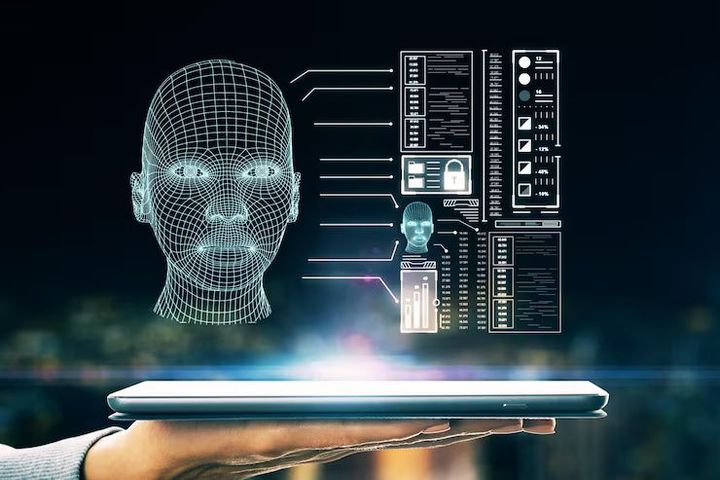
Deepfake detection systems developed as a response to these challenges. Researchers, technology organizations, and digital platforms began building algorithms capable of identifying signs of manipulation within images, audio, and video. These systems analyze subtle inconsistencies that may not be visible to the human eye.
Today, deepfake detection technologies are studied across fields such as cybersecurity, digital media analysis, artificial intelligence research, and online content moderation. Their goal is not to eliminate synthetic media entirely but to provide ways to verify authenticity and maintain trust in digital information.
Importance
The development of deepfake detection systems has become increasingly important as synthetic media becomes easier to create. Artificial intelligence tools can now generate highly convincing videos or voice recordings that resemble real individuals. Without detection technologies, distinguishing authentic content from manipulated media can be difficult.
Deepfake media can affect several areas of everyday life. Examples include misinformation on social platforms, manipulated political content, altered public statements, and identity impersonation in digital communication. These risks highlight the importance of detection technologies that help identify altered media.
Deepfake detection systems contribute to digital safety in several ways:
- Media verification: Detection algorithms analyze video frames, facial movements, and audio signals to identify signs of synthetic manipulation.
- Content moderation support: Online platforms may use detection tools to flag suspicious media for further review.
- Research and academic analysis: Universities and research institutions examine deepfake technologies to understand how synthetic media evolves.
- Public awareness: Detection tools help journalists, researchers, and educators explain how manipulated media spreads online.
Another reason deepfake detection technologies matter is the speed at which AI-generated media evolves. As generative models improve, the gap between synthetic and authentic content becomes smaller. Detection systems must therefore adapt continuously to new algorithms used in deepfake creation.
For the general public, these systems play a role in protecting trust in digital communication. When individuals watch a video online or hear an audio clip shared on social media, detection technologies help determine whether the content has been artificially altered.
Recent Updates
Between 2024 and 2026, research in deepfake detection systems has expanded significantly. Artificial intelligence laboratories, academic groups, and technology organizations have introduced new algorithms designed to analyze increasingly realistic synthetic media.
One notable trend involves the use of multimodal detection techniques. Instead of examining only visual information, modern systems analyze multiple signals simultaneously. For example, a detection system may compare lip movement patterns with speech audio to identify mismatches.
Another development involves real-time detection technologies. Earlier detection systems often required extensive processing time. New algorithms are designed to analyze video streams more quickly, enabling near real-time analysis during video playback or live streaming.
Several research initiatives also focus on improving the transparency of detection algorithms. Some models generate visual explanations that highlight specific areas of a video frame where manipulation may occur. This approach helps researchers understand how the algorithm reached its conclusion.
Another growing area involves collaborative data sets. Universities and research organizations share collections of synthetic and authentic media used to train detection algorithms. These data sets help improve the ability of systems to recognize different forms of manipulation.
The following table outlines common approaches used in deepfake detection technologies.
| Detection Method | Main Principle | Typical Application |
|---|---|---|
| Facial artifact analysis | Identifies unnatural facial textures or lighting patterns | Video verification |
| Biological signal detection | Examines natural signals such as blinking or pulse patterns | Identity verification |
| Audio consistency analysis | Compares voice characteristics and speech patterns | Audio authenticity checks |
| Temporal analysis | Evaluates frame-to-frame motion consistency | Video sequence analysis |
| Deep learning classifiers | Neural networks trained on authentic and synthetic media | Automated detection systems |
These approaches demonstrate how deepfake detection systems combine machine learning, signal processing, and visual analysis to identify synthetic media.
Laws or Policies
Governments and regulatory bodies have begun addressing the challenges created by deepfake technologies. Policies vary across countries, but many focus on misinformation, digital identity protection, and election integrity.
In the United States, legislative proposals related to synthetic media often address political communication and identity misuse. Some rules require disclosure when artificial media is used in certain contexts, such as election-related messaging.
In the European Union, regulatory frameworks associated with artificial intelligence aim to address risks linked to synthetic media. Policies connected to the EU Artificial Intelligence Act include provisions related to transparency in AI-generated content. These rules encourage labeling or disclosure when synthetic media is produced through artificial intelligence.
India has also explored policy discussions related to digital misinformation and manipulated media. Government agencies and technology organizations have examined ways to address deepfake content while balancing freedom of expression and technological development.
Policy discussions often focus on three main principles:
- Transparency requirements: Informing audiences when media has been generated or altered by artificial intelligence.
- Identity protection: Addressing misuse of a person’s likeness or voice without permission.
- Election integrity measures: Preventing manipulated media from influencing public opinion during political campaigns.
Although policies continue to evolve, regulations typically emphasize accountability and responsible use of artificial intelligence technologies.
Tools and Resources
Several research platforms and digital tools help analyze manipulated media and support the development of deepfake detection systems. These tools vary in complexity and are used by researchers, journalists, educators, and technology professionals.
Some commonly referenced resources include:
- Microsoft Video Authenticator: A research tool developed to analyze images and videos for potential signs of synthetic manipulation.
- Deepware Scanner: A detection application designed to examine video files and identify possible deepfake patterns.
- Sensity AI: A research platform that studies synthetic media trends and detection algorithms.
- DeepFake Detection Challenge: A collaborative research initiative that produced open datasets for training detection algorithms.
Academic institutions also publish open research papers that explain new detection algorithms. Platforms such as arXiv host many studies describing advances in machine learning models used for deepfake detection.
Other resources include digital forensics frameworks that examine metadata, frame-level inconsistencies, and audio waveform structures. These tools allow researchers to test different detection strategies and compare algorithm performance.
Together, these tools and resources support ongoing research into deepfake detection technologies and help improve understanding of how synthetic media can be identified.
FAQs
What are deepfake detection systems?
Deepfake detection systems are technologies designed to analyze digital media and determine whether images, audio, or video have been manipulated using artificial intelligence. These systems use algorithms that examine patterns such as facial movements, audio signals, and visual artifacts.
How do deepfake detection algorithms work?
Deepfake detection algorithms analyze various features within digital media. They may examine facial expressions, lighting patterns, frame consistency, and voice characteristics. Machine learning models trained on authentic and synthetic media help identify patterns associated with manipulated content.
Why are deepfake detection technologies important?
Deepfake detection technologies help identify manipulated media that may spread misinformation or impersonate individuals. They support digital verification efforts used by researchers, journalists, and online platforms.
Can deepfake detection systems identify all synthetic media?
Detection systems can identify many forms of manipulated media, but no method is perfect. As deepfake creation technologies evolve, detection algorithms also need continuous updates to adapt to new techniques.
What fields study deepfake detection technologies?
Deepfake detection technologies are studied across several fields, including artificial intelligence research, digital forensics, cybersecurity, computer vision, and media analysis.
Conclusion
Deepfake detection systems play an important role in identifying manipulated digital media created using artificial intelligence. These technologies combine machine learning algorithms, visual analysis, and audio processing to examine patterns that indicate synthetic manipulation. As deepfake generation methods evolve, detection technologies continue to develop through research and collaboration. Understanding how these systems work helps individuals and organizations recognize the challenges associated with synthetic media. Ongoing research and policy discussions continue to shape how deepfake detection technologies are used in the digital environment.