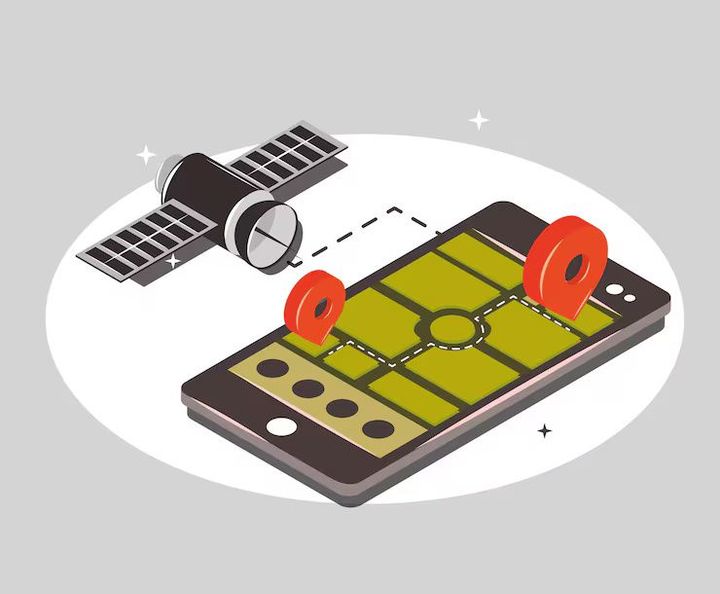
Guide to GPS Tracking Modules: Working Principles, Features, and Application Knowledge
Global positioning technology has changed how people understand location and movement. A Guide to GPS Tracking Modules: Working Principles, Features, and Application Knowledge helps explain how these small electronic components determine geographic position using signals from satellites orbiting Earth. GPS tracking modules are widely integrated into devices such as smartphones, vehicle navigation systems, asset trackers, and outdoor navigation tools.
A GPS tracking module is a compact electronic unit that receives signals from multiple satellites in the Global Positioning System network. By calculating the time it takes for signals to reach the receiver, the module can determine geographic coordinates such as latitude, longitude, and altitude. These calculations allow devices to identify their location with measurable accuracy.
The technology originates from the satellite navigation infrastructure known as the Global Positioning System (GPS), which was initially developed for navigation and timing applications. Over time, the technology became widely integrated into civilian devices and systems. Today, GPS tracking modules are common components used in navigation, mapping, logistics monitoring, and environmental observation tools.
Understanding the working principles, features, and applications of GPS tracking modules provides helpful knowledge about how location-based technology functions in everyday tools. It also explains how modern systems combine satellite data with digital communication technologies to support navigation and tracking tasks.
Importance
GPS tracking modules play a significant role in modern digital infrastructure because many technologies depend on accurate location information. Transportation networks, mapping platforms, navigation tools, and environmental monitoring systems rely on satellite-based positioning data.
Several everyday situations involve the use of GPS tracking technology. Navigation systems help drivers follow routes, outdoor enthusiasts track hiking paths, and logistics systems monitor vehicle movement. In agriculture and construction, positioning data supports equipment coordination and land mapping.
Key reasons why GPS tracking modules matter include:
- Navigation assistance: GPS modules provide coordinates used by navigation software to determine routes and directions.
- Location monitoring: Tracking systems can record movement patterns for vehicles, equipment, or environmental sensors.
- Emergency response coordination: Accurate positioning information can assist emergency coordination systems during rescue operations.
- Scientific and environmental monitoring: Researchers use GPS-enabled instruments to study land movement, weather patterns, and wildlife migration.
GPS tracking modules also help improve timing synchronization in communication systems. Satellite signals contain precise timing information, which can support network infrastructure and technical systems that require accurate time measurement.
As digital infrastructure expands, location-based technologies continue to influence transportation planning, mapping platforms, and geographic information systems.
Recent Updates
Between 2024 and 2026, several technological developments have influenced GPS tracking modules and satellite navigation systems. Improvements in semiconductor design have allowed modules to become smaller while maintaining positioning accuracy and signal stability.
Another development involves multi-constellation satellite navigation support. Many modern GPS tracking modules can receive signals not only from the Global Positioning System but also from additional satellite networks. These may include systems such as:
- GLONASS, operated by Russia
- Galileo, operated by the European Union
- BeiDou, operated by China
Multi-constellation capability allows modules to access a larger number of satellites simultaneously. This can help improve location determination in environments where signals may be partially blocked, such as urban areas with tall buildings.
Another trend involves integration with wireless communication technologies. Some tracking modules combine GPS receivers with communication components that transmit location information to remote monitoring platforms. These integrations support applications such as vehicle monitoring, asset tracking, and environmental observation systems.
Advances in energy efficiency have also influenced GPS tracking module design. Low-power chipsets help devices operate longer in battery-powered equipment, which is important for portable trackers and remote sensing devices.
The following table summarizes typical features found in many modern GPS tracking modules.
| Feature | Description |
|---|---|
| Satellite reception | Ability to receive signals from multiple satellite navigation systems |
| Position accuracy | Determines geographic coordinates using signal timing calculations |
| Update frequency | Indicates how often location data is refreshed |
| Power consumption | Represents the electrical energy required during operation |
| Communication interface | Enables data transfer to other devices or systems |
| Antenna support | Allows reception of satellite signals through internal or external antennas |
These developments reflect the continuing evolution of satellite positioning technology as manufacturers refine hardware design and communication capabilities.
Laws or Policies
Satellite navigation technology operates within regulatory frameworks that govern telecommunications equipment and radio frequency usage. In many countries, including India, government authorities oversee the use of electronic communication devices and satellite navigation receivers.
In India, regulatory oversight is generally associated with agencies such as the Department of Telecommunications (DoT) and the Telecom Regulatory Authority of India (TRAI). These authorities oversee aspects of radio communication standards and equipment certification for electronic devices that use wireless signals.
Devices containing GPS tracking modules may also fall under broader electronic equipment compliance frameworks. Manufacturers must typically ensure that devices meet national electromagnetic compatibility and wireless communication standards before distribution.
Another regulatory consideration involves data protection and location privacy. Many jurisdictions emphasize responsible handling of location data collected by tracking systems. Organizations using tracking technologies often implement policies regarding how geographic information is stored, processed, and shared.
Transportation and logistics sectors may also follow operational guidelines related to vehicle monitoring systems. These guidelines focus on safety, infrastructure monitoring, and compliance with transportation management regulations.
Understanding these policies helps clarify the regulatory environment surrounding GPS tracking technologies and location data usage.
Tools and Resources
Several digital tools and knowledge platforms help individuals learn about GPS tracking modules and satellite navigation technology. These resources support educational exploration of how positioning systems operate.
Examples of helpful resources include:
- Satellite tracking platforms: Websites that display real-time satellite positions and orbits help users visualize how navigation satellites move around Earth.
- Mapping platforms: Geographic information platforms display coordinates and mapping layers that illustrate how GPS data is represented.
- Developer documentation: Technical documentation explains how GPS modules communicate with other electronic systems through standard protocols.
- Geographic information systems (GIS): Software platforms analyze spatial data and allow researchers to interpret location information collected from GPS receivers.
Educational platforms and open mapping initiatives also provide explanations of satellite navigation concepts. These materials often include diagrams, tutorials, and documentation that explain coordinate systems, satellite communication signals, and location calculation methods.
Students, researchers, and technology enthusiasts often use these resources to understand how GPS modules interact with digital systems such as mapping applications, navigation software, and geographic data platforms.
FAQs
What is a GPS tracking module?
A GPS tracking module is an electronic receiver that determines geographic position by processing signals transmitted by navigation satellites. The module calculates coordinates such as latitude and longitude based on signal timing differences from multiple satellites.
How do GPS tracking modules determine location?
GPS tracking modules measure the time it takes for satellite signals to reach the receiver. By comparing signals from several satellites simultaneously, the module calculates a position on Earth using a method known as trilateration.
What devices commonly use GPS tracking modules?
Many everyday technologies contain GPS tracking modules. Examples include smartphones, vehicle navigation systems, environmental monitoring devices, mapping instruments, and transportation monitoring equipment.
Can GPS tracking modules work indoors?
Satellite signals can weaken when passing through buildings or dense structures. Some devices combine GPS receivers with additional positioning technologies such as cellular network data or Wi-Fi positioning to improve location detection in indoor environments.
What features are important in GPS tracking modules?
Common features include satellite constellation support, update frequency, antenna compatibility, communication interfaces, and energy efficiency. These features influence how the module performs within different devices and operating conditions.
Conclusion
GPS tracking modules are compact electronic components that determine geographic location using signals from satellite navigation systems. Their working principles involve signal timing calculations that convert satellite data into precise coordinates.
These modules are widely used in navigation tools, environmental monitoring equipment, transportation systems, and digital mapping platforms. Ongoing developments in multi-constellation reception, energy efficiency, and integrated communication technologies continue to expand their capabilities.
Understanding the features and applications of GPS tracking modules helps explain how location-based technologies function in modern devices and digital infrastructure.