Modular office furniture refers to workspace furnishings designed with interchangeable parts that can be rearranged, expanded, or adjusted as workplace needs change. Instead of fixed desks and permanent layouts, modular systems include components such as desks, partitions, storage units, and seating that connect or separate easily. This design approach developed alongside evolving workplace structures that require adaptable environments.
Modern workplaces often experience shifts in team size, project structure, and technology use. Traditional furniture layouts were typically static, making it difficult to modify spaces without major changes. Modular office furniture emerged to address this challenge by enabling flexible configurations within the same workspace.
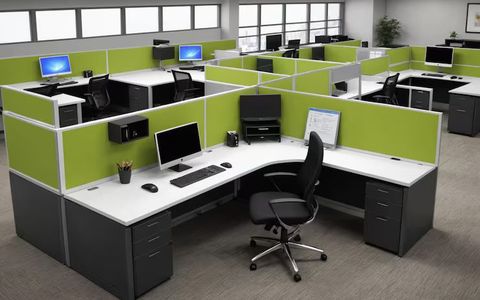
The concept gained wider adoption as organizations began exploring open-plan offices, collaborative work zones, and hybrid work environments. Modular systems support these approaches by allowing spaces to be rearranged for individual work, group meetings, or shared activities.
In addition to flexibility, modular furniture design often emphasizes efficiency in space planning. Many systems integrate storage, cable management, and adjustable surfaces to accommodate computers, communication tools, and other equipment used in modern offices.
Importance
Workspace design has become an important topic as organizations reconsider how office environments support productivity and collaboration. Modular office furniture plays a role in addressing several challenges associated with traditional office layouts.
One major issue is the need for adaptable workspaces. Teams may grow or shrink depending on project demands, and departments may reorganize frequently. Furniture systems that allow rearrangement help workplaces respond to these changes without extensive renovation.
Another factor is space utilization. Offices located in dense urban areas often operate within limited floor areas. Modular furniture allows multiple workspace arrangements within the same area, supporting efficient layout planning.
Several practical advantages explain why modular workspace design is widely discussed today:
- Layout flexibility: desks, partitions, and storage units can be rearranged to create new workspace structures.
- Adaptable collaboration areas: furniture modules allow quick formation of meeting areas or discussion zones.
- Improved organization: integrated storage components reduce clutter and support structured workflows.
- Technology compatibility: many modular desks include cable routing features for digital equipment.
- Workspace personalization: employees can adjust desk layouts or storage placement to suit individual working styles.
Hybrid work models have also influenced furniture design discussions. As employees alternate between remote and office-based work, offices may require shared desks and adaptable seating areas. Modular furniture helps support these flexible usage patterns.
Recent Updates
Between 2024 and 2026, workplace design trends have continued evolving, with modular office furniture becoming increasingly integrated with technology and sustainability considerations. Several developments reflect broader changes in how offices function.
One emerging trend involves flexible hybrid workspaces. Organizations experimenting with hybrid schedules often design offices around shared spaces rather than fixed seating. Modular desks and partitions allow teams to reshape work areas depending on attendance patterns.
Another development relates to ergonomics. Furniture systems now frequently include adjustable desk heights, adaptable monitor supports, and movable seating arrangements. These adjustments help accommodate different user preferences while maintaining consistent workspace design.
Environmental awareness has also influenced furniture production. Many manufacturers now explore materials such as recycled metals, engineered wood, and modular components designed for easier replacement. Instead of replacing entire furniture sets, individual parts can be updated or exchanged.
Digital integration has become another focus area. Some modular office furniture systems incorporate technology-friendly features such as:
- built-in cable channels and power outlets
- adjustable monitor arms and device mounts
- acoustic panels designed for video conferencing environments
- modular lighting attachments integrated with desks or partitions
These features reflect the growing role of digital communication and collaborative software in everyday office activities.
Another ongoing trend involves workplace zoning. Instead of one large open office area, workplaces often divide spaces into activity zones. Modular furniture enables this by forming temporary boundaries using partitions, shelving units, or movable panels.
Laws or Policies
Office furniture design and workplace layout are influenced by several regulatory frameworks related to workplace safety, accessibility, and environmental practices. While these rules vary across countries, they often shape how modular furniture systems are designed and implemented.
One key area involves occupational safety guidelines. Many governments maintain workplace safety standards that address desk height, seating support, and workstation arrangement. These guidelines aim to reduce strain caused by prolonged computer use and encourage ergonomic workspace design.
Another regulatory consideration is accessibility. Building codes and accessibility policies often require office layouts to allow adequate movement for individuals with mobility limitations. Modular furniture can help workplaces adjust desk placement and pathway widths to comply with accessibility standards.
Environmental regulations also influence furniture production and materials. Some policies encourage responsible sourcing of wood products, recycling of materials, and reduction of manufacturing waste. Modular furniture systems sometimes align with these guidelines because individual components can be replaced instead of discarding entire furniture sets.
Fire safety and building regulations may also affect office furniture layout. Partition height, material selection, and emergency exit pathways must comply with safety standards established by building authorities.
The following table summarizes several policy areas that influence modular workspace design.
| Policy Area | Purpose | Influence on Office Furniture |
|---|---|---|
| Workplace safety regulations | Promote healthy work environments | Encourages ergonomic desk height and seating support |
| Accessibility standards | Ensure spaces remain accessible for all individuals | Requires adequate pathway width and adaptable desk placement |
| Environmental guidelines | Reduce environmental impact of materials and manufacturing | Supports recyclable materials and modular components |
| Building and fire safety codes | Maintain safe building operations | Limits partition placement and ensures clear emergency routes |
These policies guide organizations in planning workspaces that meet safety and regulatory expectations.
Tools and Resources
Planning modular office layouts often involves digital tools that help visualize workspace arrangements and evaluate furniture placement before physical installation. These tools assist designers, facility planners, and organizations when organizing workspace structures.
Several categories of tools support modular workspace planning:
- Office layout planners: software that allows users to create floor plans and arrange desks, partitions, and storage units digitally.
- 3D modeling platforms: tools that generate visual representations of office layouts, helping planners evaluate spatial relationships.
- ergonomic assessment tools: digital resources that estimate desk height, seating alignment, and monitor placement for comfortable workstation setup.
- space management platforms: workplace management systems that track workspace usage, desk allocation, and collaborative areas.
- material selection databases: online resources describing materials used in furniture manufacturing and their environmental characteristics.
Workspace planning tools often integrate with architectural design software, enabling facility teams to coordinate furniture layouts with building infrastructure such as electrical systems, lighting placement, and ventilation.
Templates for workspace planning are also widely used. These templates may include suggested configurations for open workstations, meeting zones, quiet focus areas, and shared collaboration tables.
Such resources help organizations plan adaptable environments while minimizing disruption during layout adjustments.
FAQs
What is modular office furniture?
Modular office furniture consists of desks, partitions, storage units, and seating components designed to connect in multiple arrangements. These systems allow workspaces to be reorganized easily when teams change structure or workspace requirements evolve.
How does modular office furniture improve workspace design?
Modular furniture supports workspace design by allowing desks, meeting areas, and storage units to be rearranged without extensive reconstruction. This flexibility helps workplaces adapt to team collaboration needs, technology integration, and evolving office layouts.
What types of components are included in modular office furniture systems?
Common modular furniture components include desk units, storage cabinets, mobile pedestals, acoustic partitions, shelving systems, and adjustable seating. Many systems also include integrated cable management and accessory mounts.
Is modular office furniture suitable for small offices?
Yes. Modular furniture can help smaller offices use limited space more efficiently. Desks and storage units can be arranged in compact configurations and adjusted as workspace requirements change.
How does modular workspace design support hybrid work environments?
Hybrid work environments often require shared desks and adaptable meeting spaces. Modular workspace design allows offices to reorganize seating layouts, create temporary collaboration zones, and adjust workstations depending on employee presence.
Conclusion
Modular office furniture reflects broader changes in workplace design that emphasize flexibility, efficiency, and adaptability. By using interchangeable components, organizations can rearrange workspace layouts without major structural changes.
This approach supports modern work patterns, including collaborative environments and hybrid work models. Regulatory frameworks related to safety, accessibility, and environmental considerations also influence how modular furniture systems are designed and arranged.
Understanding modular workspace design helps explain how offices adapt to changing workplace needs while maintaining functional and organized environments.