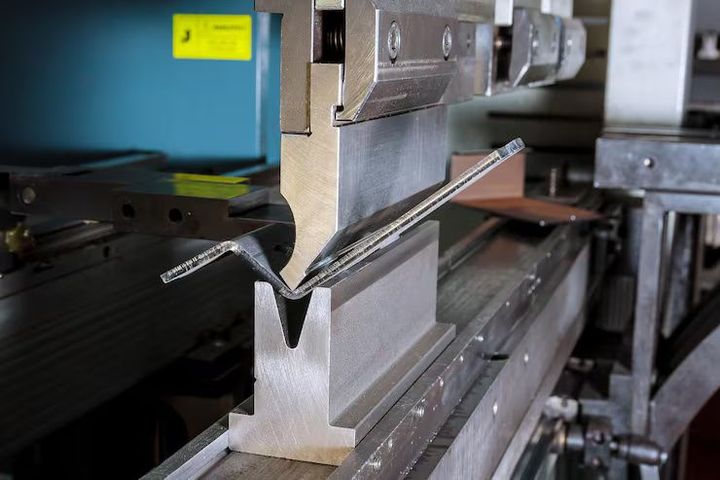
Section Bending Machines Explained: Working Principles, Accuracy, and Industrial Insights
Section bending machines are industrial tools designed to curve long metal profiles into controlled shapes. These machines work with structural sections such as pipes, tubes, beams, and channels, gradually bending them into arcs or circular forms. The process is widely used in metalworking and fabrication industries where curved components are needed for structures or equipment.
The idea of bending metal into specific shapes has existed for centuries. Early metalworkers used manual techniques such as heating and hammering. Over time, mechanical devices were introduced to improve precision and reduce manual effort. Modern section bending machines apply controlled pressure through rotating rollers, allowing metal sections to bend gradually without breaking or deforming excessively.
Today, these machines are commonly used in industries such as construction, transportation equipment manufacturing, energy infrastructure, and architectural metalwork. By allowing consistent shaping of structural materials, section bending machines play an important role in creating curved frameworks, circular frames, and structural supports.
Importance
Supporting modern structural design
Curved metal components are common in many structures and engineered systems. Section bending machines make it possible to produce these shapes with consistent geometry. This capability supports designs such as curved building facades, arches, circular tanks, and transportation components.
Without controlled bending equipment, producing identical curved parts would be difficult and time-consuming. Machines allow repeated shaping with similar dimensions, helping maintain structural uniformity.
Improving manufacturing efficiency
Manual bending methods can produce inconsistent results and require significant labor. Section bending machines improve efficiency by applying steady pressure through mechanical or hydraulic systems. This reduces variation in bending angles and curvature.
Industries that manufacture large quantities of structural components benefit from this consistency. When identical curved parts are needed, automated or semi-automated bending systems help maintain uniform production.
Reducing material waste
Controlled bending improves material usage. When bending is precise, fewer components need to be discarded due to deformation or cracking. Accurate adjustment of rollers also helps prevent excessive force that could damage the metal.
For many fabrication environments, reducing waste helps maintain stable production processes while conserving raw materials.
Working Principles
Roller-based bending process
Most section bending machines operate using a three-roller or four-roller system. The rollers guide and gradually bend the metal section as it passes through the machine.
In a typical three-roller arrangement:
- Two rollers support the material from below
- One adjustable roller applies pressure from above
- The material moves back and forth through the rollers
- Each pass increases the curvature until the desired shape forms
The gradual bending process helps maintain the structural integrity of the metal while achieving the required radius.
Types of section bending machines
Different machine configurations are used depending on the shape and size of the metal sections being bent.
Common machine types include:
- Horizontal section bending machines – Used for larger beams and profiles where horizontal alignment improves stability
- Vertical section bending machines – Often used for smaller profiles and circular rings
- Hydraulic bending machines – Use hydraulic pressure for bending thicker materials
- CNC-controlled bending machines – Use digital control systems to manage roller movement and bending accuracy
Each configuration is suited to different production environments and structural materials.
Materials commonly processed
Section bending machines can work with a variety of metals. The bending method may vary depending on the material properties such as strength, ductility, and thickness.
Typical materials include:
- Structural steel sections
- Aluminum profiles
- Stainless steel tubes
- Copper and brass components
The bending parameters must be adjusted based on the metal type to prevent cracks or distortion.
Accuracy
Factors affecting bending precision
Accuracy in section bending machines depends on several factors related to both equipment and material behavior.
Key factors include:
- Roller alignment – Incorrect alignment can cause uneven curvature
- Material thickness – Thicker sections require greater bending force
- Metal elasticity – Some metals spring back slightly after bending
- Roller pressure control – Excess pressure may distort the profile
Because metals naturally resist deformation, a small amount of springback occurs after bending. Operators compensate by slightly over-bending the material.
Measuring bending accuracy
To ensure that curved components meet design specifications, manufacturers use measurement tools such as:
- Radius gauges for checking curvature
- Laser measurement systems for detecting dimensional variation
- Digital angle indicators for verifying bending angles
These tools help confirm that the final shape matches engineering requirements.
Typical bending accuracy ranges
The achievable precision varies depending on the machine type and the material being processed.
| Machine Type | Typical Accuracy Range | Common Application |
|---|---|---|
| Manual section bending machines | ±2–3 mm variation | Small workshops and simple curves |
| Hydraulic bending machines | ±1–2 mm variation | Structural fabrication |
| CNC section bending machines | ±0.5–1 mm variation | Industrial production environments |
These ranges reflect general performance characteristics rather than exact standards.
Industrial Insights
Common industrial applications
Section bending machines are widely used in industries that require curved structural elements. These applications include both functional structures and architectural designs.
Examples include:
- Construction structures such as arches and curved support beams
- Transportation components including rail structures and vehicle frames
- Energy infrastructure such as pipelines and circular support rings
- Industrial equipment frames and structural housings
The ability to shape metal sections into controlled curves allows engineers to design structures that distribute loads efficiently.
Integration with automated production systems
Many modern manufacturing facilities integrate section bending machines into automated production lines. CNC controls allow operators to program specific bending radii and repeat the same shape across multiple parts.
Automation improves repeatability and reduces manual adjustments. Digital systems can also store bending programs for different component designs, allowing faster production changes.
Role in custom fabrication
While automation is common, section bending machines also support custom fabrication. Fabricators often work with unique shapes required for architectural features, artistic structures, or specialized industrial equipment.
In such cases, operators adjust roller pressure and positioning manually to achieve the desired curvature.
Recent Updates
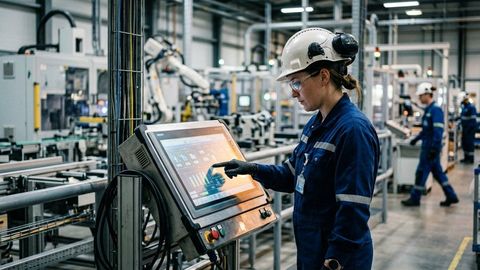
Recent developments in section bending technology focus on improving precision and automation. Digital control systems are becoming more common, allowing operators to monitor bending parameters through touchscreen interfaces.
Several manufacturing trends between 2024 and 2026 include:
- Increased use of CNC systems for automated bending programs
- Integration of digital measurement tools for real-time accuracy checks
- Improved hydraulic systems that provide smoother pressure control
- Simulation software that predicts bending behavior before production
Another notable trend is the use of predictive modeling software. These tools estimate how different metal sections will behave during bending, helping operators select appropriate machine settings before the process begins.
Laws or Policies
Industrial equipment such as section bending machines is subject to safety and operational regulations in many countries. These regulations aim to protect workers and ensure that machinery operates safely in manufacturing environments.
In India, industrial safety frameworks are influenced by organizations such as the Bureau of Indian Standards and the Ministry of Labour and Employment.
Relevant policies generally address several areas:
- Workplace safety requirements for industrial machinery
- Mechanical equipment inspection and maintenance guidelines
- Worker training for machine operation
- Electrical and hydraulic system safety standards
Manufacturing facilities must also follow occupational safety rules that require proper guarding of moving parts, emergency stop systems, and operator training.
International guidelines from organizations such as the International Organization for Standardization also influence equipment design and manufacturing practices. These standards promote consistent engineering practices across industries.
Tools and Resources
Several digital tools and technical resources support the use and understanding of section bending machines.
Engineering design software
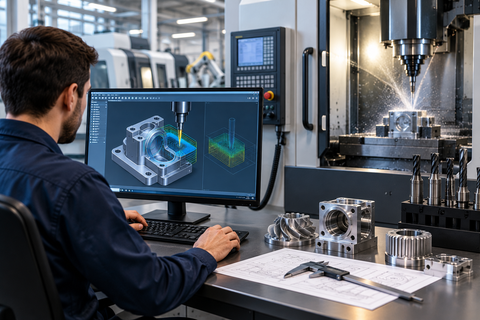
Computer-aided design programs help engineers design curved metal structures before fabrication. These tools allow simulation of bending processes and calculation of structural dimensions.
Examples include:
- AutoCAD for technical drawings and design planning
- SolidWorks for modeling structural components and assemblies
Engineering calculation tools
Engineers often use calculation tools to estimate bending forces and material behavior. These tools can help determine appropriate roller pressure or bending radius.
Examples include:
- Structural engineering calculators available on engineering websites
- Spreadsheet templates used to estimate bending forces
- Material property databases used in mechanical design
Technical knowledge resources
Educational materials and technical standards help operators understand machine operation and safety requirements.
Useful sources include:
- Engineering textbooks on metal forming processes
- Industrial training manuals
- Technical standards published by international engineering organizations
These resources support safe and accurate operation of bending equipment.
FAQs
What is a section bending machine used for?
A section bending machine is used to curve metal sections such as pipes, beams, and tubes into controlled shapes. These machines gradually apply pressure through rollers to form arcs or circular components used in structural and industrial applications.
How do section bending machines work?
Section bending machines use a roller system that guides the metal section through adjustable rollers. As the rollers apply pressure, the material bends gradually until it reaches the desired curvature.
What affects the accuracy of section bending machines?
Accuracy depends on several factors, including roller alignment, material thickness, metal elasticity, and pressure control. Proper calibration and measurement tools help maintain consistent bending results.
What industries use section bending machines?
Industries that commonly use section bending machines include construction, transportation manufacturing, energy infrastructure, and metal fabrication. These industries often require curved structural components.
Can different metals be processed using section bending machines?
Yes. Section bending machines can process metals such as structural steel, aluminum, stainless steel, copper, and brass. The bending parameters must be adjusted depending on the metal's strength and flexibility.
Conclusion
Section bending machines are important tools in modern metal fabrication. They allow structural sections to be curved with controlled pressure and consistent geometry. By combining mechanical rollers, hydraulic systems, and digital controls, these machines help create curved components used in construction, infrastructure, and industrial equipment. Their accuracy and adaptability make them valuable for both automated manufacturing and custom fabrication processes.