Smart Lighting Basics: Explanation, Knowledge, and Informative Help to Improve Understanding
Smart lighting basics refer to the foundational concepts behind modern lighting systems that can be controlled through digital technology. Unlike traditional lighting that relies on simple switches, smart lighting systems often connect to wireless networks and allow lights to be adjusted through mobile applications, voice assistants, or automated schedules. These systems typically include smart bulbs, connected switches, sensors, and centralized hubs that communicate through technologies such as Wi-Fi, Bluetooth, or Zigbee.
The idea behind smart lighting emerged as part of the broader development of connected home technology. As internet-enabled devices became more common, lighting manufacturers began integrating connectivity and automation features into lighting products. This allowed lighting systems to respond to environmental conditions, user preferences, and scheduled routines.
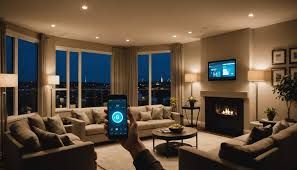
Understanding smart lighting basics helps people see how lighting technology has evolved from basic electrical circuits to intelligent systems capable of adapting to daily routines. The goal of these systems is not simply illumination, but improved control, efficiency, and adaptability within homes, workplaces, and public spaces.
Smart lighting also connects with broader technological movements such as smart homes, energy-efficient building design, and automation systems. As a result, learning the explanation and knowledge behind smart lighting systems can help readers understand how modern lighting technologies function within connected environments.
Importance
Lighting plays a major role in daily life, influencing visibility, safety, comfort, and energy consumption. Traditional lighting systems typically operate in a fixed way: lights are turned on or off manually and remain unchanged unless someone interacts with them. Smart lighting introduces flexible control, which allows lighting conditions to adapt automatically.
One important reason smart lighting matters today is energy awareness. Many households and buildings are looking for ways to manage electricity use more effectively. Smart lighting systems can adjust brightness levels, schedule lighting operation, or turn lights off automatically when rooms are not occupied.
Another factor is convenience and accessibility. Smart lighting technologies can support people who prefer simplified control over home environments. For example, individuals may use mobile devices or voice commands to manage lights in different rooms without physically reaching a switch.
Smart lighting also contributes to modern building design. Architects and urban planners increasingly consider intelligent lighting systems when designing homes, offices, and public infrastructure.
Some common ways smart lighting can influence daily environments include:
- Automated lighting schedules that adjust based on time of day
- Motion sensors that activate lights when movement is detected
- Remote control through mobile applications
- Integration with smart home systems that coordinate lighting with temperature or security systems
- Adjustable brightness and color settings that create different indoor atmospheres
The knowledge behind these features helps readers understand how smart lighting systems support both practical and environmental goals.
Recent Updates
Smart lighting technology has continued to evolve in recent years as digital connectivity becomes more widespread. Several developments have influenced how smart lighting systems operate and integrate with other technologies.
One noticeable trend is improved compatibility between devices from different manufacturers. New communication standards allow smart bulbs, switches, and sensors from multiple brands to work together within the same network. This reduces technical barriers that previously limited device compatibility.
Another development is the growth of energy-efficient lighting technologies. Smart lighting systems increasingly rely on LED technology, which uses less electricity compared with older lighting methods such as incandescent bulbs. LEDs also allow precise brightness control and color adjustment, making them suitable for automated lighting environments.
Voice control has also become a common feature within smart lighting systems. Voice-enabled assistants can connect with lighting networks, allowing users to adjust brightness levels or activate lighting scenes through spoken commands.
Advances in automation have further expanded the capabilities of smart lighting. Lighting systems can now respond to environmental conditions such as daylight levels, occupancy patterns, or time-based routines.
The following table summarizes some recent developments associated with smart lighting technologies.
| Development Area | Description |
|---|---|
| Device Compatibility | New standards enable lighting devices from different manufacturers to communicate within one network |
| Energy Efficiency | LED-based lighting supports adjustable brightness and lower electricity consumption |
| Voice Interaction | Integration with voice-enabled assistants allows hands-free lighting control |
| Automation Features | Sensors and scheduling tools allow lighting systems to respond to movement or time patterns |
| Smart Home Integration | Lighting systems can coordinate with climate, security, and home automation platforms |
These developments demonstrate how smart lighting continues to evolve alongside broader digital technologies.
Laws or Policies
Lighting technologies are influenced by various energy and electrical regulations designed to improve safety and efficiency. Governments and regulatory organizations often establish guidelines related to electrical standards, product labeling, and energy efficiency requirements.
In many countries, lighting equipment must comply with electrical safety standards to ensure safe operation within homes and buildings. These standards typically regulate factors such as voltage compatibility, electrical insulation, and product certification.
Energy efficiency policies also affect lighting systems. Governments encourage the use of lighting technologies that reduce electricity consumption. Regulations sometimes limit the production or distribution of less efficient lighting technologies while encouraging energy-efficient alternatives such as LED lighting.
Building regulations may also influence smart lighting systems. In some regions, energy-efficient building codes require structures to include lighting systems that reduce electricity usage through automated controls or daylight integration.
Environmental policies also play a role. Energy conservation programs aim to reduce electricity demand by encouraging efficient lighting technologies in residential and commercial spaces.
Understanding these policies helps readers recognize how regulations shape the development and adoption of smart lighting technologies in different regions.
Tools and Resources
Various tools and informational resources help individuals understand and manage smart lighting systems. These tools may assist with device configuration, energy monitoring, or lighting automation.
Several categories of resources are commonly associated with smart lighting knowledge.
Mobile Applications
Many smart lighting systems include mobile applications that allow users to control lighting settings from smartphones or tablets. These applications often provide features such as brightness adjustment, lighting schedules, and automation settings.
Examples include applications associated with smart lighting ecosystems such as:
- Google Home
- Apple Home
- Amazon Alexa
These platforms allow lighting devices to integrate with other connected home technologies.
Energy Monitoring Platforms
Energy monitoring tools help individuals understand how lighting contributes to electricity usage. Some platforms provide dashboards that display energy consumption patterns, helping users observe how lighting systems operate throughout the day.
Examples of energy-related informational platforms include:
- Energy Star guidance resources
- Building energy calculators available through environmental organizations
- Smart meter dashboards provided by electricity utilities
Lighting Configuration Tools
Lighting configuration tools allow users to create automated routines within smart lighting systems. These tools may include:
- Scene configuration systems that control multiple lights simultaneously
- Scheduling tools that activate lighting at specific times
- Sensor-based automation that adjusts lighting when rooms are occupied
These resources support a deeper understanding of how smart lighting systems operate within connected environments.
FAQs
What are smart lighting basics?
Smart lighting basics refer to the foundational concepts behind connected lighting systems that can be controlled through wireless networks, mobile applications, sensors, or automation settings. These systems allow lighting to adapt to user preferences or environmental conditions.
How does a smart lighting system work?
A smart lighting system usually includes connected bulbs, switches, sensors, and control software. These components communicate through wireless protocols such as Wi-Fi, Bluetooth, or Zigbee, allowing lights to be adjusted remotely or automatically.
Why is knowledge about smart lighting important?
Knowledge about smart lighting helps individuals understand how modern lighting technology functions within homes and buildings. This understanding supports informed decisions about lighting efficiency, automation, and digital connectivity.
Can smart lighting improve energy efficiency?
Smart lighting can contribute to energy efficiency by allowing lights to dim, turn off automatically, or operate according to schedules. Many systems rely on LED technology, which typically uses less electricity compared with older lighting methods.
Are smart lighting systems compatible with smart home platforms?
Many smart lighting systems are designed to connect with smart home platforms. These platforms allow lighting to interact with other connected devices, including climate controls and security systems.
Conclusion
Smart lighting represents an important development in modern lighting technology. By combining digital connectivity with energy-efficient lighting systems, smart lighting allows greater flexibility in how illumination is managed within homes and buildings. Understanding smart lighting basics helps readers recognize how automation, sensors, and mobile applications contribute to lighting control. As smart home technology continues to develop, knowledge of these systems provides useful insight into how connected environments function.