Smart Parking Systems: Technologies, Benefits and Insights
Finding a parking space in busy cities can be challenging. Drivers often spend valuable time searching for available spots, which can increase traffic congestion, fuel consumption, and frustration.
As urban populations grow and vehicle ownership continues to increase, cities are looking for more efficient ways to manage parking resources.
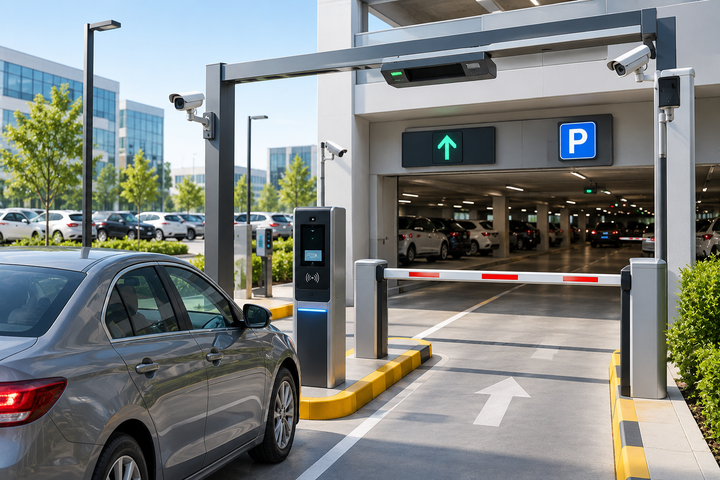
Smart parking systems use advanced technologies such as sensors, cameras, wireless communication, artificial intelligence, and data analytics to improve parking management. These systems help drivers locate available spaces, support traffic flow, and provide real-time information to parking operators and city planners.
As part of modern smart city infrastructure, smart parking systems are becoming an important component of urban mobility and transportation management.
Quick Facts Table
| Topic | Purpose | Key Technologies | Main Benefits | Common Applications |
|---|---|---|---|---|
| Smart Parking Systems | Improve parking management and space utilization | Sensors, cameras, AI analytics, mobile apps, IoT devices, cloud platforms | Reduced congestion, better space usage, improved user experience | Cities, airports, shopping centers, campuses, hospitals |
What Are Smart Parking Systems?
Smart parking systems are technology-driven solutions that monitor, manage, and optimize parking spaces using connected devices and intelligent data analysis.
These systems collect information about parking availability and provide real-time updates to drivers, facility managers, and transportation authorities. By improving visibility into parking occupancy, smart parking technologies help reduce unnecessary vehicle movement and support more efficient transportation systems.
Why Are Smart Parking Systems Important?
Parking challenges affect drivers, businesses, and city infrastructure. Inefficient parking management can contribute to congestion, delays, and increased emissions.
Smart parking systems help address these issues by:
- Improving parking space utilization
- Reducing traffic congestion
- Supporting urban mobility
- Enhancing driver convenience
- Improving operational visibility
- Supporting smart city initiatives
- Reducing environmental impact
- Enabling data-driven planning
Smart Parking Facts
- Urban areas continue to experience increasing vehicle density.
- Smart city initiatives frequently include intelligent parking technologies.
- Real-time parking information improves driver decision-making.
- Sensor-based monitoring enhances parking visibility.
- Artificial intelligence supports occupancy analysis and forecasting.
- Connected transportation infrastructure is expanding globally.
Major Smart Parking Technologies
- Parking Sensors
- Camera-Based Monitoring
- Artificial Intelligence Analytics
- Internet of Things (IoT) Devices
- Mobile Parking Applications
- Automated Parking Systems
- License Plate Recognition
- Cloud-Based Management Platforms
- Smart Meters
- Digital Signage Systems
- Occupancy Detection Technologies
- Traffic Analytics Platforms
Technology Comparison Table
| Technology | Deployment Complexity | Scalability | Operational Impact |
|---|---|---|---|
| Parking Sensors | Medium | High | High |
| AI Analytics | Medium | High | High |
| Camera Monitoring | Medium | High | High |
| Automated Parking Systems | High | Medium | High |
| License Plate Recognition | Medium | High | Medium |
| Smart Meters | Low | High | Medium |
Understanding the Concept
Traditional parking management often relies on manual monitoring and limited visibility into parking occupancy. Smart parking systems introduce automation and real-time monitoring capabilities.
By collecting data from sensors, cameras, and connected devices, these systems can determine whether parking spaces are occupied or available. The information is then processed and shared through digital platforms, mobile applications, and management dashboards.
This data-driven approach improves efficiency and supports better parking decisions.
What Is a Smart Parking System?
A smart parking system is an intelligent parking management solution that uses connected technologies to monitor parking occupancy, guide drivers to available spaces, and improve parking operations.
What Is Parking Occupancy Detection?
Parking occupancy detection is the process of determining whether a parking space is occupied or vacant using sensors, cameras, or other monitoring technologies.
What Is Automated Parking?
Automated parking refers to technology-assisted parking processes that help optimize vehicle placement and space utilization.
What Is License Plate Recognition?
License plate recognition uses cameras and image-processing technologies to identify vehicle registration information automatically.
Key Features and Core Components
Modern smart parking systems typically include:
- Occupancy sensors
- Camera systems
- Wireless communication networks
- Mobile applications
- Data analytics platforms
- Artificial intelligence tools
- Smart meters
- Digital signage
- Parking management dashboards
- Traffic monitoring technologies
- Cloud-based infrastructure
- Security monitoring systems
Smart Parking Architecture
A typical smart parking environment follows this structure:
Parking Space → Sensor or Camera → Communication Network → Analytics Platform → Management Dashboard → Driver Information System
Architecture Explanation
Sensors and cameras monitor parking spaces continuously. Data is transmitted through communication networks to analytics platforms, where occupancy information is processed.
The processed information is then displayed through mobile applications, digital signs, and management dashboards, helping users and operators make informed decisions.
Equipment Categories Table
| Equipment Category | Examples |
|---|---|
| Detection Devices | Parking Sensors, Cameras |
| Communication Systems | Wireless Gateways, Network Devices |
| Analytics Technologies | AI Analytics, Occupancy Platforms |
| User Interfaces | Mobile Apps, Digital Signage |
| Access Management | License Plate Recognition Systems |
| Monitoring Systems | Dashboards, Reporting Platforms |
Main Types of Smart Parking Systems
Sensor-Based Parking Systems
These systems use ground-mounted or overhead sensors to detect vehicle presence.
Camera-Based Parking Systems
Cameras monitor parking areas and use image analysis technologies to determine occupancy.
Automated Parking Systems
Automated systems improve parking efficiency through technology-assisted vehicle storage and retrieval processes.
Smart Meter Systems
Smart meters provide digital parking management and occupancy tracking capabilities.
How Smart Parking Systems Work
- Sensors or cameras monitor parking spaces.
- Occupancy information is collected continuously.
- Data is transmitted through communication networks.
- Analytics platforms process occupancy information.
- Available parking spaces are identified.
- Information is displayed through mobile applications and signage.
- Drivers receive guidance to available spaces.
- Operators monitor performance through management dashboards.
Benefits and Advantages
Smart parking technologies provide several benefits:
- Reduced parking search time
- Improved traffic flow
- Better space utilization
- Enhanced operational visibility
- Improved user convenience
- Support for smart city initiatives
- Reduced vehicle congestion
- Better data collection
- Improved parking management
- Enhanced transportation planning
- Increased operational efficiency
- Improved environmental sustainability
Industry Applications
Smart Cities
Cities use intelligent parking technologies to improve urban mobility and traffic management.
Airports
Airports utilize smart parking systems to improve visitor convenience and operational efficiency.
Shopping Centers
Retail facilities use parking analytics to improve customer experiences and parking availability.
Healthcare Facilities
Hospitals use intelligent parking systems to support patients, visitors, and staff.
Educational Campuses
Universities implement smart parking technologies to manage vehicle movement and parking resources.
Corporate Facilities
Business campuses use parking management platforms to improve transportation planning.
Real-World Examples and Applications
Example: Airport Parking Management
An airport uses occupancy sensors and digital signage to direct drivers toward available parking areas.
Example: University Campus Parking
A university utilizes mobile applications and real-time occupancy monitoring to help students locate available spaces.
Example: Smart City Parking Network
A city deploys sensors and analytics platforms across public parking locations to improve parking visibility and reduce congestion.
Important Factors to Consider
When evaluating smart parking systems, organizations should consider:
- Infrastructure compatibility
- Scalability requirements
- Data accuracy
- Security considerations
- Communication reliability
- Environmental conditions
- Maintenance requirements
- User accessibility
- Integration capabilities
- Long-term operational goals
Common Challenges and Solutions
| Challenge | Impact | Solution |
|---|---|---|
| Limited Visibility | Parking Delays | Real-Time Monitoring |
| Traffic Congestion | Increased Travel Time | Occupancy Guidance Systems |
| Data Accuracy Issues | Operational Inefficiencies | Advanced Sensors |
| Infrastructure Limitations | Deployment Challenges | Scalable Technologies |
| System Maintenance | Performance Concerns | Preventive Maintenance |
Best Practices for Smart Parking Systems
- Monitor occupancy continuously.
- Maintain sensor accuracy.
- Update parking information regularly.
- Strengthen cybersecurity measures.
- Evaluate communication reliability.
- Use analytics for planning decisions.
- Train operational personnel.
- Review system performance periodically.
- Support accessibility requirements.
- Plan for future scalability.
Future Trends and Industry Insights
Several emerging technologies are shaping the future of smart parking.
Artificial Intelligence Integration
AI technologies are improving occupancy forecasting and parking optimization.
Connected Vehicle Technologies
Connected vehicles may increasingly communicate directly with parking infrastructure.
Autonomous Vehicle Support
Future parking environments may accommodate autonomous transportation systems.
Advanced Analytics
Data-driven insights will continue improving parking management and transportation planning.
Smart City Integration
Parking technologies will become more closely connected with broader urban mobility systems.
Edge Computing
Edge computing technologies can improve real-time data processing and system responsiveness.
Sustainable Transportation Support
Smart parking systems may increasingly support electric vehicle infrastructure and sustainable mobility initiatives.
Expert Insights
Smart parking systems are becoming an essential component of modern transportation infrastructure. By combining sensors, connectivity, analytics, and automation, these technologies help improve parking efficiency and support smarter urban mobility.
As cities continue investing in intelligent infrastructure, parking management technologies are expected to become more integrated with traffic management, public transportation, and connected mobility ecosystems.
Key Takeaways
- Smart parking systems improve parking visibility and management.
- Sensors and cameras help monitor parking occupancy.
- Real-time information supports better parking decisions.
- AI analytics improve operational insights.
- Smart parking contributes to reduced congestion.
- Connected infrastructure supports smart city initiatives.
- Mobile applications enhance user convenience.
- Future systems will become increasingly intelligent and connected.
Frequently Asked Questions (FAQ)
What is a smart parking system?
A smart parking system uses connected technologies to monitor and manage parking spaces more efficiently.
How do smart parking systems work?
They collect occupancy information through sensors and cameras and provide real-time updates to users and operators.
What technologies are used in smart parking?
Common technologies include sensors, cameras, AI analytics, IoT devices, and mobile applications.
What is parking occupancy detection?
It is the process of identifying whether a parking space is occupied or available.
What is license plate recognition?
License plate recognition automatically identifies vehicle registration information using cameras and image analysis.
How do smart parking systems reduce congestion?
They help drivers locate available spaces more quickly, reducing unnecessary vehicle movement.
What are the benefits of smart parking?
Benefits include improved efficiency, better space utilization, reduced congestion, and enhanced user convenience.
Where are smart parking systems used?
They are used in cities, airports, hospitals, campuses, shopping centers, and business facilities.
What role does AI play in smart parking?
AI helps analyze occupancy data, forecast demand, and improve parking management decisions.
Are smart parking systems part of smart cities?
Yes. Smart parking technologies are commonly integrated into broader smart city initiatives.
What challenges affect smart parking systems?
Challenges include infrastructure limitations, data accuracy, maintenance requirements, and communication reliability.
What is the future of smart parking?
Future systems are expected to utilize advanced analytics, connected vehicles, autonomous transportation support, and greater smart city integration.
Conclusion
Smart parking systems are transforming how parking spaces are monitored, managed, and utilized. Through the use of sensors, cameras, artificial intelligence, and connected infrastructure, these technologies help improve parking efficiency, reduce congestion, and support better transportation management.
As urban mobility continues to evolve, smart parking systems will play an increasingly important role in supporting intelligent transportation networks, smart city infrastructure, and data-driven mobility planning.