Third Party Logistics: Enterprise Solutions Guide
Third Party Logistics (3PL) has become an important part of modern supply chain management.
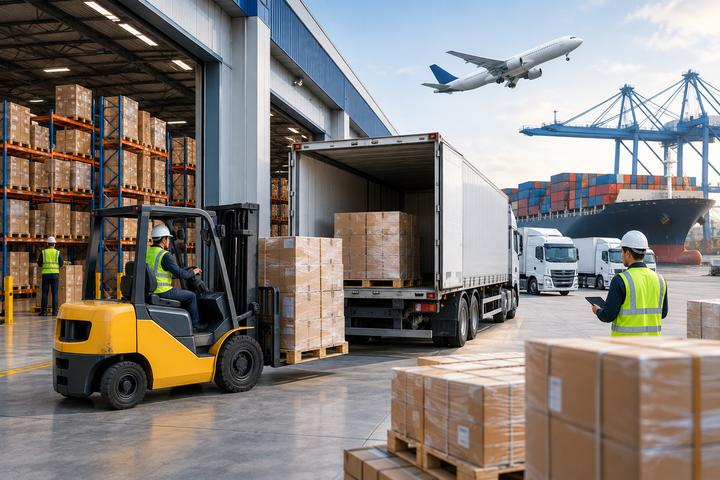
As global trade, e-commerce, manufacturing, and distribution networks continue to expand, organizations increasingly rely on specialized logistics partners to manage transportation, warehousing, inventory movement, and fulfillment operations. Third-party logistics providers typically handle functions such as warehousing, inventory management, transportation, shipping, receiving, and returns processing.
Modern enterprise logistics environments require visibility, scalability, operational efficiency, and real-time decision-making. Third-party logistics solutions help organizations coordinate complex supply chains while improving distribution performance and inventory management.
This article explains how third-party logistics works, the major enterprise solutions involved, industry applications, benefits, challenges, emerging technologies, and future trends shaping modern logistics networks.
Quick Facts Table
| Topic | Purpose | Key Components | Main Benefits | Common Applications |
|---|---|---|---|---|
| Third Party Logistics (3PL) | Manage transportation, warehousing, fulfillment, and distribution operations | Warehousing, Transportation Management, Inventory Management, Distribution Centers, Analytics Platforms | Supply Chain Visibility, Scalability, Operational Efficiency, Distribution Optimization | Manufacturing, Retail, Healthcare, Technology, Automotive, E-Commerce |
What Is Third Party Logistics?
Third Party Logistics (3PL) refers to the practice of outsourcing logistics and supply chain activities to specialized logistics organizations that manage transportation, warehousing, inventory handling, distribution, and related operations. A 3PL may manage a single logistics function or multiple integrated supply chain activities.
Why Is Third Party Logistics Important?
Modern supply chains involve numerous moving parts, including suppliers, distribution centers, transportation networks, inventory locations, and customer delivery requirements.
Third-party logistics solutions help organizations:
- Improve supply chain visibility
- Streamline inventory movement
- Support global distribution networks
- Enhance transportation efficiency
- Improve warehouse operations
- Increase operational flexibility
- Support demand fluctuations
- Strengthen supply chain resilience
Third Party Logistics Facts
- Global demand for third-party logistics continues to grow as supply chains become more complex.
- Transportation and warehousing remain core components of most 3PL operations.
- Advanced analytics and digital platforms are improving supply chain visibility.
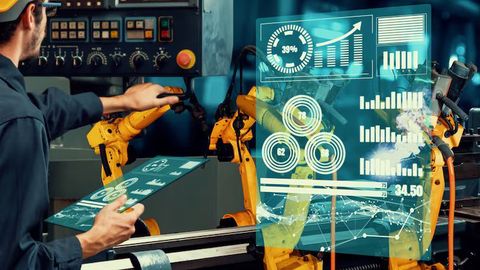
- Automation technologies are becoming increasingly common in logistics facilities.
- Real-time tracking improves operational awareness across distribution networks.
- Enterprise logistics increasingly relies on data-driven decision-making.
Understanding the Concept
A third-party logistics provider acts as an operational partner within the supply chain. Instead of managing every logistics activity internally, organizations utilize external logistics expertise and infrastructure to coordinate inventory movement, storage, transportation, and distribution.
Enterprise logistics solutions often integrate transportation management systems, warehouse management tools, inventory tracking platforms, analytics dashboards, and communication networks to create a connected supply chain ecosystem.
Enterprise Logistics Architecture
A typical enterprise logistics workflow follows this structure:
Supplier → Transportation Network → Distribution Center → Warehouse Operations → Order Processing → Distribution Network → Customer
Architecture Explanation
Products move from suppliers into transportation networks and distribution centers. Inventory is then stored, tracked, processed, and prepared for distribution.
Transportation management platforms coordinate shipment movement while warehouse systems manage inventory, storage, and fulfillment activities. Analytics platforms provide visibility across the entire logistics network.
Major Enterprise Logistics Solutions
- Transportation Management Systems
- Warehouse Management Platforms
- Inventory Management Systems
- Distribution Center Operations
- Freight Management Solutions
- Supply Chain Analytics
- Route Optimization Technologies
- Fleet Management Platforms
- Demand Forecasting Tools
- Automation Technologies
- Robotics Systems
- Real-Time Tracking Platforms
- Reverse Logistics Systems
- Cold Chain Management Technologies
Logistics Solutions Comparison Table
| Solution Type | Primary Function | Enterprise Impact |
|---|---|---|
| Transportation Management | Shipment Coordination | High |
| Warehouse Management | Inventory Control | High |
| Supply Chain Analytics | Operational Visibility | High |
| Fleet Management | Vehicle Monitoring | Medium |
| Route Optimization | Transportation Efficiency | High |
| Inventory Management | Stock Visibility | High |
| Automation Systems | Process Efficiency | High |
Main Types of Third Party Logistics
Transportation-Based Logistics
Transportation-focused providers manage freight movement across road, rail, air, and ocean transportation networks.
Warehouse-Based Logistics
Warehouse-focused operations manage inventory storage, order processing, distribution, and fulfillment activities.
Integrated Logistics Solutions
Integrated providers coordinate multiple supply chain functions through connected logistics platforms and centralized management systems.
Specialized Logistics Operations
Some logistics providers focus on specialized sectors such as healthcare logistics, cold chain operations, industrial distribution, and high-value goods transportation.
What Is Transportation Management?
Transportation management involves planning, executing, tracking, and optimizing freight movement across logistics networks.
These systems help organizations improve route planning, shipment visibility, carrier coordination, and transportation efficiency.
What Is Warehouse Management?
Warehouse management refers to the processes and technologies used to manage inventory storage, receiving, picking, packing, and distribution activities.
Effective warehouse operations improve inventory accuracy and operational productivity.
What Is Supply Chain Analytics?
Supply chain analytics uses operational data to improve logistics planning, forecasting, inventory management, and transportation performance.
Analytics platforms help organizations identify trends, inefficiencies, and optimization opportunities.
Key Features and Core Components
Modern enterprise logistics solutions include:
- Distribution centers
- Transportation networks
- Inventory visibility platforms
- Warehouse management tools
- Freight management systems
- Route optimization technologies
- Supply chain analytics
- Fleet monitoring platforms
- Automation systems
- Robotics technologies
- Real-time tracking solutions
- Demand planning tools
- Reporting dashboards
- Risk management frameworks
Industry Applications
Manufacturing
Manufacturers utilize third-party logistics to coordinate raw materials, production inventory, and finished goods distribution.
Retail
Retail organizations depend on logistics networks to manage inventory movement across stores and distribution centers.
Healthcare
Healthcare supply chains require reliable transportation, inventory visibility, and temperature-controlled logistics.
Technology
Technology organizations use logistics networks to distribute equipment, components, and consumer electronics.
Automotive
Automotive supply chains depend on coordinated inventory movement and just-in-time delivery processes.
Food and Beverage
Temperature-sensitive products require specialized logistics operations and cold chain infrastructure.
E-Commerce
Online commerce relies heavily on warehousing, fulfillment, transportation, and inventory management capabilities.
Industrial Distribution
Industrial sectors use enterprise logistics systems to manage equipment, materials, and spare parts distribution.
How Third Party Logistics Works
- Products arrive from suppliers.
- Inventory is received and stored in distribution facilities.
- Warehouse systems track inventory movement.
- Transportation platforms coordinate shipment planning.
- Orders are processed and prepared for distribution.
- Freight networks move products to destinations.
- Analytics platforms monitor operational performance.
- Logistics managers optimize network efficiency.
Benefits and Advantages
Enterprise logistics solutions provide numerous advantages:
- Improved supply chain visibility
- Enhanced inventory accuracy
- Better transportation coordination
- Greater operational scalability
- Improved warehouse productivity
- Stronger demand forecasting
- Faster decision-making
- Better resource utilization
- Enhanced customer fulfillment performance
- Increased logistics efficiency
- Improved network resilience
- Better performance monitoring
Real-World Examples
Example: Manufacturing Supply Chain
A manufacturing organization uses transportation management systems and warehouse platforms to coordinate raw material deliveries and finished product distribution.
Example: Global Retail Network
A retailer utilizes multiple distribution centers connected through inventory visibility platforms to support product availability across multiple regions.
Example: Healthcare Distribution
Healthcare logistics operations use tracking systems and cold chain technologies to maintain product integrity during transportation.
Important Factors to Consider
Organizations evaluating logistics solutions should consider:
- Network scalability
- Distribution coverage
- Inventory visibility
- Transportation capabilities
- Technology integration
- Data analytics capabilities
- Operational flexibility
- Risk management requirements
- Compliance obligations
- Performance measurement frameworks
Common Challenges and Solutions
| Challenge | Impact | Solution |
|---|---|---|
| Inventory Inaccuracy | Operational Delays | Real-Time Inventory Tracking |
| Transportation Disruptions | Delivery Delays | Route Optimization |
| Limited Visibility | Decision-Making Challenges | Supply Chain Analytics |
| Warehouse Congestion | Reduced Productivity | Warehouse Automation |
| Demand Fluctuation | Planning Complexity | Demand Forecasting Tools |
Third Party Logistics Best Practices
- Maintain accurate inventory records.
- Utilize real-time tracking technologies.
- Implement transportation optimization strategies.
- Monitor logistics performance metrics.
- Improve warehouse efficiency continuously.
- Strengthen supply chain visibility.
- Utilize analytics for decision-making.
- Enhance communication across logistics networks.
- Develop contingency planning frameworks.
- Review operational performance regularly.
Future Trends and Industry Insights
Artificial Intelligence in Logistics
AI technologies are helping improve forecasting, route planning, and operational optimization.
Warehouse Automation
Automation technologies are increasing efficiency across warehouse operations.
Robotics Integration
Robotics systems support inventory handling, sorting, and distribution activities.
Predictive Analytics
Advanced analytics improve forecasting accuracy and operational planning.
Internet of Things (IoT)
Connected sensors improve shipment visibility and asset tracking.
Digital Twin Technology
Digital twins help organizations simulate logistics operations and evaluate performance scenarios.
Sustainable Logistics
Organizations are increasingly focusing on environmentally conscious transportation and distribution practices.
Autonomous Transportation
Emerging autonomous technologies may influence future logistics operations and fleet management.
Expert Insights
Third-party logistics has evolved beyond traditional warehousing and transportation functions. Modern enterprise logistics solutions combine data analytics, automation, real-time visibility, intelligent monitoring, and integrated supply chain management.
As global supply chains become more interconnected, organizations increasingly depend on enterprise logistics platforms that provide operational transparency, flexibility, and resilience. Future logistics networks are expected to become more intelligent, automated, and data-driven.
Key Takeaways
- Third-party logistics supports transportation, warehousing, and distribution activities.
- Enterprise logistics improves supply chain visibility and operational efficiency.
- Transportation management and warehouse management are core logistics functions.
- Analytics platforms improve decision-making and forecasting.
- Automation technologies are transforming warehouse operations.
- Real-time visibility strengthens logistics performance.
- Integrated logistics solutions support complex supply chains.
- Future logistics networks will increasingly utilize AI, automation, and predictive analytics.
Frequently Asked Questions (FAQ)
What is third party logistics?
Third-party logistics is the outsourcing of transportation, warehousing, inventory management, and distribution functions to specialized logistics organizations.
What does 3PL mean?
3PL stands for Third Party Logistics.
How does third-party logistics work?
A logistics provider manages inventory storage, transportation, distribution, and related supply chain activities on behalf of an organization.
What is transportation management?
Transportation management involves coordinating shipment movement, routing, tracking, and freight planning.
What is warehouse management?
Warehouse management focuses on inventory storage, receiving, processing, and distribution operations.
What industries use third-party logistics?
Manufacturing, healthcare, retail, automotive, technology, industrial distribution, and e-commerce industries commonly utilize logistics solutions.
What is supply chain analytics?
Supply chain analytics uses operational data to improve planning, forecasting, and logistics performance.
What is inventory visibility?
Inventory visibility refers to the ability to track inventory levels and movement throughout the supply chain.
What is route optimization?
Route optimization helps determine efficient transportation routes and delivery schedules.
What is warehouse automation?
Warehouse automation uses technologies such as robotics and automated systems to improve operational efficiency.
What is reverse logistics?
Reverse logistics involves managing product returns, recycling, refurbishment, and recovery activities.
What is the future of third-party logistics?
The future of logistics includes AI, predictive analytics, automation, robotics, IoT, and intelligent supply chain technologies.
Conclusion
Third Party Logistics plays a critical role in modern enterprise supply chains by supporting transportation, warehousing, inventory management, and distribution operations. Advanced logistics solutions help organizations improve visibility, operational efficiency, inventory control, and supply chain performance.
As technology continues to transform logistics operations, enterprise solutions such as analytics platforms, automation technologies, intelligent monitoring systems, and connected supply chain networks will become increasingly important. Understanding these technologies provides valuable insight into the future of logistics management and enterprise supply chain operations.