Automated storage systems are technology-based solutions designed to organize, store, and retrieve items within warehouses, factories, and distribution facilities. These systems combine mechanical equipment, computer controls, and storage structures to manage materials with minimal manual handling. As industries grow and supply chains become more complex, the need for structured and efficient storage methods has increased.
Historically, warehouses relied on manual shelving and human-operated equipment such as forklifts. While these methods still exist, automated storage systems have gradually become more common in modern facilities. By integrating sensors, software, and mechanical components, these systems can move items between storage locations and workstations with greater consistency.
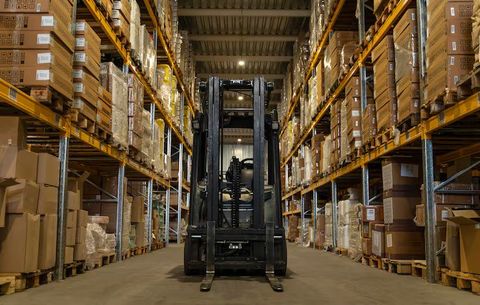
Automated storage systems are often part of broader warehouse automation strategies. They can include vertical lift modules, automated storage and retrieval systems (AS/RS), shuttle systems, and robotic storage units. Each design focuses on organizing space efficiently while enabling controlled movement of stored items.
In simple terms, automated storage systems help facilities manage large quantities of materials in a structured and organized way. They support inventory tracking, reduce manual movement, and help maintain consistent storage processes.
Importance
The growing demand for faster distribution and organized inventory management has made automated storage systems increasingly relevant. Warehouses, manufacturing plants, and logistics centers handle large volumes of goods, and manual processes alone can create delays or inefficiencies.
Automated storage systems address several common operational challenges:
- Limited warehouse space and the need for vertical storage
- Frequent movement of items within facilities
- Complex inventory tracking requirements
- Safety concerns related to manual lifting or equipment operation
By organizing storage into structured locations and using automated movement mechanisms, these systems help facilities manage inventory more systematically.
For example, automated storage systems allow items to be stored vertically in tall storage units. This approach uses available building height more effectively compared to traditional shelving. It also reduces the distance workers must travel when retrieving materials.
Another important factor is accuracy in inventory management. Automated storage systems often integrate with warehouse management software, allowing facilities to record the location and movement of items automatically. This can support inventory visibility and reduce errors related to misplaced materials.
Many industries rely on automated storage systems, including:
- Manufacturing and assembly operations
- Pharmaceutical and laboratory environments
- E-commerce distribution centers
- Automotive parts storage facilities
- Electronics component warehouses
These systems support organized material flow and structured storage environments across various sectors.
Recent Updates
Between 2024 and 2026, several technological developments have influenced the design and operation of automated storage systems. Many of these changes focus on improved connectivity, smarter control systems, and flexible storage structures.
One noticeable trend involves the integration of automated storage systems with advanced warehouse software platforms. These platforms allow real-time monitoring of inventory movement, equipment performance, and storage capacity.
Another development is the growing use of modular storage units. Instead of building a single large system, facilities may install multiple smaller automated storage modules that can be expanded over time. This approach allows organizations to adjust storage infrastructure as operational requirements change.
Artificial intelligence and data analytics are also becoming part of warehouse automation environments. These technologies can analyze storage patterns, predict inventory movement, and assist with system optimization. While the core mechanical structure of automated storage systems remains similar, the software layer has become increasingly sophisticated.
Robotic technologies have also expanded in warehouse environments. Autonomous mobile robots can transport items between automated storage systems and workstations. This integration helps coordinate movement throughout the facility.
Sustainability considerations are another emerging topic. Some modern automated storage systems include energy-efficient motors, optimized lighting controls, and improved space utilization strategies. These developments reflect broader industry interest in reducing environmental impact.
Laws or Policies
Automated storage systems operate within broader industrial safety and equipment regulations. Governments and regulatory bodies establish guidelines to ensure that automated equipment operates safely in workplaces.
In India, industrial automation systems are influenced by several regulatory frameworks related to workplace safety, electrical standards, and machinery operation. Organizations involved in warehouse automation must follow guidelines under the Factories Act and other workplace safety regulations that define safe operating conditions.
Equipment installed in industrial environments must also comply with electrical and mechanical standards established by organizations such as the Bureau of Indian Standards (BIS). These standards help ensure that automated systems meet safety and reliability requirements.
In addition, workplace safety guidelines issued by regulatory authorities often include requirements related to:
- Equipment guarding and protective barriers
- Emergency stop mechanisms
- Safe maintenance procedures
- Worker training for automated equipment environments
International guidelines can also influence automated storage systems used in global supply chains. Standards from organizations such as the International Organization for Standardization (ISO) address topics like safety of industrial machinery, automated warehouse systems, and risk management procedures.
Compliance with these rules helps facilities operate automated storage systems within structured safety frameworks.
Tools and Resources
Various digital tools and software platforms support the planning, design, and operation of automated storage systems. These tools help engineers, warehouse planners, and logistics managers analyze storage capacity, layout efficiency, and inventory flow.
Some commonly used categories of tools include:
- Warehouse Management Systems (WMS): Software platforms that track inventory locations, storage movements, and order processing activities.
- Warehouse Control Systems (WCS): Systems that coordinate equipment operations within automated storage systems and control the movement of materials.
- Simulation software: Programs that allow planners to test warehouse layouts and automated storage designs before installation.
- Inventory tracking platforms: Tools that use barcode scanning, sensors, or RFID technology to monitor item locations.
These tools help facilities coordinate the mechanical components of automated storage systems with digital inventory records.
The following table shows common types of automated storage systems and their typical characteristics.
| Automated Storage System Type | Key Features | Typical Applications |
|---|---|---|
| Vertical Lift Modules | Vertical storage trays retrieved automatically | Small parts storage |
| Automated Storage and Retrieval Systems (AS/RS) | Computer-controlled cranes moving items in storage aisles | Large warehouse environments |
| Shuttle Systems | Motorized shuttles transporting bins within racks | High-density storage facilities |
| Carousel Systems | Rotating shelves that bring items to a workstation | Component storage and assembly lines |
| Robotic Storage Systems | Mobile robots retrieving bins from storage grids | E-commerce fulfillment centers |
These systems differ in size, structure, and operational design, but all share the goal of organizing storage and improving material movement within facilities.
FAQs
What is an automated storage system?
An automated storage system is a structured storage solution that uses mechanical equipment and computer controls to store and retrieve materials. These systems are commonly used in warehouses and manufacturing facilities to manage inventory in an organized way.
How do automated storage and retrieval systems work?
Automated storage and retrieval systems use computer-controlled machines such as cranes, lifts, or shuttles to move items between storage locations and access points. Software systems track item locations and direct the equipment to retrieve or store materials.
What are the advantages of automated storage systems in warehouses?
Automated storage systems help organize inventory, reduce manual movement, and use vertical storage space efficiently. They also support inventory tracking through integration with warehouse management software.
Are automated storage systems used in manufacturing facilities?
Yes, manufacturing environments often use automated storage systems to manage components, raw materials, and finished products. These systems help coordinate material flow between storage areas and production workstations.
What industries use automated storage and retrieval systems?
Automated storage and retrieval systems are used across multiple industries, including manufacturing, pharmaceuticals, electronics, automotive parts storage, and large distribution centers.
Conclusion
Automated storage systems play an important role in modern warehouse and manufacturing environments. By combining mechanical equipment with computer control systems, these technologies organize storage space and manage the movement of materials. Their use has expanded as supply chains grow more complex and facilities handle increasing volumes of inventory.
Recent technological developments have introduced improved software integration, modular storage structures, and robotic coordination. At the same time, regulatory standards and workplace safety guidelines continue to shape how automated equipment is installed and operated. Understanding the design, working principles, and operational benefits of automated storage systems provides useful insight into how modern logistics and industrial storage environments function.