Guide to Indoor Air Purification Systems: Basics, Explanation, and Informative Tips
Indoor air purification systems are technologies designed to improve the quality of air inside homes, offices, schools, and other enclosed spaces. These systems remove or reduce airborne particles such as dust, pollen, smoke, and certain microscopic pollutants that may accumulate indoors. Because people spend a large portion of their daily time inside buildings, indoor air quality has become an important topic in environmental health discussions.
The concept of indoor air purification developed alongside advances in filtration science and ventilation design. Early filtration methods focused mainly on removing visible dust particles from the air. Over time, engineers and environmental researchers introduced more advanced filtration layers, activated carbon materials, and electronic purification methods capable of capturing much smaller airborne particles.
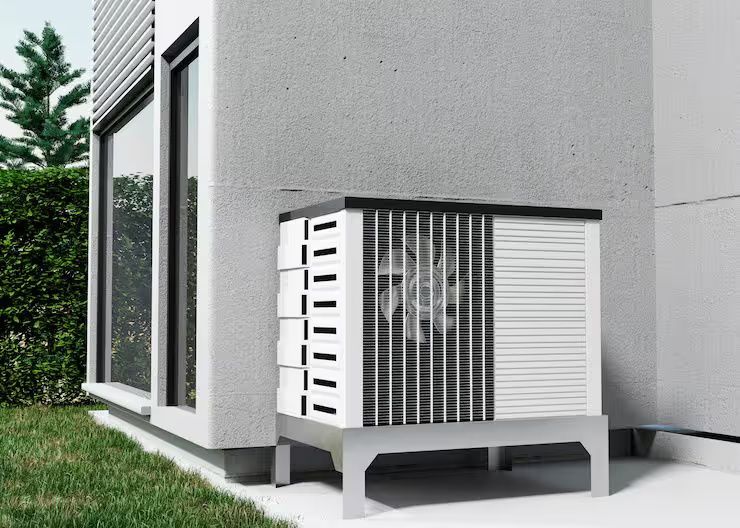
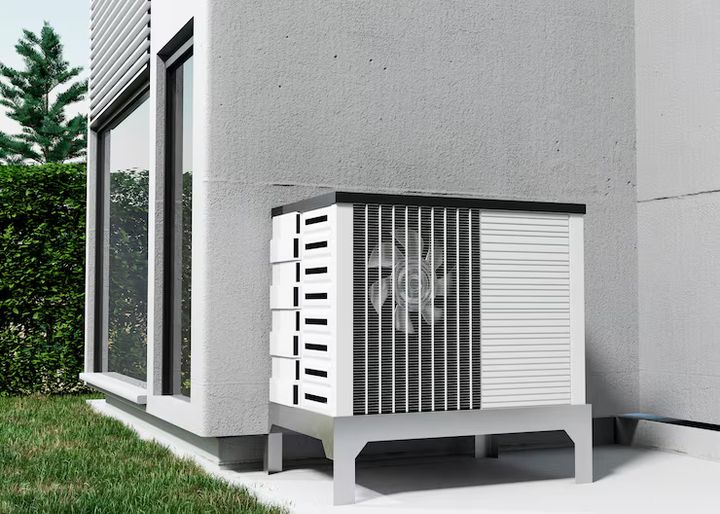
Indoor air purification systems now exist in several forms. Some are integrated into heating, ventilation, and air conditioning (HVAC) infrastructure, while others operate as standalone devices placed in rooms or workspaces. Their purpose is generally the same: to circulate indoor air through filtration or purification components and reduce the concentration of certain contaminants.
The increasing awareness of indoor environmental health has encouraged researchers, public health organizations, and building designers to examine how indoor air purification systems function and how they contribute to cleaner indoor environments.
Importance
Indoor air quality has a direct influence on comfort, health awareness, and building environments. Pollutants may accumulate indoors from various sources, including cooking activities, outdoor air entering through ventilation, cleaning chemicals, building materials, and dust particles carried on clothing or shoes.
Indoor air purification systems are often discussed in relation to common indoor air concerns such as:
- Particulate matter from dust and smoke
- Allergens such as pollen and pet dander
- Volatile organic compounds (VOCs) released from paints, furniture, and household products
- Mold spores and microorganisms present in humid environments
These pollutants can build up more easily in enclosed spaces with limited air circulation. As modern buildings become more energy efficient, they are often constructed with tighter seals that reduce outdoor air exchange. While this approach improves energy efficiency, it can also allow indoor pollutants to accumulate.
Different environments may have different indoor air purification needs. For example:
- Homes may experience dust, cooking smoke, and household product emissions
- Offices may contain emissions from equipment, furnishings, and cleaning supplies
- Schools may encounter allergens, dust, and crowded indoor environments
- Healthcare facilities often require stricter air filtration controls
Indoor air purification systems can be used as one component of a broader indoor air management strategy. Other factors such as ventilation, humidity control, and building maintenance also influence overall indoor air quality.
Common Components in Indoor Air Purification Systems
Many systems rely on multiple filtration stages to address different types of airborne particles.
Examples include:
- Mechanical filters: materials designed to capture solid particles as air passes through them
- Activated carbon filters: porous materials that absorb certain gases and odors
- Ultraviolet (UV) purification: technology used to disrupt microorganisms under controlled conditions
- Ionization methods: devices that release charged particles intended to influence airborne contaminants
Different designs combine these components in various ways depending on the application.
Example of Filtration Efficiency Levels
| Filtration Category | Typical Particle Size Captured | Common Applications |
|---|---|---|
| Basic mechanical filters | Larger dust particles | Household ventilation systems |
| Medium-efficiency filters | Dust, pollen, pet dander | Residential and office environments |
| High-efficiency filtration | Fine particles and smoke | Medical facilities and laboratories |
| Carbon-based filtration | Gases and odors | Indoor environments with chemical emissions |
This table provides general examples of how filtration systems target different types of airborne contaminants.
Recent Updates
Between 2024 and 2026, indoor air purification systems have continued to evolve alongside developments in smart home technology and environmental monitoring. Many modern systems now include integrated sensors that measure indoor air conditions such as particulate levels, humidity, and temperature.
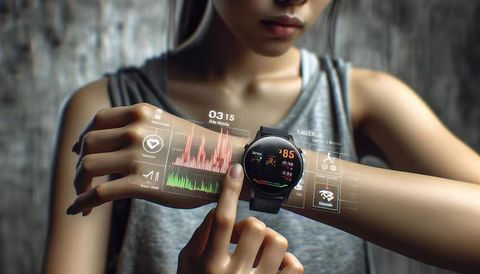
Digital monitoring tools allow users to observe changes in indoor air quality in real time. Some systems automatically adjust filtration speed or airflow based on sensor readings. This approach allows systems to respond dynamically to indoor conditions.
Another emerging trend is the integration of indoor air purification systems with broader building management platforms. In larger buildings, centralized control systems may monitor air quality across multiple rooms and adjust ventilation or filtration accordingly.
Research into filtration materials has also progressed. Scientists continue to study advanced filter media capable of capturing extremely small particles while maintaining efficient airflow. Some research focuses on reducing energy consumption associated with continuous air circulation.
Portable indoor air purification units have also become more widely used in homes, classrooms, and shared indoor spaces. These systems provide flexibility because they can be moved between rooms depending on air quality needs.
Overall, the general trend in indoor air purification technology is moving toward improved monitoring, smarter airflow control, and more efficient filtration materials.
Laws or Policies
Indoor air quality policies vary by country, but many governments provide general guidelines related to ventilation and building health standards. In India, several regulatory frameworks address environmental health and building design.
Organizations such as the Central Pollution Control Board and the Bureau of Indian Standards publish environmental and building guidelines that influence indoor air quality management practices.
Key regulatory areas related to indoor environments include:
- Air quality standards that address pollution levels in urban areas
- Building ventilation guidelines that support air circulation within structures
- Environmental monitoring programs that study pollution exposure
- Workplace safety regulations addressing indoor environmental conditions
India’s Air (Prevention and Control of Pollution) Act, 1981 focuses primarily on outdoor air pollution control, but the broader regulatory framework also contributes to discussions around environmental health and air quality awareness.
In addition to national guidelines, building design standards often include ventilation and filtration considerations. These standards help architects and engineers design buildings that support healthy indoor environments.
Many public health organizations also publish educational materials explaining indoor air pollution sources and potential mitigation strategies, including improved ventilation and air filtration technologies.
Tools and Resources
Several tools and informational resources help individuals and organizations understand indoor air purification systems and indoor air quality conditions.
Common resources include:
- Air quality monitoring devices that measure particulate levels and environmental conditions
- Online air quality indexes that track regional pollution levels
- Building ventilation calculators used in architecture and engineering
- Environmental health research portals that publish air quality studies
Examples of organizations and platforms that provide information about air quality include the World Health Organization and the United States Environmental Protection Agency. These organizations publish research, guidance documents, and public educational materials related to air pollution and indoor environmental health.
Mobile applications and digital dashboards are also increasingly used to track indoor environmental conditions. These tools can connect to sensors or monitoring devices and display real-time information about indoor air conditions.
Educational resources from universities and environmental research institutions also contribute to public understanding of indoor air purification systems. These resources often explain filtration principles, ventilation strategies, and indoor environmental science in accessible formats.
FAQs
What are indoor air purification systems?
Indoor air purification systems are technologies designed to reduce certain airborne particles and pollutants inside buildings. They typically circulate indoor air through filtration or purification components that capture or neutralize contaminants.
How do indoor air purification systems work?
Most indoor air purification systems operate by drawing indoor air through a series of filters or purification stages. Mechanical filters capture particles such as dust or pollen, while other components may target gases, odors, or microorganisms depending on system design.
Do indoor air purification systems remove all indoor pollutants?
Indoor air purification systems can reduce many types of airborne particles, but they do not eliminate every pollutant in all situations. Indoor air quality is influenced by multiple factors including ventilation, humidity levels, building materials, and outdoor pollution sources.
Where are indoor air purification systems commonly used?
Indoor air purification systems are commonly used in homes, offices, schools, healthcare facilities, and laboratories. Different environments may require different filtration levels depending on the types of airborne contaminants present.
How are indoor air purification systems different from ventilation systems?
Ventilation systems bring fresh outdoor air into a building and remove stale indoor air. Indoor air purification systems mainly focus on filtering or treating the air already present inside the building. Many buildings use both approaches together to manage indoor air quality.
Conclusion
Indoor air purification systems are designed to reduce certain airborne particles and pollutants within enclosed spaces. These systems operate using various filtration and purification methods that target dust, allergens, gases, and other contaminants.
Growing awareness of indoor environmental health has increased interest in technologies that monitor and manage air quality inside buildings. Developments in filtration materials, sensor technology, and smart monitoring platforms continue to shape the field.
While indoor air purification systems contribute to improved indoor air conditions, they are typically part of a broader indoor air management approach that includes ventilation, environmental monitoring, and building maintenance.