Guide to Modern Sleep Science: Basics, Explanation, and Informative Tips to Learn More
Modern sleep science is the field of research that studies how sleep works, why it is necessary, and how sleep patterns influence human health and daily functioning. Scientists from areas such as neuroscience, psychology, and medicine contribute to understanding sleep behavior and biological rhythms.
The Guide to Modern Sleep Science: Basics, Explanation, and Informative Tips to Learn More focuses on explaining how sleep functions in the body and mind. Sleep research has developed over decades as scientists observed patterns in brain activity, body temperature, and hormone cycles during rest.

Modern sleep science largely began in the twentieth century when researchers started using tools such as electroencephalography (EEG) to measure brain waves during sleep. These discoveries helped identify stages of sleep and explain why sleep cycles occur during the night.
Today, sleep science combines laboratory studies, wearable technology, and large population research. The goal is to understand how sleep duration, quality, and timing affect physical health, cognitive performance, and emotional balance.
Importance
Sleep plays a fundamental role in maintaining overall well-being. Modern sleep science explains how consistent sleep patterns help the brain process information, regulate emotions, and maintain metabolic balance.
Many people experience sleep-related challenges such as irregular sleep schedules, environmental disruptions, or stress-related sleep disturbances. These issues affect daily concentration, mood, and productivity.
Several groups are particularly influenced by sleep patterns, including:
- Students and learners, who rely on sleep for memory formation and concentration.
- Shift workers, whose schedules may disrupt natural circadian rhythms.
- Older adults, who often experience changes in sleep duration and timing.
- Technology users, who may encounter sleep disruption due to late-night screen exposure.
Research in modern sleep science highlights how lifestyle patterns, light exposure, and daily routines influence the body’s internal clock, also known as the circadian rhythm.
Understanding Sleep Stages
Sleep occurs in repeating cycles that include different stages. Each stage has distinct patterns of brain activity and physical responses.
| Sleep Stage | Key Characteristics | Typical Function |
|---|---|---|
| Light Sleep (Stage 1–2) | Slower brain activity and reduced body movement | Transition between wakefulness and deeper sleep |
| Deep Sleep (Stage 3) | Slow brain waves and physical relaxation | Physical restoration and immune support |
| REM Sleep | Rapid eye movement and increased brain activity | Memory processing and emotional regulation |
Modern sleep science shows that these stages repeat several times during a typical night, forming cycles that last approximately ninety minutes.
Recent Updates
Sleep research has expanded significantly in recent years due to advances in monitoring technologies and data analysis.
One noticeable trend between 2024 and 2026 is the increasing use of wearable devices and digital sleep tracking platforms. These devices measure metrics such as sleep duration, heart rate patterns, and nighttime movement. Although consumer devices provide general estimates rather than clinical diagnosis, they contribute to greater public awareness of sleep habits.
Another area of development involves research on circadian rhythms and environmental factors. Scientists continue studying how artificial lighting, work schedules, and global travel influence the body’s biological clock.
Key trends currently shaping modern sleep science include:
- Digital sleep monitoring tools, allowing individuals to observe sleep patterns over time.
- Research on light exposure, particularly how evening light affects melatonin production.
- Population-based sleep studies, which examine sleep habits across different regions and lifestyles.
- Interest in sleep education, encouraging better understanding of sleep cycles and daily routines.
Researchers also continue exploring connections between sleep patterns and broader health indicators such as mood stability, cognitive function, and metabolic regulation.
Laws or Policies
Sleep science research and sleep health practices are influenced by national health guidelines and workplace regulations in many countries. These frameworks aim to promote healthy working conditions and protect individuals from excessive fatigue.
In the United States, organizations such as the Centers for Disease Control and Prevention (CDC) publish public health guidance related to sleep duration and sleep habits. These recommendations encourage awareness about sleep as a component of overall health.
In the European Union, working time regulations limit excessive work hours and require rest periods between shifts. These policies acknowledge that insufficient rest may affect workplace safety and personal well-being.
Several countries also support research funding for sleep studies through public health agencies and scientific institutions. These programs contribute to ongoing investigation into sleep disorders, circadian rhythms, and sleep-related health outcomes.
Policies related to transportation and aviation industries often include fatigue management programs. These guidelines address the importance of rest periods for individuals responsible for operating vehicles or complex equipment.
Overall, public health policies emphasize sleep as part of broader wellness initiatives that include nutrition, physical activity, and mental health awareness.
Tools and Resources
A variety of tools and educational resources help individuals learn about sleep patterns and sleep science concepts. These tools support observation, education, and research in sleep behavior.
Sleep Tracking Applications
Many smartphone applications allow users to observe general sleep patterns by analyzing movement and sound during the night. These tools typically estimate sleep duration and provide summaries of nightly patterns.
Wearable Sleep Monitoring Devices
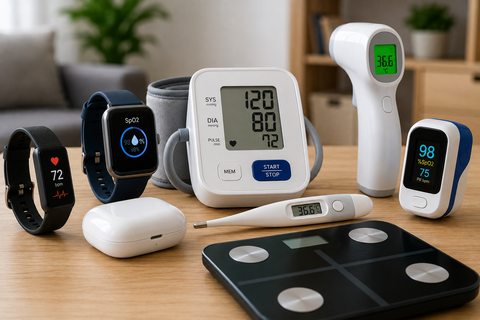
Wearable technology such as wrist-based trackers or smart rings measures indicators including heart rate variability and nighttime movement. These measurements help provide general insights into sleep timing and rest cycles.
Educational Websites and Research Platforms
Several organizations publish research findings and educational materials about sleep science. Examples include:
- National Sleep Foundation educational materials
- National Institutes of Health sleep research information
- World Health Organization public health resources
- University sleep research laboratories
Sleep Journals and Templates
Sleep journals are structured records where individuals track bedtime, wake time, and sleep quality over multiple days. This information helps identify patterns related to sleep timing and environmental factors.
Typical sleep journal entries may include:
- Bedtime and wake time
- Estimated sleep duration
- Nighttime interruptions
- Daytime energy levels
These tools are widely used in sleep education and research to observe patterns across different populations.
FAQs
What is modern sleep science?
Modern sleep science is the study of how sleep affects the body and mind. It includes research on sleep stages, circadian rhythms, brain activity during sleep, and the influence of lifestyle factors on sleep patterns.
Why is sleep important according to modern sleep science?
Modern sleep science explains that sleep helps regulate memory processing, emotional balance, and physical recovery. Sleep cycles allow the brain and body to perform different restorative functions throughout the night.
How do circadian rhythms relate to sleep science basics?
Circadian rhythms are internal biological clocks that regulate sleep and wake cycles over approximately twenty-four hours. Light exposure, daily routines, and environmental cues influence these rhythms.
What tools help people learn more about sleep patterns?
Several tools support learning about sleep habits, including sleep tracking applications, wearable monitoring devices, educational websites, and sleep journals that record nightly routines.
Can sleep patterns change over time?
Sleep patterns often change across different stages of life. Factors such as aging, work schedules, environmental conditions, and lifestyle habits may influence sleep duration and sleep timing.
Conclusion
Modern sleep science provides valuable insight into how sleep supports physical and mental processes. Research has identified sleep stages, circadian rhythms, and environmental influences that shape sleep patterns. Advances in monitoring technology and large-scale research continue to improve understanding of sleep behavior. Public health guidelines and educational resources also highlight the importance of sleep awareness in everyday life.