Prefabricated Structures Explained: Modular Design, Construction Methods, and Key Insights
Prefabricated structures are buildings or structural components that are manufactured in a controlled environment and later transported to a construction site for assembly. This construction approach differs from traditional methods, where most building activities take place directly on-site. Prefabricated structures typically involve modular design, where standardized sections or modules are created in advance and connected during installation.
The concept of prefabrication has existed for centuries, although modern technology has significantly refined the process. Early examples include portable shelters and military barracks that were produced in sections and assembled quickly in different locations. Over time, advancements in engineering, transportation, and manufacturing techniques have allowed prefabricated structures to become more precise and adaptable.
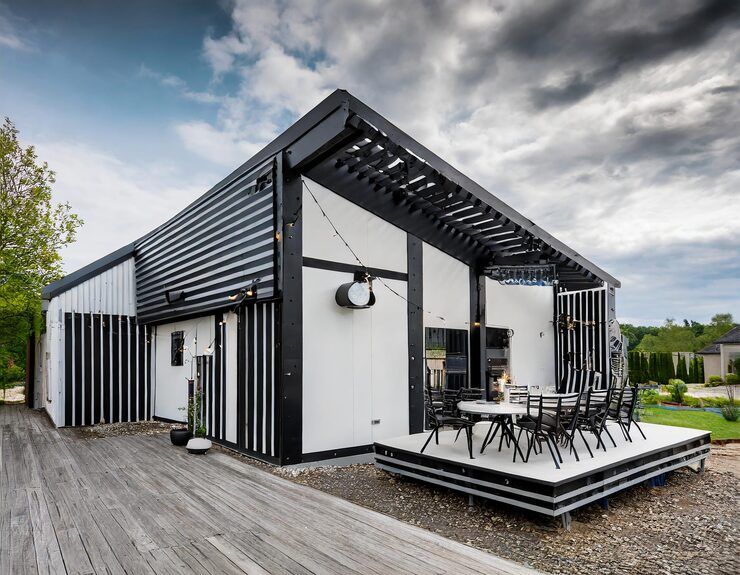
Today, modular design and prefabricated construction methods are used in a wide variety of buildings. Examples include residential housing, temporary facilities, industrial buildings, educational spaces, and healthcare units. These structures can be designed to meet many functional and architectural requirements while maintaining standardized construction principles.
Prefabrication generally involves three stages: component manufacturing, transportation, and on-site assembly. Structural elements such as wall panels, floor systems, roof modules, and utility units are manufactured in a factory setting. After production, the components are transported to the construction location where they are assembled into the final structure.
Importance
Prefabricated structures have gained attention in modern construction due to their ability to address several challenges associated with conventional building methods. Urban growth, infrastructure expansion, and the need for rapid construction solutions have increased interest in modular construction approaches.
One important aspect is construction efficiency. Manufacturing structural components in a controlled environment allows work to continue regardless of weather conditions. This can reduce delays that often occur during traditional on-site construction projects.
Another reason prefabricated structures matter today is resource management. Modular design enables more accurate measurement of materials during production, which can reduce excess material usage. Controlled manufacturing conditions also allow better quality monitoring during fabrication.
Prefabricated structures are also relevant in situations where rapid building deployment is needed. Examples include emergency housing after natural disasters, temporary healthcare facilities, and educational buildings in expanding communities. Because modules are prepared before arriving at the site, assembly can occur in a shorter timeframe compared to many conventional construction processes.
Additionally, modular construction methods support consistent structural performance because many components are manufactured using standardized processes. This consistency can help maintain uniform quality across multiple building units.
Recent Updates
Between 2024 and 2026, the development of prefabricated structures has continued to evolve through technological improvements and changes in construction practices. Several trends illustrate how modular design and prefabricated construction methods are being adapted for modern building needs.
One trend involves digital design integration. Construction professionals increasingly use digital modeling tools to plan modular buildings before manufacturing begins. These tools allow engineers and architects to simulate assembly processes, identify design adjustments, and coordinate structural components.
Another development relates to advanced manufacturing equipment used in prefabrication facilities. Automated cutting machines, robotic welding systems, and precision fabrication equipment allow more consistent production of structural modules.
Sustainability considerations have also influenced modular construction. Some prefabricated structures incorporate recyclable materials, energy-efficient insulation systems, and modular components designed for long-term adaptability.
There is also growing interest in hybrid construction systems. In these systems, prefabricated modules are combined with conventional building techniques. For example, a building may use prefabricated structural frames along with on-site finishing elements such as exterior cladding or interior partitions.
The following table summarizes common types of prefabricated construction methods used today.
| Prefabrication Method | Description | Common Applications |
|---|---|---|
| Panelized construction | Walls, floors, and roof panels manufactured separately and assembled on-site | Residential housing, small buildings |
| Modular construction | Fully finished modules transported and connected at the site | Apartments, schools, healthcare units |
| Precast concrete systems | Concrete elements cast in molds and transported for installation | Bridges, parking structures, infrastructure |
| Steel frame prefabrication | Structural steel sections manufactured and assembled during installation | Industrial buildings, warehouses |
Laws or Policies
Prefabricated structures are regulated through construction standards, building codes, and safety regulations. These rules ensure that modular buildings meet structural, environmental, and safety requirements similar to conventional buildings.
In India, building standards are guided by organizations such as the Bureau of Indian Standards. This organization develops technical standards related to structural design, materials, and construction practices that may apply to prefabricated building components.
Construction guidelines may also reference frameworks developed by the National Building Code of India. The code outlines safety principles, structural design considerations, fire protection measures, and environmental requirements for buildings.
Government initiatives related to urban infrastructure and housing have also influenced the adoption of prefabricated construction methods. Programs associated with the Ministry of Housing and Urban Affairs often encourage modern construction technologies, including modular building approaches, as part of broader infrastructure development strategies.
In many regions, prefabricated structures must meet the same approval processes required for conventional buildings. These processes can include structural verification, site inspection, compliance with environmental guidelines, and safety assessments.
Tools and Resources
Several digital platforms and technical resources help engineers, architects, and planners design and evaluate prefabricated structures. These tools support modular design planning, structural calculations, and project coordination.
Common resources include:
- Building information modeling platforms: Software such as Autodesk Revit helps visualize modular layouts and coordinate structural components in digital models.
- Computer-aided design systems: Programs like AutoCAD assist in preparing detailed drawings for prefabricated panels, modules, and structural frames.
- Structural analysis tools: Engineering platforms such as STAAD.Pro allow engineers to evaluate load distribution and structural stability.
- Project management platforms: Construction planning tools such as Procore help coordinate production schedules, transportation logistics, and on-site assembly stages.
In addition to software, educational resources such as technical guides, engineering publications, and construction research reports provide detailed information about prefabricated construction systems and modular building techniques.
FAQs
What are prefabricated structures?
Prefabricated structures are buildings or structural components manufactured in a controlled facility and assembled at the construction site. They often use modular design principles where standardized sections are produced before installation.
How does modular design work in prefabricated structures?
Modular design involves dividing a building into individual modules or components. Each module is manufactured separately and later connected during the assembly process to create the complete structure.
What types of buildings use prefabricated construction methods?
Prefabricated construction methods are used in residential housing, educational facilities, healthcare buildings, industrial structures, and temporary installations. The modular design approach allows different building types to be assembled using standardized components.
Are prefabricated structures durable?
When designed according to building standards and engineering guidelines, prefabricated structures can achieve structural performance comparable to conventional construction. The durability depends on materials, design specifications, and compliance with building regulations.
What are the advantages of modular construction methods?
Modular construction methods may support faster assembly timelines, consistent component manufacturing, and improved coordination during the construction process. These characteristics make prefabricated structures suitable for many building applications.
Conclusion
Prefabricated structures represent an approach to construction where building components are manufactured in controlled environments and assembled on-site. Modular design allows structures to be built using standardized sections that simplify planning and installation.
Advancements in digital design tools, automated manufacturing, and sustainable building materials continue to influence prefabricated construction methods. Regulations and building codes ensure that these structures meet safety and engineering requirements.
As infrastructure and housing needs evolve, prefabricated structures remain an important part of modern construction practices due to their adaptable design and efficient assembly processes.