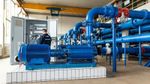
Smart Machines: Complete Guide to Intelligent Automation and Modern Industrial Technology
Smart machines are transforming industries by combining automation, artificial intelligence, sensors, and data analysis to perform tasks with greater accuracy and efficiency.
Unlike traditional machines that follow fixed instructions, smart machines can collect information, analyze conditions, and make decisions based on real-time data.
Today, smart machines are widely used in manufacturing, healthcare, agriculture, logistics, construction, retail, and transportation. They help improve productivity, reduce manual effort, enhance workplace safety, and support consistent operational performance.
As Industry 4.0 continues to expand, smart machines have become an essential part of modern industrial automation. This guide explains what smart machines are, how they work, their different types, practical applications, benefits, and future developments.
Understanding the Concept
A smart machine is an intelligent system that combines mechanical components with advanced technologies such as artificial intelligence (AI), machine learning, industrial sensors, computer vision, cloud computing, and the Internet of Things (IoT). These technologies allow machines to monitor conditions, process information, and respond automatically without constant human intervention.
Unlike conventional equipment that performs repetitive actions, smart machines continuously analyze operational data and adjust their performance when necessary.
For example, a smart manufacturing machine can detect production defects, alert operators, and automatically adjust settings to maintain product quality.
Key Types or Categories
Smart machines are available in several categories depending on their industrial applications.
Smart Manufacturing Machines
These machines automate production processes while monitoring quality and efficiency.
Common applications include:
- CNC machining
- Robotic assembly
- Packaging automation
- Material handling
- Quality inspection
Smart Agricultural Machines
Modern farming increasingly depends on intelligent equipment that improves productivity.
Examples include:
- Autonomous tractors
- Precision seed planters
- Smart irrigation systems
- Agricultural drones
- Crop monitoring equipment
Smart Healthcare Machines
Healthcare facilities use intelligent machines to improve patient care and operational efficiency.
Examples include:
- Medical imaging systems
- Robotic surgical equipment
- Patient monitoring devices
- Laboratory automation
- Diagnostic systems
Smart Warehouse Machines
Warehouses use automated equipment for inventory management and logistics.
These include:
- Automated guided vehicles
- Robotic picking systems
- Smart conveyor systems
- Inventory scanning equipment
- Automated storage systems
Smart Construction Equipment
Construction projects increasingly use intelligent machinery to improve safety and precision.
Examples include:
- GPS-guided excavators
- Autonomous construction vehicles
- Smart concrete equipment
- Site monitoring drones
- Digital surveying systems
Important Subsections
Artificial Intelligence
Artificial intelligence enables machines to recognize patterns, analyze information, and make intelligent decisions based on available data.
Industrial Sensors
Industrial sensors continuously measure factors such as:
- Temperature
- Pressure
- Vibration
- Speed
- Position
- Humidity
This information helps machines operate safely and efficiently.
Computer Vision
Computer vision allows machines to interpret visual information using cameras and image analysis.
Applications include:
- Product inspection
- Defect detection
- Object recognition
- Barcode reading
- Quality control
Internet of Things (IoT)
IoT technology connects machines through secure networks, allowing equipment to exchange operational information and support centralized monitoring.
Predictive Maintenance
Predictive maintenance analyzes equipment performance to identify potential issues before failures occur.
This approach helps reduce unexpected downtime and improves equipment reliability.
How It Works
Smart machines operate through a structured process.
Step 1: Data Collection
Industrial sensors collect real-time operational information from the machine and surrounding environment.
Examples include:
- Temperature readings
- Machine vibration
- Production speed
- Power consumption
- Equipment position
Step 2: Data Analysis
Artificial intelligence and machine learning analyze collected information to identify patterns, abnormalities, or opportunities for improvement.
Step 3: Decision Making
Based on the analysis, the machine determines the most appropriate action.
This may include:
- Adjusting operating speed
- Changing production settings
- Alerting operators
- Scheduling maintenance
- Correcting positioning
Step 4: Automated Action
The machine performs the required adjustment automatically while continuing normal operations.
Step 5: Continuous Learning
Machine learning improves future performance by analyzing previous operational data and outcomes.
Over time, the system becomes increasingly accurate and efficient.
Benefits and Advantages
Smart machines provide numerous advantages across many industries.
Improved Productivity
Automation enables continuous operation with minimal interruptions, increasing production efficiency.
Better Product Quality
Computer vision and intelligent monitoring help identify defects early, supporting consistent quality.
Reduced Downtime
Predictive maintenance identifies potential problems before equipment failures occur.
Enhanced Workplace Safety
Smart machines reduce direct human exposure to hazardous environments and dangerous machinery.
Greater Energy Efficiency
Intelligent systems optimize power consumption based on operational requirements.
Improved Decision Making
Real-time analytics provide managers with valuable operational insights for better planning.
Scalable Operations
Smart machines support production expansion without significantly increasing manual effort.
Better Resource Utilization
Automation minimizes material waste and improves production accuracy.
Real-World Examples or Applications
Smart machines are used in many industries.
Manufacturing
Factories use intelligent robots, CNC machines, automated inspection systems, and smart production lines.
Logistics
Distribution centers use automated guided vehicles, robotic sorting systems, and intelligent inventory management.
Agriculture
Farmers use smart tractors, crop-monitoring drones, precision irrigation, and automated harvesting equipment.
Healthcare
Hospitals use intelligent diagnostic equipment, robotic surgical systems, and patient monitoring technology.
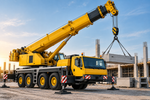
Construction
Construction companies use smart surveying equipment, autonomous machinery, and digital monitoring systems.
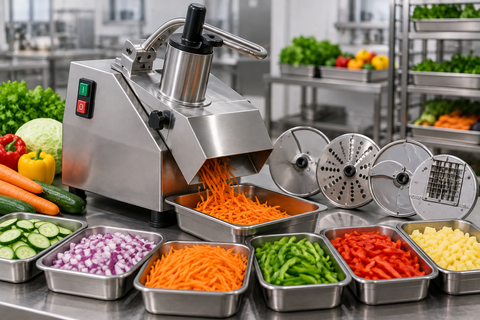
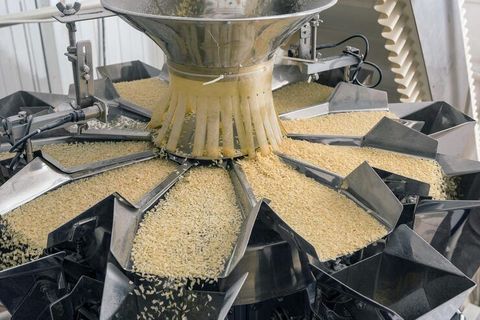
Food Processing
Food manufacturers use automated packaging, quality inspection, and production monitoring equipment.
Important Factors to Understand
Several factors influence successful smart machine implementation.
Equipment Compatibility
Smart machines should integrate efficiently with existing industrial equipment and production systems.
Employee Training
Operators should understand equipment functions, monitoring procedures, and maintenance practices.
Cybersecurity
Connected industrial systems require strong cybersecurity measures to protect operational data.
Regular Maintenance
Routine inspections and preventive maintenance help maintain reliable performance.
Data Accuracy
Reliable decisions depend on accurate sensor information and properly calibrated monitoring systems.
Future Trends and Industry Insights
Smart machine technology continues evolving rapidly.
Artificial Intelligence Expansion
Future machines will become increasingly capable of making independent operational decisions using advanced AI models.
Digital Twins
Digital twin technology creates virtual models of physical machines for performance simulation and predictive analysis.
Collaborative Robots
Collaborative robots, often called cobots, are designed to safely work alongside human operators.
Edge Computing
Edge computing processes information closer to the machine, reducing response time and improving operational efficiency.
Sustainable Manufacturing
Smart machines will continue supporting environmentally responsible manufacturing through energy optimization, waste reduction, and efficient resource management.
Conclusion
Smart machines represent the next generation of industrial technology by combining automation, artificial intelligence, industrial sensors, and real-time data analysis. Their ability to monitor conditions, learn from operational data, and make intelligent decisions has transformed manufacturing, healthcare, logistics, agriculture, construction, and many other industries.
By improving productivity, product quality, workplace safety, and operational efficiency, smart machines help organizations adapt to increasingly complex industrial environments. As technologies such as artificial intelligence, IoT, predictive maintenance, digital twins, and collaborative robotics continue advancing, smart machines will play an even greater role in shaping the future of intelligent automation.