Steel Fabrication Basics: Essential Knowledge, Insights, and Helpful Resources
Steel fabrication basics refer to the processes used to shape, cut, and assemble steel into structures, components, or products. Steel has been widely used in construction, transportation, manufacturing, and infrastructure for more than a century because of its strength and durability. The practice of shaping metal into useful forms evolved from traditional metalworking techniques and gradually developed into modern industrial fabrication.
In simple terms, steel fabrication involves turning raw steel materials into parts that are used in buildings, bridges, machines, and equipment. These parts are created through processes such as cutting, bending, welding, and assembling. Fabrication workshops and industrial plants use specialized equipment to ensure the materials are shaped accurately.
Understanding steel fabrication basics helps people recognize how everyday structures are created. From stair railings and structural beams to vehicle components, fabricated steel elements appear in many aspects of modern life. Knowledge of these processes also helps readers understand how manufacturing industries operate and how infrastructure projects are completed.
Key Processes in Steel Fabrication
Several common processes form the foundation of steel fabrication work. Each stage prepares steel materials for the next step in the production sequence.
Some widely used processes include:
- Cutting: Separating steel sheets, plates, or bars into required shapes using methods such as laser cutting, plasma cutting, or mechanical cutting tools.
- Bending: Shaping steel by applying force with machines like press brakes to create angles or curves.
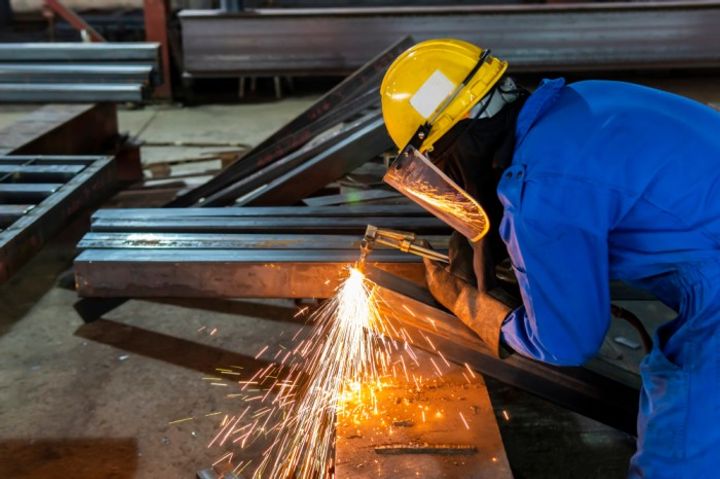
- Welding: Joining two or more pieces of steel together using heat and filler material.
- Machining: Removing small amounts of metal using tools to create precise dimensions.
- Assembly: Combining fabricated parts into a complete structure or component.
Each step requires careful measurement and planning to ensure the final structure fits its intended design.
Materials Used in Fabrication
Steel fabrication projects may involve several types of steel materials. Different grades and forms are selected depending on structural requirements.
Common forms of steel used include:
- Structural steel beams
- Steel plates and sheets
- Steel pipes and tubes
- Reinforcement bars
- Angle and channel sections
The properties of these materials—such as strength, flexibility, and resistance to corrosion—affect how they are fabricated and used in construction or manufacturing.
Importance
Steel fabrication plays an important role in modern infrastructure and industrial production. Many essential structures rely on fabricated steel components because of their strength and ability to support heavy loads.
Buildings, bridges, transportation systems, and industrial machinery often include fabricated steel parts. These components provide structural stability and allow engineers to design structures that meet safety requirements.
Impact on Infrastructure
Steel fabrication supports many types of infrastructure projects. Fabricated components are used to construct structural frameworks for buildings, road bridges, railway tracks, and public facilities.
The flexibility of fabricated steel allows designers to create structures in many shapes and sizes. This adaptability makes steel a common material for both large and small construction projects.
Role in Manufacturing
Manufacturing industries also depend on fabricated steel components. Machines, equipment frames, and industrial tools frequently require precisely shaped metal parts.
Examples of fabricated steel applications include:
- Equipment frames used in manufacturing plants
- Storage tanks and industrial containers
- Transportation components such as vehicle chassis
- Agricultural machinery parts
By transforming raw steel into usable parts, fabrication processes support multiple industries and supply chains.
Safety and Structural Reliability
Steel fabrication also contributes to structural safety. Proper fabrication techniques help ensure that metal components can withstand environmental conditions and mechanical stress.
Careful measurements, material testing, and standardized fabrication methods help reduce structural failures. This is particularly important for buildings, transportation systems, and industrial facilities where reliability is essential.
Recent Updates
Between 2024 and 2026, several developments have influenced steel fabrication practices. Many of these changes focus on efficiency, digital technology, and environmental considerations.
One noticeable trend is the increased use of automated equipment. Computer-controlled cutting machines and robotic welding systems are becoming more common in fabrication environments. These systems help improve precision and reduce errors in repetitive tasks.
Another development involves digital design tools. Fabricators often rely on 3D modeling software to visualize fabricated components before production begins. This allows engineers to detect potential design conflicts and improve structural planning.
Growing Role of Automation
Automation technologies are gradually reshaping fabrication operations. Machines equipped with sensors and computer guidance can perform cutting or welding tasks with consistent accuracy.
Benefits associated with automated fabrication systems include:
- Improved measurement accuracy
- Reduced material waste
- Faster production cycles
- Better consistency in repetitive tasks
Although skilled technicians remain essential, automated tools assist them by handling complex or repetitive fabrication operations.
Environmental Considerations
Environmental awareness is also influencing steel fabrication methods. Recycling steel materials and reducing industrial waste are increasingly discussed within manufacturing sectors.
Steel is widely known for its ability to be recycled and reused without significant loss of structural properties. As a result, many fabrication projects incorporate recycled steel components when appropriate.
Energy efficiency improvements in industrial equipment also contribute to lower environmental impact in fabrication facilities.
Laws or Policies
Steel fabrication activities are influenced by regulations that aim to maintain safety and quality standards. These regulations vary by country but often include building codes, occupational safety rules, and material quality standards.
Building Codes and Structural Standards
Construction projects involving fabricated steel must follow structural design standards established by national or regional authorities. These rules define how steel structures should be designed and tested.
For example, structural guidelines may specify:
- Load-bearing requirements
- Material strength classifications
- Welding quality standards
- Structural inspection procedures
Following these standards helps ensure that fabricated components perform safely within buildings and infrastructure systems.
Workplace Safety Regulations
Fabrication environments involve heavy equipment, high temperatures, and metal cutting tools. Workplace safety rules aim to reduce risks for workers involved in these processes.
Common safety guidelines include:
- Protective equipment such as helmets, gloves, and eye protection
- Proper machine operation training
- Ventilation systems for welding fumes
- Regular equipment inspections
Government labor departments and industrial safety authorities typically oversee compliance with these regulations.
Environmental Regulations
Industrial fabrication facilities may also follow environmental guidelines related to waste management and emissions. These regulations encourage responsible disposal of metal scraps and industrial materials.
In many regions, steel recycling programs are supported by environmental policies that promote resource efficiency and sustainable manufacturing practices.
Tools and Resources
Steel fabrication relies on specialized equipment and digital tools that assist with measurement, design, and production planning. These tools help fabricators create accurate components and manage complex projects.
Fabrication Equipment
Several types of machines are commonly used in fabrication workshops.
Examples include:
- Laser cutting machines: Used to cut steel plates with high precision.
- Press brakes: Machines that bend steel sheets into angles or curved shapes.
- Welding equipment: Tools that fuse steel components together through heat.
- Drilling machines: Used to create holes for bolts or mechanical connections.
Each piece of equipment performs a specific role in shaping and assembling steel components.
Digital Design Tools
Modern fabrication projects often begin with digital design software. Engineers use these platforms to create detailed models of steel components before production starts.
Common types of digital tools include:
- Computer-aided design (CAD) software
- Structural modeling programs
- Measurement and layout calculators
- Project management platforms
These tools help engineers visualize fabricated structures and plan production sequences.
Example Fabrication Process Overview
The following table summarizes a simplified workflow used in many fabrication environments.
| Fabrication Stage | Description | Common Tools |
|---|---|---|
| Design | Creation of technical drawings and models | CAD software |
| Material Preparation | Selection and measurement of steel materials | Measuring tools |
| Cutting | Steel sections are cut into required shapes | Laser or plasma cutters |
| Forming | Steel is bent or shaped into components | Press brakes |
| Joining | Components are connected using welding or bolts | Welding equipment |
| Assembly | Final structures are assembled and inspected | Assembly tools |
This workflow helps ensure that fabricated components match engineering designs and structural requirements.
FAQs
What are steel fabrication basics?
Steel fabrication basics refer to the methods used to transform raw steel materials into usable structures or components. These methods include cutting, bending, welding, machining, and assembling steel parts.
Why is steel fabrication important in construction?
Steel fabrication allows engineers to create structural components used in buildings, bridges, and infrastructure. Fabricated steel provides strength and stability, making it suitable for load-bearing structures.
What tools are commonly used in steel fabrication?
Common fabrication tools include cutting machines, welding equipment, press brakes, drilling machines, and digital design software used to create technical drawings.
How does steel fabrication support manufacturing industries?
Manufacturing industries rely on fabricated steel parts to build machinery, industrial frames, transportation equipment, and storage systems. These components help machines operate reliably.
What materials are used in steel fabrication projects?
Steel fabrication projects may involve materials such as structural steel beams, plates, sheets, pipes, tubes, reinforcement bars, and channel sections. The selection depends on structural design requirements.
Conclusion
Steel fabrication basics provide insight into how raw steel materials are transformed into structural components used across construction and manufacturing industries. The process involves several stages, including cutting, bending, welding, and assembly. Advances in automation and digital design tools continue to influence fabrication practices. Regulations related to structural standards, workplace safety, and environmental management also shape how fabrication activities are carried out.
Understanding these processes helps readers recognize the role fabricated steel plays in infrastructure, industrial equipment, and everyday structures.