Textile Weaving Machinery: Complete Operations Guide
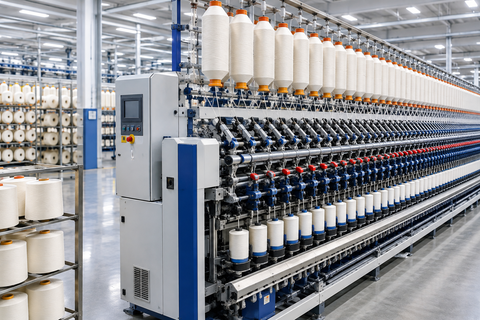
Textile weaving machinery plays a vital role in modern fabric manufacturing.
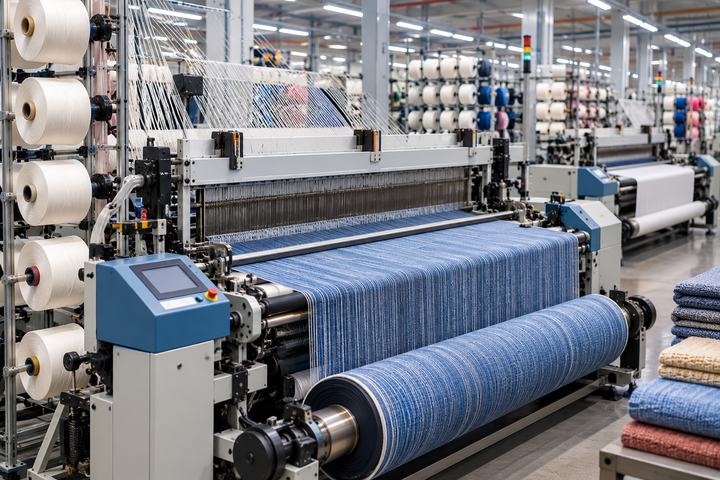
These machines transform yarn into woven fabric by interlacing warp and weft threads in a precise pattern. From apparel and home furnishings to industrial textiles and technical fabrics, weaving machinery supports a wide range of textile production applications.
Over the years, weaving technology has evolved significantly. Modern weaving machines deliver higher productivity, improved fabric quality, better automation, and enhanced operational efficiency. Understanding how textile weaving machinery works helps manufacturers, students, and industry professionals gain valuable insight into fabric production processes.
This guide explains the operation, components, types, applications, maintenance requirements, and future trends of textile weaving machinery in a simple and informative way.
Understanding Textile Weaving Machinery
Textile weaving machinery is equipment designed to create fabric by interlacing two sets of yarns:
- Warp yarns – yarns running lengthwise
- Weft yarns – yarns inserted across the width
The weaving process creates a stable fabric structure used across numerous industries.
Importance of Weaving Machinery
Modern weaving equipment helps achieve:
- Consistent fabric quality
- High production efficiency
- Precise fabric construction
- Reduced material waste
- Improved manufacturing productivity
Quick Facts About Textile Weaving Machinery
| Feature | Description |
|---|---|
| Primary Function | Produces woven fabrics |
| Input Material | Warp and weft yarns |
| Main Output | Woven textile fabric |
| Industry Use | Apparel, home textiles, industrial textiles |
| Automation Level | Manual to highly automated |
| Production Speed | Varies by machine type |
| Fabric Types | Cotton, polyester, blends, technical fabrics |
| Key Process | Interlacing warp and weft yarns |
Textile Weaving Process Overview
The weaving process consists of several coordinated operations.
| Process Stage | Purpose |
|---|---|
| Shedding | Creates opening between warp yarns |
| Picking | Inserts weft yarn |
| Beat-Up | Pushes weft into fabric structure |
| Take-Up | Collects woven fabric |
| Let-Off | Releases warp yarn from beam |
Each stage must operate in synchronization to produce quality fabric.
Main Components of Textile Weaving Machinery
Understanding machine components helps explain overall operation.
| Component | Function |
|---|---|
| Warp Beam | Holds warp yarn supply |
| Heddles | Control warp yarn movement |
| Reed | Maintains yarn spacing |
| Shuttle or Inserter | Carries weft yarn |
| Cloth Beam | Collects finished fabric |
| Take-Up System | Controls fabric winding |
| Let-Off System | Regulates warp tension |
| Control Panel | Manages machine settings |
Textile Weaving Machine Architecture
Warp Preparation Section
Warp yarns are wound onto the warp beam and fed into the machine.
Shedding System
The shedding mechanism separates warp yarns to create an opening known as the shed.
Weft Insertion System
The machine inserts weft yarn through the shed.
Beat-Up Mechanism
The reed pushes newly inserted yarn into the fabric structure.
Fabric Formation Area
Warp and weft yarns interlace to create fabric.
Fabric Collection System
Finished fabric is wound onto the cloth beam.
Types of Textile Weaving Machinery
Shuttle Looms
Traditional weaving machines that use a shuttle carrying the weft yarn.
Characteristics
- Proven technology
- Suitable for specialty fabrics
- Lower production speed compared to modern systems
Rapier Looms
Use flexible or rigid rapiers to transfer weft yarn.
Characteristics
- High versatility
- Suitable for various yarn types
- Widely used in modern textile production
Air Jet Looms
Use compressed air to insert weft yarn.
Characteristics
- High production speed
- Efficient for lightweight fabrics
- Suitable for mass production
Water Jet Looms
Use water streams to carry weft yarn.
Characteristics
- Efficient for synthetic yarns
- High-speed operation
- Specialized applications
Projectile Looms
Use small projectiles to insert weft yarn.
Characteristics
- Suitable for wide fabrics
- Strong fabric production capability
- Industrial textile applications
Weaving Machinery Type Comparison
| Machine Type | Speed | Fabric Flexibility | Common Applications |
|---|---|---|---|
| Shuttle Loom | Moderate | High | Specialty fabrics |
| Rapier Loom | High | Very High | Diverse textiles |
| Air Jet Loom | Very High | Moderate | High-volume production |
| Water Jet Loom | High | Specialized | Synthetic fabrics |
| Projectile Loom | High | High | Technical textiles |
How Textile Weaving Machinery Operates
Step 1: Warp Preparation
Warp yarns are prepared and loaded onto the warp beam.
Step 2: Shedding
Warp threads separate into two layers.
Step 3: Weft Insertion
Weft yarn passes through the shed.
Step 4: Beat-Up
The reed positions the weft securely within the fabric structure.
Step 5: Fabric Formation
The interlacing process creates woven fabric.
Step 6: Fabric Collection
The finished fabric is wound onto the cloth beam.
Fabric Types Produced by Weaving Machinery
Plain Weave Fabrics
Simple and durable fabric construction.
Twill Weave Fabrics
Recognized by diagonal patterns.
Satin Weave Fabrics
Smooth surface appearance.
Jacquard Fabrics
Complex decorative patterns.
Technical Textiles
Specialized fabrics used in industrial applications.
Fabric Structure Comparison
| Fabric Type | Characteristics | Common Uses |
|---|---|---|
| Plain Weave | Strong and balanced | Apparel, home textiles |
| Twill Weave | Diagonal pattern | Denim, uniforms |
| Satin Weave | Smooth finish | Decorative textiles |
| Jacquard | Complex designs | Upholstery, luxury fabrics |
| Technical Textile | Specialized performance | Industrial applications |
Production Factors Affecting Weaving Performance
Yarn Quality
Consistent yarn quality supports efficient operation.
Warp Tension
Proper tension improves fabric consistency.
Machine Speed
Balanced speed helps maintain quality.
Environmental Conditions
Temperature and humidity can influence weaving performance.
Maintenance Practices
Routine maintenance supports reliable operation.
Environmental Considerations
Modern textile manufacturers increasingly focus on environmental responsibility.
Energy Efficiency
Newer weaving machinery often includes energy-saving technologies.
Material Utilization
Efficient machine operation helps reduce material waste.
Production Optimization
Automation can improve process consistency and resource management.
Sustainable Textile Manufacturing
Many facilities integrate weaving systems into broader sustainability initiatives.
Industry Standards and Quality Control
Textile production commonly follows established quality management and manufacturing standards.
Fabric Inspection
Finished fabrics undergo quality evaluation.
Process Monitoring
Production systems monitor machine performance and fabric quality.
Operational Consistency
Standardized procedures support repeatable production outcomes.
Safety Management
Modern machinery includes safety mechanisms designed to protect operators.
Safety Features in Modern Weaving Machinery
| Safety Feature | Purpose |
|---|---|
| Emergency Stop Systems | Rapid machine shutdown |
| Protective Guards | Operator protection |
| Sensor Systems | Monitor machine conditions |
| Alarm Indicators | Alert operators to issues |
| Access Controls | Support safe maintenance |
Common Challenges and Practical Solutions
| Challenge | Practical Solution |
|---|---|
| Yarn Breakage | Maintain proper tension |
| Fabric Defects | Monitor weaving parameters |
| Machine Downtime | Follow maintenance schedules |
| Uneven Fabric Quality | Improve process control |
| Production Interruptions | Regular equipment inspection |
| Component Wear | Replace worn parts promptly |
Maintenance Schedule for Textile Weaving Machinery
| Maintenance Task | Frequency | Purpose |
|---|---|---|
| Machine Cleaning | Daily | Remove dust and fibers |
| Lubrication | Weekly | Reduce component wear |
| Tension Inspection | Weekly | Maintain fabric quality |
| Sensor Inspection | Monthly | Verify monitoring accuracy |
| Mechanical Inspection | Monthly | Identify wear |
| System Calibration | Periodically | Ensure operational precision |
Best Practices for Efficient Weaving Operations
Maintain Consistent Yarn Quality
Quality input materials support quality output.
Monitor Warp Tension
Stable tension improves fabric consistency.
Perform Preventive Maintenance
Routine maintenance helps reduce unexpected downtime.
Train Machine Operators
Proper knowledge supports efficient operation.
Use Process Monitoring Systems
Monitoring tools help identify operational issues early.
Real-World Applications
Apparel Manufacturing
Production of clothing fabrics.
Home Textiles
Fabric creation for curtains, bedding, and upholstery.
Technical Textiles
Industrial and specialized textile products.
Automotive Textiles
Interior fabrics and engineered textile components.
Medical Textiles
Fabric materials used in healthcare applications.
Industry Application Comparison
| Industry | Fabric Applications |
|---|---|
| Apparel | Garments and fashion textiles |
| Home Furnishings | Bedding and upholstery |
| Automotive | Interior textile components |
| Healthcare | Medical textile materials |
| Industrial | Technical and engineered fabrics |
Expert Insights
Textile manufacturing specialists generally emphasize the importance of balancing machine speed, fabric quality, and maintenance practices. Modern weaving facilities increasingly adopt automation and digital monitoring technologies to improve operational efficiency and product consistency.
Machine selection often depends on fabric type, production volume, yarn characteristics, and manufacturing objectives.
Key Facts About Textile Weaving Machinery
- Weaving remains one of the most widely used textile production methods.
- Modern weaving machines support high-speed fabric manufacturing.
- Automation continues to improve productivity and quality control.
- Rapier and air jet looms are among the most commonly used modern weaving technologies.
- Technical textiles represent a growing area of weaving applications.
Future Trends and Industry Insights
Smart Manufacturing Integration
Advanced monitoring systems continue to expand across textile facilities.
Digital Process Control
Real-time data analysis improves production management.
Enhanced Automation
Automation helps improve consistency and productivity.
Energy-Efficient Machinery
Manufacturers continue developing more efficient equipment.
Advanced Technical Textiles
Demand for specialized woven materials continues to grow.
Frequently Asked Questions
What is textile weaving machinery?
Equipment used to produce woven fabrics by interlacing warp and weft yarns.
What are warp yarns?
Yarns running lengthwise through the fabric.
What are weft yarns?
Yarns inserted across the width of the fabric.
What is shedding?
The process of separating warp yarns to create an opening for weft insertion.
What is picking?
The insertion of weft yarn into the shed.
What is beat-up?
The process of positioning weft yarn into the fabric structure.
What are rapier looms?
Weaving machines that use rapiers to transfer weft yarn.
What are air jet looms?
Machines that use compressed air for weft insertion.
Why is warp tension important?
It helps maintain fabric consistency and quality.
What industries use woven fabrics?
Apparel, home furnishings, automotive, healthcare, and industrial sectors.
How does automation help weaving operations?
It improves efficiency, monitoring, and production consistency.
Why is maintenance important?
Maintenance supports reliability and reduces downtime.
What fabrics can weaving machinery produce?
Plain weave, twill, satin, jacquard, and technical textiles.
What are technical textiles?
Specialized fabrics designed for industrial or performance applications.
What is the future of weaving technology?
Greater automation, digital control, and energy-efficient manufacturing.
Conclusion
Textile weaving machinery remains a cornerstone of modern fabric manufacturing. Through coordinated operations such as shedding, picking, beat-up, and fabric collection, these machines transform yarn into a vast range of textile products.
As automation, digital monitoring, and advanced manufacturing technologies continue to evolve, weaving machinery is becoming more efficient, productive, and adaptable. Understanding machine operations, maintenance requirements, and production principles helps industry professionals optimize fabric quality and manufacturing performance.