Understanding Welding and Fabrication Systems: Basics, Advanced Methods, and Helpful Tips
Welding and fabrication systems are fundamental processes used to join, shape, and assemble metal structures. These methods have existed for centuries, evolving from simple forge welding used by blacksmiths to highly controlled modern techniques applied in manufacturing and construction. Today, welding and fabrication systems combine mechanical tools, controlled heat sources, and structured procedures to create strong metal connections and structural components.
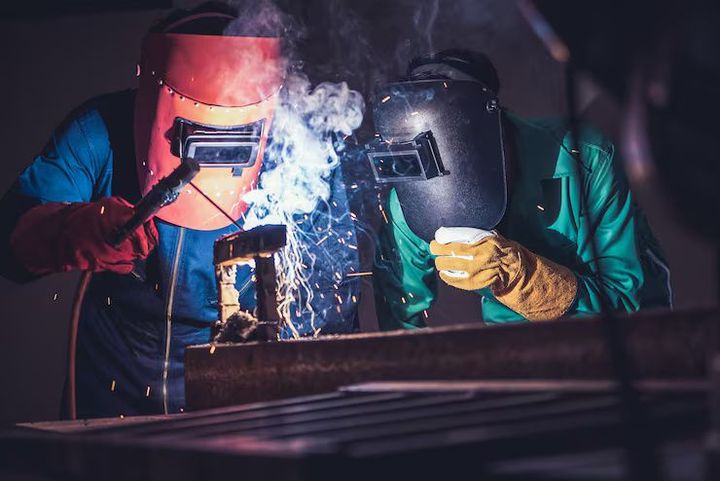
In simple terms, welding involves joining two or more pieces of metal by melting their edges and allowing them to fuse together. Fabrication refers to the broader process of shaping, cutting, assembling, and finishing metal materials to form usable structures or components. When these two processes work together, they form complete welding and fabrication systems used in industries such as transportation, infrastructure development, machinery production, and energy equipment.
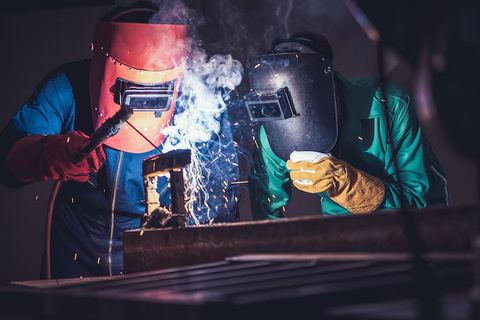
These systems exist because many modern structures require durable metal joints that can withstand mechanical stress, vibration, and environmental exposure. Without welding and fabrication methods, the construction of bridges, vehicles, pipelines, and industrial machinery would be significantly more difficult.
Understanding how welding and fabrication systems operate helps readers appreciate the processes behind everyday structures and machines that rely on strong metal frameworks.
Importance
Welding and fabrication systems play a significant role in modern infrastructure and industrial development. These systems allow metal components to be joined securely, enabling the creation of strong frameworks used in buildings, transportation systems, machinery, and utility networks.
Many industries rely on welding and fabrication processes because metal structures must often endure heavy loads, high temperatures, and long periods of operation. Reliable joining methods help maintain structural integrity and safety across various applications.
Several sectors depend heavily on welding and fabrication systems:
- Construction and infrastructure: steel beams, bridges, rail systems, and structural frameworks
- Transportation manufacturing: vehicles, ships, railcars, and aircraft components
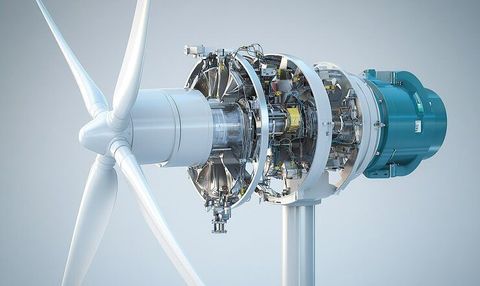
- Energy production: pipelines, power plant structures, and wind turbine towers
- Industrial machinery: heavy equipment frames, pressure vessels, and processing systems
Another reason these systems matter is repair and maintenance. Metal structures can experience wear over time, and welding methods allow damaged parts to be restored without replacing entire assemblies.
In addition, welding and fabrication contribute to the production of customized metal components. Different projects require unique shapes, dimensions, and structural configurations. Fabrication techniques make it possible to shape raw metal materials into precise forms before welding them into complete assemblies.
Recent Updates
From 2024 to 2026, several developments have influenced welding and fabrication systems. Advances in automation, digital monitoring, and precision equipment have changed how many welding processes are performed in manufacturing environments.
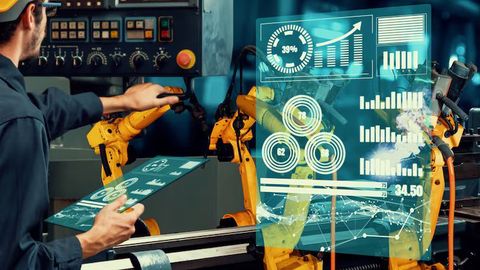
One notable trend is the increased use of robotic welding systems. Robots can perform repetitive welding tasks with consistent accuracy, reducing variations in weld quality. These systems are often integrated with digital monitoring tools that track temperature, weld speed, and alignment.
Another development involves improved welding processes designed for specialized metals and alloys. Industries such as aerospace, renewable energy, and advanced manufacturing require welding methods capable of handling lightweight materials and high-strength metals.
Recent trends in welding and fabrication systems include:
- Robotic welding cells: automated systems performing repetitive weld sequences
- Digital monitoring: sensors that track weld temperature, arc stability, and metal penetration
- Laser and hybrid welding methods: processes combining traditional arcs with focused laser energy
- Additive fabrication integration: combining welding processes with layered metal deposition techniques
- Improved safety monitoring: systems designed to manage fumes and heat exposure in fabrication environments
Another change involves training technologies. Simulation platforms now allow learners to practice welding techniques in digital environments before working with real materials.
These developments show how welding and fabrication systems continue evolving to meet modern manufacturing requirements.
Laws or Policies
Welding and fabrication systems operate within a framework of safety regulations and technical standards. These rules help ensure that welded structures meet safety requirements and that welding procedures follow established guidelines.
Many countries rely on industry standards created by technical organizations. These standards define acceptable welding procedures, material compatibility, inspection methods, and safety practices.
Common regulatory areas related to welding and fabrication include:
- Workplace safety regulations: requirements for protective equipment, ventilation, and hazard control
- Structural welding codes: guidelines for welding methods used in buildings and infrastructure
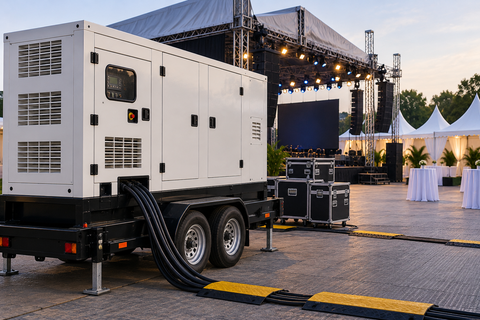
- Equipment operation standards: procedures for maintaining welding machines and power systems
- Material certification requirements: documentation confirming that metals meet structural specifications
Governments may also require inspection procedures for critical welded structures. Bridges, pipelines, and pressure vessels often undergo testing methods such as ultrasonic inspection or radiographic testing to verify weld integrity.
In many regions, training and certification systems exist for individuals who perform welding tasks. Certification programs evaluate skills such as weld quality, safety awareness, and knowledge of welding procedures.
These regulations help maintain consistent quality in welded structures and reduce the risk of structural failure.
Tools and Resources
Welding and fabrication systems rely on a combination of machines, measuring tools, digital software, and reference resources. These tools help technicians prepare metal components, monitor welding processes, and verify structural accuracy.
Welding Equipment
Different welding methods require specific equipment designed to generate controlled heat and electrical arcs. Common equipment types include:
- Arc welding machines: devices that produce an electrical arc between an electrode and metal surface
- Gas welding torches: tools that use fuel gases and oxygen to generate heat for welding or cutting
- Laser welding systems: equipment that uses concentrated laser beams to fuse metals
- Resistance welding machines: systems that join metals through pressure and electrical resistance
Fabrication Tools
Metal fabrication requires tools that shape and prepare materials before welding occurs. Typical fabrication equipment includes:
- Metal cutting machines: tools used to cut steel sheets, pipes, or bars into precise shapes
- Press brakes: machines used to bend metal sheets into structural angles
- Grinding equipment: tools used to smooth weld surfaces and prepare edges
- Measuring instruments: devices used to verify dimensions and alignment
Digital Platforms and Learning Resources
Modern welding and fabrication systems also rely on digital platforms for training, design planning, and documentation.
Some commonly used resources include:
- welding simulation software for training environments
- engineering design platforms for metal structures
- welding procedure databases used by manufacturing teams
- online technical standards published by engineering organizations
Overview of Common Welding Methods
| Welding Method | Basic Principle | Common Applications |
|---|---|---|
| Arc Welding | Electrical arc melts metal edges | Construction, machinery |
| Gas Welding | Fuel gas flame produces heat | Pipe work, metal repair |
| Resistance Welding | Electrical resistance and pressure create heat | Automotive components |
| Laser Welding | Focused laser beam melts metal | precision manufacturing |
These tools and systems support different stages of metal production, from raw material preparation to final structural assembly.
FAQs
What are welding and fabrication systems?
Welding and fabrication systems refer to the combined processes used to shape, assemble, and join metal components. Fabrication prepares metal parts through cutting and forming, while welding permanently joins those parts using heat or electrical energy.
How do welding and fabrication systems work together?
In most projects, fabrication occurs first to prepare metal materials into specific shapes or sizes. After preparation, welding processes join the fabricated components to create complete structures or mechanical assemblies.
What industries use welding and fabrication systems?
Welding and fabrication systems are commonly used in construction, transportation manufacturing, infrastructure development, energy production, and heavy equipment manufacturing.
What are common types of welding methods used in fabrication?
Several welding methods are widely used, including arc welding, gas welding, resistance welding, and laser welding. Each method uses a different heat source and is suited to specific materials and structural requirements.
Why are welding standards important in welding and fabrication systems?
Standards help ensure that welded joints meet safety and structural requirements. They define approved welding procedures, inspection methods, and material compatibility guidelines used in infrastructure and manufacturing projects.
Conclusion
Welding and fabrication systems are essential processes used to create durable metal structures across many industries. These systems combine shaping techniques with heat-based joining methods to produce strong metal connections. Over time, welding technologies have evolved from simple manual methods to automated and digitally monitored systems. Regulations and technical standards also help maintain consistent structural quality and safety. Understanding the basics of welding and fabrication systems provides insight into the processes that support modern infrastructure and manufacturing.