Acne Scar Removal Guide: Methods, Skin Types and Recovery
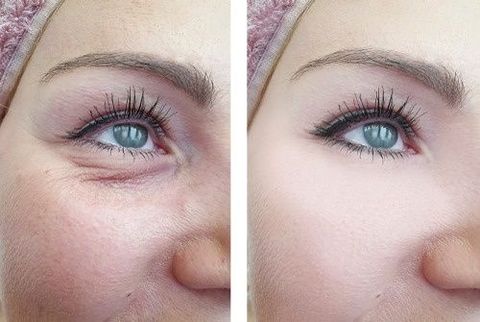
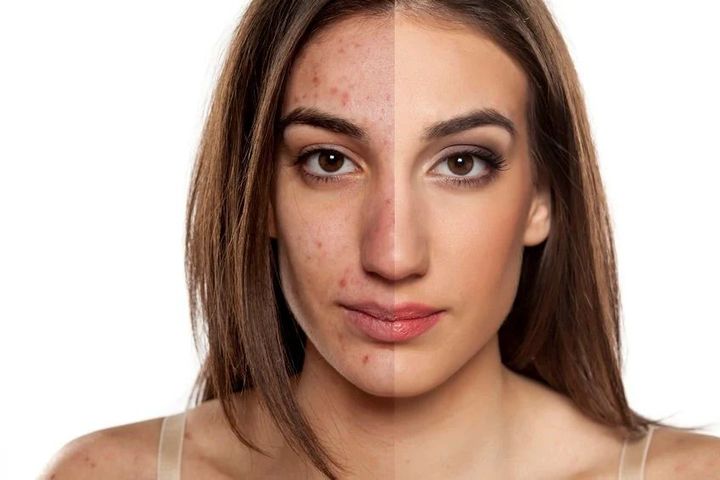
Acne scars can remain after inflamed acne lesions heal.
They may appear as depressions, raised areas, or uneven skin texture. Some people also develop lasting changes in skin color.
Acne scar removal focuses on improving scar appearance and skin texture. The appropriate method depends on scar type and skin characteristics. A dermatologist can assess these factors before recommending a suitable approach.
Quick Answer: What Helps Improve Acne Scars?
- Microneedling may improve certain depressed acne scars.
- Laser resurfacing can target texture and collagen remodeling.
- Chemical peels remove controlled layers of damaged skin.
- Subcision may help scars attached to deeper tissue.
- Dermal fillers can temporarily elevate selected depressed scars.
- Scar procedures may address deep, narrow scars.
- Combination approaches are sometimes used for mixed scar patterns.
- Results depend on scar type, depth, skin tone, and healing response.
What Are Acne Scars?
Acne scars develop when inflammation damages skin tissue. The healing process may produce too little or too much collagen.
Too little collagen can create depressed scars. Excess collagen can produce raised scars.
Acne scars differ from temporary discoloration. Red or dark marks can remain without permanent texture changes.
What Are the Main Types of Acne Scars?
Correct scar identification is important. Different acne scars respond differently to treatment methods.
What Are Ice Pick Scars?
Ice pick scars are narrow and deep. They often resemble tiny openings extending into the skin.
Their depth can make surface-focused approaches less effective.
What Are Boxcar Scars?
Boxcar scars are depressed areas with defined edges. Their depth and width can vary considerably.
Shallow boxcar scars may respond differently from deeper ones.
What Are Rolling Scars?
Rolling scars create broad, wave-like depressions.
Fibrous tissue beneath the skin can pull these scars downward.
What Are Hypertrophic and Keloid Scars?
These scars rise above the surrounding skin.
They develop because excessive collagen forms during healing. Management differs significantly from depressed acne scars.
How Does Microneedling Help Acne Scars?
Microneedling creates controlled microscopic injuries in the skin.
This process stimulates natural wound healing. It can encourage collagen remodeling over time.
Microneedling is commonly considered for:
- Rolling scars
- Certain boxcar scars
- Uneven skin texture
- Selected mixed scar patterns
Several sessions may be required. Responses vary between individuals.
How Does Laser Resurfacing Work for Acne Scars?
Laser resurfacing delivers controlled energy into targeted skin layers.
The procedure can stimulate collagen remodeling. Some lasers also remove microscopic portions of damaged surface tissue.
What Are Ablative Lasers?
Ablative lasers remove controlled areas of the skin's surface.
They can create significant remodeling but usually require greater recovery.
What Are Non-Ablative Lasers?
Non-ablative lasers heat deeper skin without removing the entire surface layer.
They generally involve less intensive recovery.
What Are Fractional Lasers?
Fractional systems treat microscopic columns of skin.
Untreated surrounding tissue remains intact. This structure supports the healing process.
Laser selection requires professional assessment. Skin tone can influence pigmentation risks after treatment.
How Do Chemical Peels Improve Acne Scars?
Chemical peels use carefully selected chemical agents on the skin.
They create controlled exfoliation at specific depths. Healing can improve texture and surface irregularities.
Peels vary from superficial to deeper procedures.
The appropriate depth depends on:
- Scar characteristics
- Skin type
- Pigmentation tendency
- Treatment goals
- Previous procedures
Professional evaluation is important for stronger chemical peels.
How Does Subcision Treat Rolling Acne Scars?
Subcision targets fibrous bands beneath depressed scars.
A medical professional releases these bands using a specialized instrument. This allows tethered skin to rise.
Subcision is commonly associated with rolling scars.
It may sometimes be combined with other scar procedures.
How Are Dermal Fillers Used for Acne Scars?
Dermal fillers can elevate certain depressed acne scars.
Material is placed beneath selected scars. This creates additional support under the skin.
Fillers are more appropriate for some scar patterns than others.
Effects may be temporary depending on the material used.
How Can Deep Ice Pick Scars Be Addressed?
Deep ice pick scars can require targeted procedures.
One approach uses a carefully controlled chemical technique inside individual scars. Another method removes selected deep scars through minor surgical procedures.
These approaches require professional assessment and precise application.
Can Topical Skin Care Remove Acne Scars?
Topical products have limited ability to change deep structural scars.
However, appropriate skin care can support overall skin appearance. It may also address discoloration surrounding scars.
Commonly discussed ingredients include:
- Retinoids
- Azelaic acid
- Vitamin C
- Alpha hydroxy acids
- Salicylic acid
- Niacinamide
Active acne should also be controlled. New inflammatory lesions can create additional scars.
Why Is Sunscreen Important for Acne Scar Care?
Ultraviolet exposure can make pigmentation differences more noticeable.
Daily sun protection helps reduce UV-related skin damage. It can also support skin recovery after certain procedures.
Sun protection becomes particularly important after resurfacing treatments.
Which Acne Scar Method Works for Different Scar Types?
There is no universal acne scar procedure.
Different scar patterns often require different strategies.
Rolling Scars
Commonly considered approaches include:
- Subcision
- Microneedling
- Selected laser procedures
- Combination techniques
Boxcar Scars
Depending on depth, approaches may include:
- Microneedling
- Fractional resurfacing
- Chemical procedures
- Selected scar techniques
Ice Pick Scars
These deep scars may require:
- Targeted chemical techniques
- Minor scar procedures
- Combination approaches
Raised Scars
Raised scars require different management.
Treatment may involve approaches that reduce excessive scar tissue. A dermatologist should evaluate these scars before treatment.
Why Does Skin Tone Matter During Acne Scar Treatment?
Skin pigmentation can influence treatment planning.
Some procedures may trigger post-inflammatory hyperpigmentation. This means treated areas become temporarily darker.
Professional evaluation helps determine suitable treatment intensity.
Careful aftercare can also reduce pigmentation complications.
Can Different Acne Scar Treatments Be Combined?
Yes. Many people have several scar types simultaneously.
A dermatologist may use different techniques for different scar structures.
For example, treatment could address:
- Tethered rolling scars
- Deep ice pick scars
- Shallow boxcar scars
- Surface pigmentation
This individualized approach targets each scar's characteristics.
How Long Does Acne Scar Improvement Take?
Acne scar improvement is usually gradual.
Collagen remodeling can continue for weeks or months after certain procedures. Multiple sessions may also be required.
Recovery varies according to treatment intensity.
Temporary effects can include:
- Redness
- Swelling
- Dryness
- Peeling
- Tenderness
- Temporary pigmentation changes
Follow professional aftercare instructions carefully.
What Should Be Considered Before Acne Scar Treatment?
A complete skin assessment should happen first.
Important considerations include:
- Scar type
- Scar depth
- Active acne
- Skin tone
- Previous treatments
- Tendency toward pigmentation
- History of abnormal scarring
- Current medications
- General skin condition
Active acne may need management before intensive scar procedures begin.
Can Acne Scars Be Completely Removed?
Complete removal cannot be guaranteed.
Most procedures aim to reduce scar visibility and improve texture. Results differ according to scar structure and individual healing.
Realistic expectations are therefore important.
How Can New Acne Scars Be Prevented?
Preventing new scars is an important part of acne management.
Helpful practices include:
- Address inflammatory acne early
- Avoid picking acne lesions
- Avoid squeezing pimples
- Use gentle skin care
- Protect skin from excessive sunlight
- Follow appropriate acne management
- Seek dermatological guidance for persistent acne
Reducing inflammation can lower the likelihood of additional scarring.
Frequently Asked Questions
Which method is suitable for deep acne scars?
Deep scars may require targeted procedures. The approach depends on the specific scar structure.
Does microneedling permanently remove acne scars?
Microneedling can improve certain scars through collagen remodeling. Complete scar removal cannot be guaranteed.
Can acne scars improve naturally?
Some marks and mild changes can fade gradually. Deep structural scars are less likely to disappear naturally.
Are acne marks and acne scars the same?
No. Acne marks usually involve pigmentation or redness.
True scars involve structural changes in the skin.
Why should acne scar type be identified first?
Different scar structures respond to different procedures. Correct identification supports more appropriate treatment planning.
Key Takeaways
Acne Scar Removal Summary
- Acne scars can be ice pick, boxcar, rolling, or raised scars.
- Treatment should match the specific scar structure.
- Microneedling can support collagen remodeling in selected scars.
- Laser resurfacing can improve texture and stimulate collagen.
- Subcision can release tethered rolling scars.
- Chemical procedures may improve selected scars and surface irregularities.
- Deep scars can require targeted professional procedures.
- Skin tone influences treatment planning and pigmentation risks.
- Combination approaches may help people with mixed scar patterns.
- Professional dermatological assessment supports safer treatment decisions.
Disclaimer
The information provided in this article is for informational purposes only. We do not make any claims or guarantees regarding the accuracy, reliability, or completeness of the information presented. The content is not intended as professional advice and should not be relied upon as such. Readers are encouraged to conduct their own research and consult with appropriate professionals before making any decisions based on the information provided in this article.