Concrete pump trucks are specialized construction vehicles designed to transport and place liquid concrete at construction locations. These machines combine a concrete pump with a truck-mounted system that can deliver concrete through pipes or hoses to areas that may be difficult to reach using traditional methods. The concept developed as construction projects grew larger and required more efficient ways to move concrete quickly and accurately.
Before the introduction of concrete pump trucks, concrete placement often relied on manual movement using buckets, wheelbarrows, or cranes. These approaches required significant physical effort and could slow down large building projects. Concrete pumping technology simplified the process by allowing concrete to travel through pipelines directly to the point where it is needed.
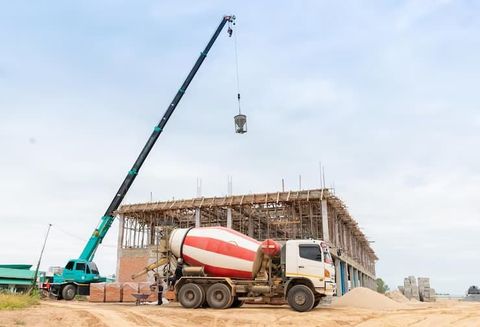
Concrete pump trucks explained in simple terms involve understanding how hydraulic systems move concrete mixtures through pipes and flexible hoses. The truck carries a pumping mechanism that pushes concrete from a hopper through pipelines using pressure. Many models also include a robotic arm known as a boom, which allows the pipeline to extend high above the ground or across wide construction areas.
Today, concrete pump trucks are commonly used in infrastructure projects, residential construction, roadwork, bridges, and high-rise developments. Their design allows construction teams to place concrete more precisely, reducing delays and improving workflow at construction sites.
Importance
Concrete placement plays a central role in modern construction. Buildings, roads, bridges, tunnels, and foundations rely on concrete as a structural material. Concrete pump trucks help ensure that this material reaches specific locations efficiently, even in complex building environments.
One major reason these vehicles matter is accessibility. Many construction sites include areas where traditional concrete placement methods cannot easily reach. For example, tall buildings, narrow urban streets, or large foundations may require concrete delivery at height or over obstacles. Pump trucks allow concrete to travel through extended pipelines directly to those locations.
Another reason involves time management. Construction schedules often depend on placing large volumes of concrete within a limited timeframe. Pumping systems enable continuous movement of concrete from mixer trucks to the exact placement point, helping maintain a steady workflow.
Concrete pump trucks also support improved accuracy. When concrete is delivered through controlled pipelines, workers can guide the hose to specific sections of a structure. This helps ensure that the concrete mixture fills forms evenly and reaches corners that might otherwise be difficult to access.
Key advantages that explain their importance include:
- Extended reach: Boom arms allow concrete placement at elevated or distant points.
- Efficient material movement: Pumping systems move concrete quickly through pipelines.
- Reduced manual handling: Less reliance on manual lifting or transport of concrete.
- Improved placement precision: Controlled flow helps distribute concrete evenly.
These benefits contribute to safer and more organized construction environments, particularly in large infrastructure projects.
Recent Updates
From 2024 through 2026, several developments have influenced the design and use of concrete pump trucks. These updates focus mainly on automation, monitoring systems, and environmental considerations.
One noticeable trend involves digital monitoring systems. Many modern pump trucks now include sensors and onboard software that track pumping pressure, flow rate, and equipment status. These systems allow operators to observe performance in real time and respond quickly if adjustments are needed.
Another development relates to improved boom design. Manufacturers have been refining multi-section boom arms that extend farther while maintaining stability. These articulated booms allow concrete placement in complex construction environments such as tall buildings or densely built urban areas.
Energy efficiency has also become a growing focus. Hydraulic systems are being designed to operate more efficiently, reducing fuel consumption and mechanical wear. In some regions, hybrid power technologies are being explored to reduce emissions associated with heavy construction equipment.
Digital training tools have also expanded. Simulation platforms now allow operators to practice controlling pump trucks in virtual environments before working on actual construction sites. This approach supports safer equipment handling and improved operational understanding.
Overall, current trends emphasize technology integration, improved equipment monitoring, and more efficient hydraulic systems.
Laws or Policies
Construction equipment such as concrete pump trucks operates within regulatory frameworks designed to protect worker safety and environmental standards. These regulations vary across countries but often include similar principles related to equipment operation and construction site safety.
In many regions, workplace safety regulations require proper training before operating heavy machinery. These rules ensure that operators understand hydraulic systems, boom movement, and safe positioning of the truck during pumping operations.
Safety standards may also require regular inspections of mechanical components. Important systems such as hydraulic pumps, pipelines, and boom arms must be checked periodically to ensure safe operation. Inspections help identify wear, leaks, or structural concerns before they become serious hazards.
Transportation rules can also apply because concrete pump trucks travel on public roads. Vehicle weight limits, road safety standards, and transportation permits may affect how these trucks move between construction locations.
Environmental policies sometimes address noise levels, fuel emissions, and material handling practices on construction sites. These regulations aim to reduce environmental impact and maintain safe working conditions.
Although specific requirements vary between countries, the general goal of these policies is to ensure safe operation, equipment reliability, and responsible construction practices.
Tools and Resources
Various digital tools and information platforms support the planning and operation of concrete pump trucks. These resources help engineers, construction planners, and equipment operators understand pumping requirements and project logistics.
Some commonly used tools include:
- Concrete volume calculators: These help estimate the amount of concrete needed for foundations, slabs, or structural elements.
- Boom reach planning tools: These tools assist in determining whether a pump truck can reach specific areas of a construction site.
- Construction scheduling platforms: Digital planning systems allow teams to coordinate equipment arrival, concrete mixing, and placement timing.
- Technical guideline websites: Industry organizations publish documents explaining safe equipment operation and concrete handling procedures.
The following table summarizes several common planning resources used in construction projects involving concrete pumping.
| Resource Type | Purpose | Example Use |
|---|---|---|
| Concrete volume calculator | Estimates required concrete volume | Planning foundations or slabs |
| Pump reach planner | Evaluates boom reach capability | Determining truck placement location |
| Equipment monitoring software | Tracks hydraulic pressure and pump activity | Observing operational performance |
| Construction scheduling platform | Coordinates project timelines | Managing concrete delivery and pumping sequence |
| Safety guideline documents | Explains safe equipment operation | Training operators and site supervisors |
These tools help construction teams organize projects more efficiently while maintaining safety and accuracy during concrete placement.
FAQs
What are concrete pump trucks used for?
Concrete pump trucks transport liquid concrete and pump it through pipelines or boom arms to specific placement points on construction sites. They are commonly used for building foundations, bridges, road structures, and tall buildings.
How do concrete pump trucks work?
Concrete pump trucks work by using hydraulic pumps to push liquid concrete through pipes or hoses. The concrete enters a hopper on the truck, and the pump system creates pressure that moves the mixture through the pipeline to the placement area.
What are the main types of concrete pump trucks?
Two primary types are commonly discussed when concrete pump trucks explained:
- Boom pump trucks: Equipped with a robotic arm that extends to deliver concrete at height or distance.
- Line pump trucks: Use flexible hoses laid along the ground to move concrete horizontally or across shorter distances.
Both types use pumping mechanisms but differ in how the pipeline is positioned.
Why are concrete pump trucks important in construction?
Concrete pump trucks help place concrete efficiently and accurately. They allow concrete delivery to areas that may be difficult to access with traditional placement methods, especially in large or elevated structures.
What factors affect the performance of concrete pumping systems?
Several factors influence pumping performance:
- Concrete mixture consistency
- Pipeline length and diameter
- Pump pressure capacity
- Boom reach and positioning
- Site layout and access conditions
Understanding these factors helps ensure smooth and consistent concrete flow during construction operations.
Conclusion
Concrete pump trucks play an important role in modern construction by enabling efficient and accurate placement of concrete across a variety of building environments. Their hydraulic pumping systems move concrete through pipelines, while boom arms extend reach to elevated or distant locations. Advances in monitoring technology, improved equipment design, and digital planning tools continue to shape how these machines operate. Safety regulations and operational guidelines also contribute to responsible use of heavy construction equipment. Together, these elements help explain how concrete pump trucks support large-scale infrastructure and building projects.