Guide to E-waste Recycling: Materials, Methods, and Sustainability Knowledge
Electronic waste, often called e-waste, refers to discarded electronic devices and components such as computers, mobile phones, televisions, batteries, and household electronics. As digital technology becomes a common part of everyday life, the number of outdated or broken devices continues to grow around the world.
E-waste recycling is the process of collecting, separating, and processing these discarded electronics so that valuable materials can be recovered and hazardous substances are handled safely. Modern electronics contain metals, plastics, glass, and rare elements that can be reused in manufacturing when properly processed.
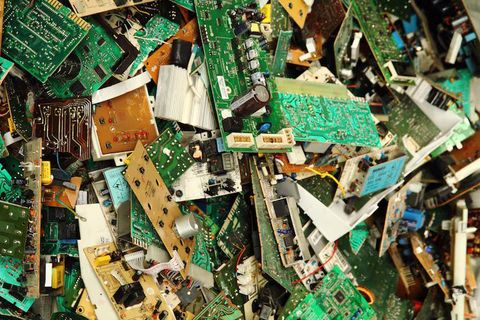
Many electronic products are replaced frequently due to rapid technological development. Devices that once lasted many years are now updated or replaced more often. This pattern creates a steady stream of discarded electronics, making e-waste recycling an important environmental and resource management activity.
Understanding how electronic materials are recovered, what methods are used in recycling facilities, and how sustainability principles apply to this process helps people better understand the role of responsible electronic disposal.
Importance
E-waste recycling matters because electronic products contain both valuable materials and substances that require careful handling. When electronic waste is not processed properly, it can release chemicals that affect soil, water, and air quality.
Many devices contain recoverable metals such as copper, aluminum, gold, and silver. Recycling allows these materials to return to production cycles rather than remaining unused in landfills. This reduces pressure on mining activities and helps conserve natural resources.
E-waste also affects everyday households. As people upgrade phones, replace laptops, or discard damaged electronics, the amount of electronic waste generated per person increases. According to international environmental studies, global e-waste generation continues to rise each year.
Key challenges addressed by e-waste recycling include:
- Resource conservation: Recovering metals and materials reduces demand for newly extracted resources.
- Environmental protection: Controlled processing prevents harmful chemicals from entering ecosystems.
- Waste management: Organized collection and recycling systems reduce landfill accumulation.
- Public awareness: Understanding responsible electronic disposal encourages sustainable habits.
Common Materials Found in Electronic Waste
Electronic devices contain many different materials. Recycling systems separate these materials so they can be processed appropriately.
| Material Type | Examples in Electronics | Recycling Purpose |
|---|---|---|
| Metals | Copper wiring, aluminum frames, gold connectors | Material recovery and reuse |
| Plastics | Device housings, cable insulation | Reprocessed into industrial plastic materials |
| Glass | Display screens, monitor panels | Recycled into industrial glass products |
| Rare elements | Lithium, cobalt, palladium | Recovered for use in advanced electronics |
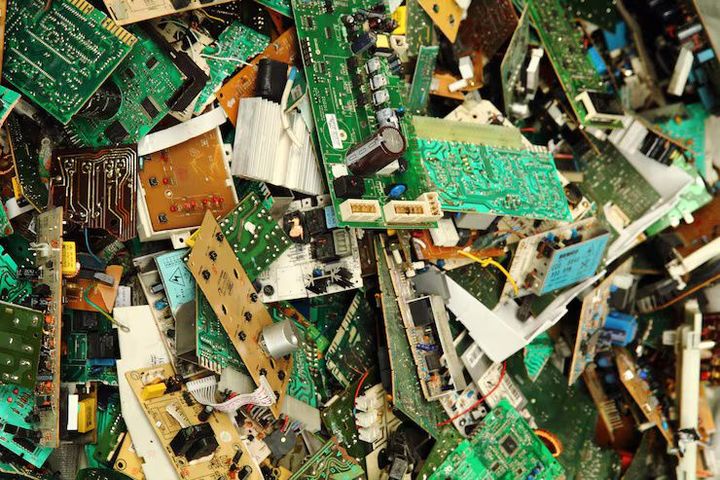
| Circuit boards | Motherboards, processors | Extract metals and electronic components |
The mixture of materials in electronics makes recycling more complex than ordinary household waste. Specialized facilities and equipment are typically required to separate and process components safely.
Recent Updates
Between 2024 and 2026, several trends have influenced the development of e-waste recycling systems worldwide. Governments, technology manufacturers, and environmental organizations are placing greater attention on electronic waste management.
One noticeable trend is the growth of circular economy practices. In this approach, products and materials remain in use for longer periods through repair, reuse, refurbishment, and recycling. Electronics manufacturers are also exploring designs that make devices easier to dismantle and recycle.
Another development is improved tracking of electronic waste flows. Digital reporting systems help governments monitor how discarded electronics move from households and businesses to recycling facilities. This information helps policymakers understand where waste accumulates and how recycling infrastructure can improve.
Advancements in recycling technology are also occurring. Modern facilities increasingly use automated sorting systems, robotic dismantling equipment, and chemical recovery techniques that allow more precise extraction of metals from circuit boards.
Research institutions and environmental groups continue to study how to recover rare elements used in batteries and electronic components. These materials are increasingly important for technologies such as renewable energy storage and electric mobility.
Global awareness campaigns are also encouraging individuals to dispose of electronics responsibly rather than storing unused devices in homes.
Laws or Policies
E-waste recycling is shaped by international agreements and national environmental regulations. These policies guide how electronic waste is transported, processed, and monitored.
One major international framework is the Basel Convention, which regulates the movement of hazardous waste between countries. Electronic waste often falls under this agreement because of the presence of substances such as lead, mercury, and cadmium.
The United Nations and environmental agencies have also supported global initiatives to track electronic waste and encourage responsible recycling practices.
Many regions have implemented Extended Producer Responsibility (EPR) policies. Under these systems, electronics manufacturers share responsibility for the lifecycle of their products, including recycling and disposal.
For example:
- The European Union established the Waste Electrical and Electronic Equipment directive, often referred to as the WEEE framework.
- Countries such as Japan, South Korea, and Canada have national electronic waste recycling regulations.
- India operates electronic waste management rules overseen by the Central Pollution Control Board.
These policies typically focus on several goals:
- Organized collection of discarded electronics
- Environmentally controlled recycling processes
- Documentation and reporting of e-waste movement
- Reduction of informal recycling activities that may expose workers to hazardous materials
Regulatory systems vary between countries, but most share the objective of improving environmental protection while encouraging responsible electronic disposal.
Tools and Resources
Various digital tools, educational resources, and platforms help individuals and organizations understand electronic waste recycling and sustainability practices.
Environmental Data Platforms
Several global organizations provide data on electronic waste generation and recycling trends.
- The Global E-waste Monitor publishes reports on worldwide electronic waste statistics.
- The International Telecommunication Union supports research on sustainable digital technologies.
- Environmental databases from the United Nations Environment Programme provide information about waste management policies.
These resources help researchers, policymakers, and educators track changes in electronic waste generation and recycling capacity.
Recycling Location Tools
Many governments and environmental organizations maintain online directories that help users locate authorized electronic waste collection points. These directories typically allow users to search by region and identify facilities that accept specific device categories.
Such tools often include information about:
- Accepted device types such as computers, batteries, and household electronics
- Local collection centers or recycling facilities
- Environmental guidelines for safe disposal
Educational Platforms and Sustainability Guides
Universities, environmental institutes, and public agencies publish guides explaining how electronic products are dismantled, how metals are extracted, and how recycling supports sustainability goals.
Educational materials commonly include:
- Interactive diagrams showing the structure of electronic devices
- Guides explaining the lifecycle of electronic materials
- Reports on circular economy practices in electronics manufacturing
These resources help individuals understand the broader environmental impact of electronic consumption.
FAQs
What is e-waste recycling?
E-waste recycling is the process of collecting and processing discarded electronic devices so that valuable materials such as metals, plastics, and glass can be recovered and hazardous substances can be handled safely.
What materials are recovered during e-waste recycling?
Common materials recovered from electronic waste include copper, aluminum, gold, silver, lithium, and plastics. Recycling facilities separate these materials through dismantling, shredding, and specialized extraction techniques.
Why is e-waste recycling important for sustainability?
E-waste recycling supports sustainability by conserving natural resources, reducing landfill waste, and limiting environmental contamination from hazardous electronic components.
How are electronic devices processed in e-waste recycling facilities?
Most facilities follow several steps: collection of discarded electronics, manual or automated dismantling, shredding of components, separation of metals and plastics, and chemical recovery of valuable elements.
What are examples of electronic items considered e-waste?
Common examples include smartphones, laptops, desktop computers, televisions, printers, batteries, routers, gaming consoles, and small household electronics.
Conclusion
E-waste recycling plays an important role in managing the growing volume of discarded electronic devices. By recovering valuable materials and controlling hazardous substances, recycling systems help reduce environmental impact while supporting responsible resource use.
Modern recycling methods involve careful dismantling, material separation, and advanced recovery techniques. Government regulations, international agreements, and sustainability initiatives continue to influence how electronic waste is managed worldwide.
Understanding the materials, methods, and policies related to electronic waste helps individuals recognize how everyday technology connects to global environmental systems.