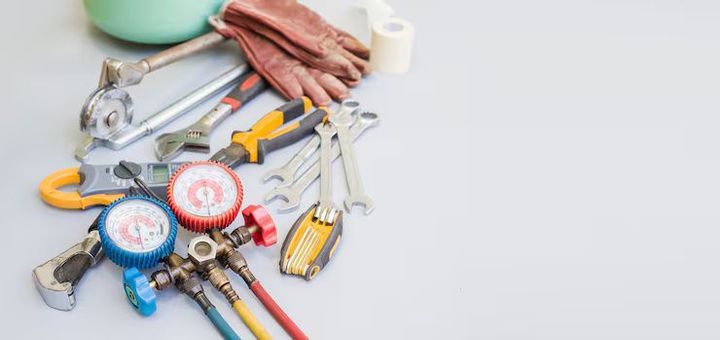
Guide to HVAC Maintenance Tools: Essential Equipment, Functions, and Expert Insights
Heating, ventilation, and air conditioning systems are common in homes, offices, schools, and many public buildings. These systems help maintain indoor temperature, regulate airflow, and support comfortable indoor environments throughout different seasons. Over time, equipment such as air conditioners, furnaces, and ventilation units require periodic inspection and upkeep. This is where HVAC maintenance tools become relevant.
A guide to HVAC maintenance tools explains the equipment commonly used to examine, measure, and maintain heating and cooling systems. These tools help technicians understand how an HVAC system is performing and whether its components are functioning as expected. They also assist in identifying airflow issues, temperature inconsistencies, or electrical irregularities.
Many HVAC maintenance tools focus on measuring system conditions rather than altering equipment directly. Examples include digital thermometers that track air temperature, pressure gauges that evaluate refrigerant pressure, and airflow meters that measure ventilation output. When combined, these tools help create a clearer picture of how an HVAC system operates within a building.
Understanding the essential equipment and functions of HVAC maintenance tools can help readers appreciate how heating and cooling systems are monitored. Even people without technical backgrounds can benefit from learning how these tools contribute to indoor comfort and energy efficiency.
Importance
Modern buildings rely heavily on heating and cooling systems to maintain stable indoor environments. When HVAC systems operate inefficiently, they may lead to uneven temperatures, poor air circulation, or increased energy consumption. HVAC maintenance tools help detect these conditions before they become larger problems.
Several groups benefit from understanding the role of HVAC maintenance tools:
- Building managers monitor heating and cooling performance in offices and commercial spaces.
- Facility operators check system airflow and temperature balance in public buildings.
- Homeowners may use basic diagnostic tools to monitor household HVAC conditions.
- Technicians and inspectors rely on measurement tools to analyze system performance.
One important function of HVAC maintenance tools is diagnostic measurement. For example, airflow measurement tools determine how much air passes through vents, while electrical meters evaluate the power supply reaching system components. These readings help identify conditions such as blocked airflow paths, compressor inefficiency, or thermostat irregularities.
Another reason HVAC maintenance tools matter is indoor air quality. Ventilation systems circulate air through filters and ducts. When airflow becomes restricted, indoor air circulation may decline. Tools such as airflow meters and humidity sensors help detect these changes.
The increasing use of climate control systems worldwide has also expanded the importance of routine monitoring. As buildings become more energy-efficient and automated, precise measurements from HVAC maintenance tools play a role in maintaining system stability.
Recent Updates
The field of HVAC monitoring and maintenance tools has experienced gradual technological changes between 2024 and 2026. Many of these updates relate to digital measurement, connectivity, and system monitoring.
One noticeable trend involves digital diagnostic devices. Traditional analog gauges are increasingly replaced by digital pressure gauges and wireless thermometers. These tools can record measurements more precisely and often display data on mobile devices or monitoring screens.
Another development is the use of smart HVAC monitoring tools. Some modern tools connect to building management systems or cloud-based dashboards. These systems track temperature, humidity, airflow, and energy patterns across different zones in a building. Continuous monitoring can help identify patterns that may not be visible during occasional inspections.
Portable inspection devices have also evolved. Many handheld HVAC maintenance tools now combine several functions in a single device. For example, one instrument may measure temperature, humidity, and airflow simultaneously.
The table below shows examples of commonly used HVAC maintenance tools and their typical functions.
| HVAC Maintenance Tool | Primary Function | Common Application |
|---|---|---|
| Digital thermometer | Measures air temperature | Checking supply and return air temperature |
| Manifold pressure gauge | Evaluates refrigerant pressure | Monitoring compressor and cooling cycle performance |
| Multimeter | Measures electrical voltage and resistance | Examining electrical circuits within HVAC units |
| Airflow meter | Calculates air velocity and volume | Assessing ventilation output in ducts |
| Leak detector | Identifies refrigerant leaks | Inspecting cooling systems and pipe connections |
| Humidity meter | Measures moisture levels in air | Monitoring indoor humidity balance |
The increasing use of compact, multi-function measurement tools reflects a broader shift toward simplified HVAC diagnostics. These tools allow technicians and building managers to evaluate system conditions more efficiently.
Laws or Policies
Heating and cooling systems operate within regulatory frameworks designed to protect environmental quality, energy efficiency, and building safety. HVAC maintenance practices are often influenced by national and regional regulations.
In many countries, HVAC systems must comply with energy efficiency guidelines. For example, organizations such as the Bureau of Energy Efficiency in India provide efficiency standards for appliances and climate control equipment. These standards encourage efficient energy use and proper system operation.
Environmental regulations also influence HVAC inspection practices. Refrigerants used in cooling systems can affect atmospheric conditions if released improperly. International environmental agreements such as the Montreal Protocol aim to regulate substances that impact the ozone layer. HVAC monitoring tools help technicians identify refrigerant leaks and maintain compliance with environmental guidelines.
Building codes also play a role. Local construction rules often specify requirements for ventilation, airflow capacity, and equipment placement. HVAC maintenance tools assist inspectors in confirming that airflow levels and temperature ranges meet building standards.
Another policy area involves occupational safety. Maintenance tasks involving electrical circuits, refrigerant pressure, or ventilation systems require careful measurement and monitoring. Tools such as multimeters and pressure gauges help ensure that systems operate within safe limits.
These regulations do not prescribe specific brands or equipment types but emphasize accurate measurement and responsible system operation.
Tools and Resources
Several tools, platforms, and reference materials help individuals understand HVAC maintenance tools and their applications. These resources often support training, research, and equipment diagnostics.
Some commonly referenced resources include:
- Technical documentation platforms: Many HVAC manufacturers provide digital manuals explaining system components and diagnostic procedures.
- Energy efficiency calculators: Online tools estimate building energy usage based on heating and cooling performance.
- Building management systems: Digital dashboards monitor temperature, airflow, and humidity across multiple building zones.
- HVAC simulation software: These programs model airflow patterns and thermal behavior inside buildings.
- Training platforms: Educational organizations publish guides explaining HVAC maintenance tools and their functions.
In addition to software tools, educational institutions and technical training programs often publish reference materials explaining HVAC equipment diagnostics. These materials typically include diagrams of airflow paths, electrical circuits, and cooling cycles.
For individuals studying HVAC systems, visual learning tools and digital simulations can help illustrate how heating and cooling components interact. While practical inspection tools measure real-world conditions, educational resources provide theoretical explanations of system behavior.
FAQs
What are HVAC maintenance tools used for?
HVAC maintenance tools measure conditions inside heating and cooling systems. These tools evaluate airflow, temperature, electrical activity, refrigerant pressure, and humidity levels. The measurements help determine whether an HVAC system is operating within expected parameters.
Which essential equipment is included in HVAC maintenance tools?
Common examples of essential HVAC maintenance equipment include digital thermometers, airflow meters, pressure gauges, multimeters, leak detectors, and humidity meters. Each tool measures a different system condition that influences heating or cooling performance.
Why are HVAC maintenance tools important for system monitoring?
HVAC maintenance tools provide measurable data about system performance. Temperature readings, airflow calculations, and electrical measurements help identify irregular conditions that may affect indoor comfort or system efficiency.
Can homeowners use HVAC maintenance tools?
Some basic HVAC maintenance tools, such as digital thermometers and humidity meters, can be used by homeowners to monitor indoor conditions. More advanced diagnostic tools are typically used by trained technicians because they involve electrical or refrigerant measurements.
How do airflow measurement tools work in HVAC systems?
Airflow measurement tools evaluate how much air moves through ventilation ducts or vents. They calculate air velocity and volume, helping determine whether air distribution throughout a building is balanced and consistent.
Conclusion
HVAC maintenance tools play a significant role in monitoring heating, ventilation, and air conditioning systems. These tools measure temperature, airflow, pressure, humidity, and electrical activity to help evaluate system conditions. As HVAC technology continues to evolve, digital monitoring tools and connected diagnostic devices are becoming more common.
Understanding the functions of essential HVAC maintenance equipment helps explain how indoor climate systems are evaluated and maintained. From airflow meters to pressure gauges, these tools support accurate measurement and informed system monitoring. Their use contributes to reliable heating and cooling performance in residential and commercial buildings.