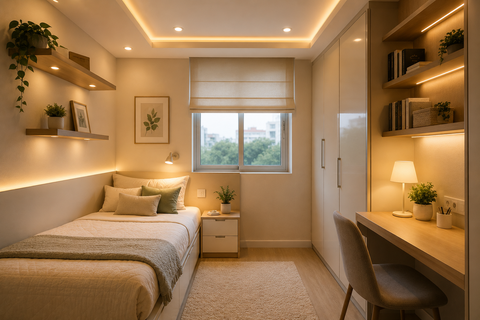
Understanding Climate Control: Insights, Suggestions, and Learning Resources for Better Efficiency
Climate control refers to the management of temperature, humidity, airflow, and air quality within indoor environments. It is commonly used in buildings, vehicles, manufacturing spaces, and storage environments where stable environmental conditions are necessary. The concept developed alongside modern heating, ventilation, and air conditioning technologies that allow indoor spaces to remain comfortable and stable regardless of outside weather conditions.
In earlier decades, maintaining indoor temperature relied mainly on basic heating systems or natural ventilation. Over time, technological developments introduced more precise climate control systems that regulate multiple environmental factors simultaneously. These systems can monitor temperature levels, adjust humidity, and maintain air circulation through automated controls.

Climate control exists because uncontrolled environmental conditions can affect both people and materials. Temperature fluctuations may influence comfort, productivity, or the preservation of certain goods. Humidity levels can also impact air quality and indoor health conditions.
Today, climate control is applied across residential buildings, hospitals, offices, laboratories, data centers, and transportation environments. Each setting requires different environmental conditions depending on how the space is used. As a result, climate control technologies have evolved to support a wide range of applications.
Importance
Climate control plays an important role in maintaining safe, comfortable, and stable indoor environments. Many everyday activities rely on controlled temperatures and airflow without people realizing how much infrastructure supports it.
For households, climate control systems help regulate indoor comfort during seasonal temperature changes. Heating systems maintain warmth during colder periods, while cooling systems reduce excessive heat during warmer conditions. Proper airflow also helps reduce moisture accumulation and improves indoor air quality.
Climate control also affects workplaces and public buildings. Offices, schools, and hospitals rely on controlled indoor environments to support productivity and health conditions. Poor temperature management may lead to discomfort, reduced concentration, or indoor air problems.
In industrial environments, climate control supports operational stability. Certain equipment, materials, and electronic systems perform more reliably when environmental conditions remain within defined ranges.
Common challenges addressed by climate control systems include:
- Temperature regulation: Maintaining stable indoor temperatures regardless of external weather changes.
- Humidity management: Preventing excessive moisture or dryness that may affect air quality or materials.
- Air circulation: Ensuring fresh airflow and reducing the buildup of indoor pollutants.
- Energy efficiency: Managing energy usage while maintaining stable environmental conditions.
The growing importance of climate control is also connected to global temperature variations and increasing urban development. As cities expand and buildings become more complex, controlled indoor environments become increasingly necessary.
Recent Updates
Recent developments between 2024 and 2026 have focused on improving the efficiency and adaptability of climate control technologies. Many systems now incorporate digital monitoring and automation to regulate environmental conditions more accurately.
Smart building technologies are becoming increasingly common. These systems use sensors to monitor temperature, humidity, and air quality. Automated controls can adjust ventilation or cooling levels based on real-time conditions within a building.
Another development is the integration of climate control with energy management platforms. Buildings can now monitor energy consumption related to heating and cooling systems. This allows building managers to adjust environmental settings to maintain stability while reducing unnecessary energy use.
Several trends have shaped climate control improvements:
- Smart thermostats and sensors: Devices that automatically adjust indoor climate settings based on occupancy or temperature changes.
- Integrated building management systems: Platforms that coordinate lighting, ventilation, and temperature control in large facilities.
- Improved air filtration systems: Technologies designed to improve indoor air quality by reducing airborne particles.
- Data-based monitoring: Digital dashboards that track environmental conditions across multiple locations.
These developments reflect broader interest in environmental sustainability and energy efficiency. Buildings are increasingly designed to maintain indoor comfort while using resources more efficiently.
Laws or Policies
Climate control technologies are influenced by national regulations and environmental policies. Governments often establish standards to improve energy efficiency and reduce environmental impact from heating and cooling systems.
In India, building guidelines related to energy use include frameworks developed by the Bureau of Energy Efficiency. These guidelines encourage improved energy management practices in buildings and infrastructure projects.
Another policy framework influencing climate control in buildings is the Energy Conservation Building Code. This code provides recommendations for energy-efficient building design, including insulation, ventilation systems, and cooling technologies.
International organizations also influence climate control technologies through environmental agreements and sustainability guidelines. For example, the International Energy Agency publishes research and policy recommendations related to building energy use and heating or cooling technologies.
Key policy areas that influence climate control systems include:
- Energy efficiency standards: Guidelines encouraging reduced energy consumption in buildings.
- Environmental regulations: Policies aimed at lowering greenhouse gas emissions linked to cooling technologies.
- Building design guidelines: Recommendations for ventilation, insulation, and indoor environmental control.
These regulations shape how climate control systems are designed and installed in residential, commercial, and public infrastructure.
Tools and Resources
Various digital tools and informational resources help individuals and organizations understand climate control systems and monitor environmental conditions. These tools are commonly used in building management, research environments, and household settings.
Some widely used resources include:
- Environmental monitoring tools: Devices that measure indoor temperature, humidity, and air quality.
- Energy consumption calculators: Platforms that estimate how heating or cooling systems affect energy usage.
- Smart thermostat applications: Mobile apps that allow users to adjust indoor climate settings remotely.
- Building management dashboards: Software platforms that track environmental conditions across multiple rooms or facilities.
Several informational platforms also provide guidance on climate control concepts. Educational materials from organizations such as the International Energy Agency and the Bureau of Energy Efficiency explain how building climate systems function and how environmental management strategies can improve indoor conditions.
The table below illustrates common climate control components and their primary functions.
| Climate Control Component | Primary Function |
|---|---|
| Thermostat | Monitors and regulates indoor temperature |
| Humidity Sensor | Measures indoor moisture levels |
| Air Ventilation System | Maintains airflow and fresh air circulation |
| Air Filtration Unit | Removes particles and improves indoor air quality |
| Building Control Panel | Integrates monitoring and automated adjustments |
Understanding these tools helps building occupants and facility managers maintain stable indoor environments while monitoring environmental conditions more effectively.
FAQs
What is climate control and how does it work?
Climate control refers to systems that regulate indoor temperature, humidity, and airflow. These systems use sensors and mechanical equipment to monitor environmental conditions and adjust heating, cooling, or ventilation when needed.
Why is climate control important in buildings?
Climate control helps maintain comfortable indoor temperatures, supports air quality, and reduces humidity-related problems. Stable environmental conditions also support building infrastructure and electronic equipment.
What technologies are used in modern climate control systems?
Modern climate control systems often include smart thermostats, humidity sensors, automated ventilation systems, and integrated building management platforms. These technologies allow indoor environments to adjust automatically based on real-time data.
How does climate control improve energy efficiency?
Efficient climate control systems monitor environmental conditions and adjust equipment operation to maintain stability. Automated controls can reduce unnecessary heating or cooling when environmental conditions remain within acceptable ranges.
Can climate control systems help maintain indoor air quality?
Yes. Many climate control systems include ventilation and filtration technologies that remove airborne particles and maintain airflow. These features support healthier indoor environments.
Conclusion
Climate control systems play an important role in maintaining stable indoor environments across homes, workplaces, and industrial facilities. These systems regulate temperature, humidity, and airflow to support comfort and environmental stability. Technological developments have improved monitoring, automation, and energy management capabilities in modern climate control solutions. Regulations and building guidelines continue to influence how these systems are designed and implemented. Understanding climate control helps individuals and organizations manage indoor environments more effectively.