Air Filters Explained: Types, Efficiency Ratings, and Indoor Air Quality Insights
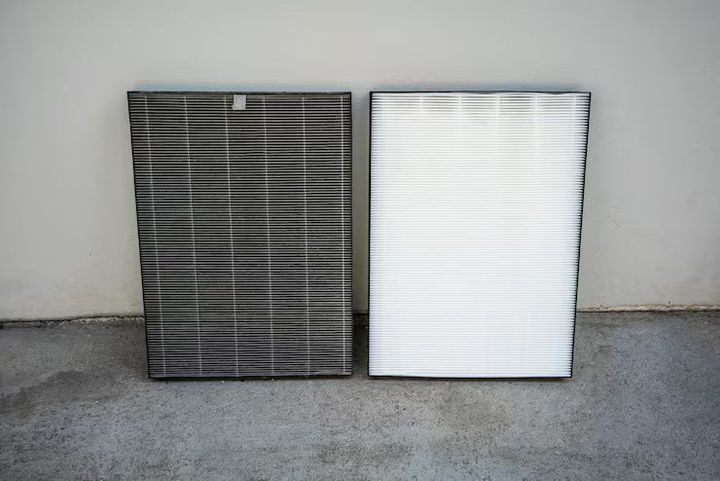
Air filters are widely used devices designed to remove particles from the air as it circulates through ventilation systems. They are commonly found in heating, ventilation, and air conditioning systems, often referred to as HVAC systems, in homes, offices, schools, and other buildings. The purpose of air filters is to capture airborne particles such as dust, pollen, smoke, and other small contaminants before the air continues circulating indoors.
The concept behind air filtration is straightforward: air passes through a material that traps particles while allowing clean air to move through. Over time, this process helps reduce the amount of airborne particles inside enclosed spaces. As concerns about indoor environments grow, many people are learning more about air filters explained through topics like types, efficiency ratings, and their connection to indoor air quality insights.
Indoor air quality refers to the condition of the air inside buildings and structures. Since people spend a large portion of their time indoors, the quality of indoor air can influence comfort and overall well-being. Air filtration technology plays an important role in maintaining a cleaner indoor environment by reducing the presence of airborne particles.
Understanding different air filter types and how efficiency ratings work can help people better interpret information related to indoor air quality. While air filtration systems vary in design, the goal remains consistent: removing particles from circulating air.
Importance
Air filters contribute to managing indoor environments where air continuously moves through ventilation systems. Without filtration, particles such as dust, pollen, pet dander, and smoke can circulate repeatedly within enclosed spaces. Over time, these particles may accumulate on surfaces and remain suspended in the air.
Indoor air quality has become an important topic because many modern buildings are designed to be energy efficient and tightly sealed. While this approach helps maintain temperature control, it can also reduce the natural exchange of indoor and outdoor air. As a result, airborne particles may remain indoors for longer periods.
Several everyday situations highlight why air filters matter:
- Household environments: dust, cooking particles, and pet dander may circulate through indoor air systems.
- Educational buildings: classrooms often contain many occupants, which can influence the number of airborne particles in the environment.
- Workplaces: office equipment, cleaning products, and building materials can contribute to indoor air composition.
- Urban areas: outdoor pollutants may enter buildings through ventilation systems.
Air filtration helps reduce the concentration of these particles. Although filters do not eliminate every airborne substance, they can capture a significant portion depending on the filter type and efficiency rating.
Learning about air filters explained through efficiency ratings also helps people understand how filtration performance is measured. These ratings provide a standardized way to compare filters and understand how effectively they capture particles of different sizes.
Recent Updates
Interest in indoor air quality has increased in recent years, especially as researchers and building designers examine ways to improve indoor environments. Several developments between 2024 and 2026 reflect this growing focus.
One notable trend involves increased awareness of high-efficiency air filtration systems. Many buildings are reviewing ventilation systems and upgrading filters that capture smaller airborne particles. This shift has encouraged more discussions about filter ratings and how they relate to indoor air quality insights.
Another development is the wider adoption of smart air monitoring technology. Digital sensors are now commonly integrated into building management systems. These sensors track measurements such as particulate levels, humidity, and temperature, helping facility managers better understand indoor air conditions.
Portable air purification devices have also become more common in homes, schools, and offices. These units typically use layered filtration methods that combine mechanical filters with other technologies to capture airborne particles.
Manufacturers have also introduced new filter materials designed to improve airflow while maintaining filtration efficiency. These materials aim to balance particle capture with energy performance in ventilation systems.
Overall, recent updates show that air filtration technology continues to evolve as research into indoor air environments expands.
Laws or Policies
Air filtration practices are influenced by building regulations and environmental standards in many countries. These rules often address ventilation requirements and acceptable indoor air conditions.
In the United States, organizations such as the Environmental Protection Agency provide guidance related to indoor air quality and environmental health. While these guidelines are not always mandatory, they influence building management practices and public awareness.
Standards for air filtration efficiency are commonly defined by the American Society of Heating, Refrigerating and Air-Conditioning Engineers. This organization developed the Minimum Efficiency Reporting Value (MERV) rating system used to measure filter performance. MERV ratings help indicate how effectively a filter captures particles of different sizes.
In Europe, air quality guidance is often associated with recommendations from the World Health Organization, which publishes research on environmental health and indoor air conditions.
Many countries also include ventilation requirements in building codes. These regulations specify how much outdoor air must circulate through buildings to maintain acceptable indoor conditions. Air filters are commonly part of these ventilation systems because they help manage airborne particles entering through mechanical airflow systems.
Although regulations vary by region, the overall goal is similar: maintaining safe and comfortable indoor environments through ventilation and filtration practices.
Tools and Resources
People interested in learning more about air filters and indoor air quality can access a variety of educational tools and resources. These materials often help explain filter types, efficiency ratings, and airflow performance.
One widely referenced resource is the guidance published by the American Society of Heating, Refrigerating and Air-Conditioning Engineers. Their publications explain filtration standards, ventilation practices, and indoor air quality considerations.
Educational materials are also available through the Environmental Protection Agency, which provides information about indoor air pollutants and environmental health topics.
Online air quality monitoring platforms can also help people understand indoor conditions. Many of these systems connect with sensors that measure particulate levels and provide data through mobile or web applications.
Some tools focus on explaining filtration efficiency through simplified comparisons. These resources often illustrate how particle size affects filtration performance and how different filter types function.
Common Types of Air Filters
Different filter designs capture airborne particles in different ways. Several commonly discussed air filter types include:
- Fiberglass filters: lightweight layers of spun glass fibers that capture larger particles.
- Pleated filters: folded filter material that increases surface area for particle capture.
- Electrostatic filters: materials that use static electricity to attract airborne particles.
- High-efficiency particulate air filters: specialized filters designed to capture extremely small particles.
Understanding Efficiency Ratings
Filtration efficiency is often described using standardized rating systems. These ratings help explain how well filters capture particles of different sizes.
Below is a simplified overview of common efficiency ranges associated with MERV ratings.
| MERV Rating Range | Particle Capture Capability | Typical Application Context |
|---|---|---|
| 1–4 | Larger dust particles | Basic residential filtration |
| 5–8 | Mold spores and pet dander | Residential and light commercial buildings |
| 9–12 | Smaller dust and pollen | Improved filtration in offices or schools |
| 13–16 | Fine particles including smoke | Higher efficiency building systems |
This table illustrates how higher ratings generally correspond to improved particle capture. However, compatibility with ventilation systems depends on airflow design and filter structure.
Understanding efficiency ratings helps clarify how air filters contribute to indoor air quality insights.
FAQs
What are the main types of air filters explained in indoor air systems?
Several types of air filters are used in indoor ventilation systems. These include fiberglass filters, pleated filters, electrostatic filters, and high-efficiency particulate air filters. Each design captures airborne particles through different filtration methods.
How do air filter efficiency ratings work?
Efficiency ratings describe how effectively a filter captures airborne particles of different sizes. Systems such as the MERV rating scale categorize filters based on their ability to capture particles ranging from larger dust particles to finer airborne contaminants.
How do air filters influence indoor air quality insights?
Air filters influence indoor air quality by capturing particles that circulate through ventilation systems. By reducing the concentration of dust, pollen, and similar particles, filters contribute to cleaner indoor environments.
What particle sizes do air filters capture?
Air filters capture particles of various sizes depending on their design and rating. Larger particles such as dust are typically easier to capture, while smaller particles require higher-efficiency filtration materials.
Why is understanding air filters explained in building ventilation systems important?
Understanding air filters explained in ventilation systems helps people interpret indoor air quality information. It also helps explain how filtration systems function within heating and cooling infrastructure.
Conclusion
Air filters play a significant role in managing indoor environments by capturing airborne particles circulating through ventilation systems. Understanding air filter types and efficiency ratings provides useful context for interpreting indoor air quality information. Standardized rating systems help explain how different filters capture particles of varying sizes. As attention to indoor air conditions grows, knowledge about air filtration systems continues to expand.