Guide to AI-Based Quality Monitors: Machine Vision, Automation, and Industrial Accuracy
AI-based quality monitors are systems that use artificial intelligence, machine vision, and automation to inspect products and processes in manufacturing environments. These systems analyze visual or sensor data to detect defects, measure dimensions, and evaluate production consistency. Over time, advances in computing power and digital imaging have made it possible for machines to recognize patterns and identify irregularities with increasing accuracy.
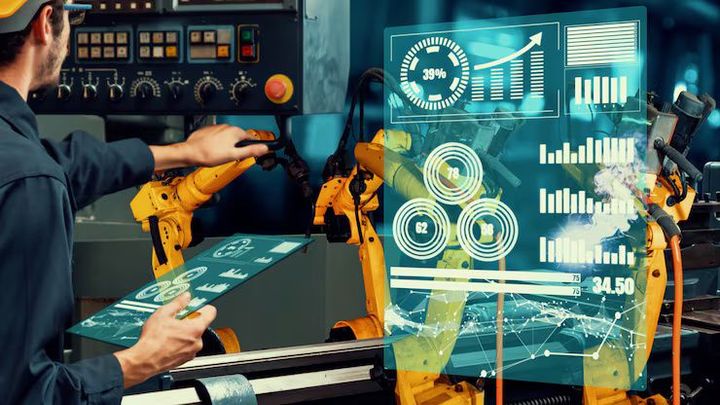
Machine vision plays a central role in AI-based quality monitoring. Cameras, sensors, and imaging software capture detailed visual information during production. Artificial intelligence models analyze that data to determine whether products meet expected standards. This process helps manufacturers observe production conditions in real time and identify variations that may affect quality.
Automation further strengthens these systems by allowing continuous monitoring without manual inspection. Instead of relying only on human observation, automated inspection tools scan products repeatedly and consistently. As a result, industries such as electronics, automotive manufacturing, food processing, and packaging often use AI-based quality monitors to support industrial accuracy.
The development of AI-based quality monitors emerged from a need to improve consistency and reduce errors in complex production environments. As manufacturing processes became faster and more detailed, traditional inspection methods sometimes struggled to keep pace. AI systems now assist in analyzing large volumes of visual data, helping industries maintain stable quality standards.
Importance
Quality control is a central part of industrial production. Even small defects can affect product safety, performance, or reliability. AI-based quality monitors help identify such issues earlier in the manufacturing process.
One major advantage of machine vision systems is their ability to analyze detailed visual patterns. Human inspectors may experience fatigue or overlook subtle variations during repetitive tasks. Automated systems, by contrast, evaluate every item using the same inspection rules. This improves consistency across large production volumes.
Industrial accuracy is especially important in industries where small measurement differences matter. For example, electronic components, medical devices, and automotive parts often require precise dimensions. AI-powered monitoring systems can compare each item against defined parameters and flag unusual variations.
Several common challenges addressed by AI-based quality monitoring include:
- Detecting surface defects: Scratches, dents, cracks, and discoloration may appear during production. Machine vision cameras capture high-resolution images that allow AI systems to detect such imperfections.
- Monitoring dimensional accuracy: Some products must meet precise size and shape specifications. AI inspection tools measure features directly from visual data.
- Tracking production consistency: Automated monitoring helps identify patterns that indicate equipment misalignment or process drift.
- Reducing manual inspection workload: Automation can handle repetitive visual inspection tasks, allowing workers to focus on process supervision and analysis.
These capabilities allow manufacturers to respond quickly when production irregularities appear. Instead of waiting for problems to be discovered later in the supply chain, monitoring systems can identify them earlier during production.
Industrial sectors using AI-based quality monitoring
Many industries apply machine vision and automation for quality inspection. The table below outlines several examples.
| Industry Sector | Common Quality Monitoring Focus | Example Inspection Tasks |
|---|---|---|
| Electronics manufacturing | Circuit alignment and component placement | Detect missing or misaligned components |
| Automotive manufacturing | Surface and structural inspection | Identify scratches or welding inconsistencies |
| Food processing | Packaging integrity and labeling accuracy | Verify label placement and seal integrity |
| Pharmaceutical production | Packaging verification | Confirm correct packaging and printed information |
| Packaging and printing | Color accuracy and alignment | Detect color variation or print misalignment |
These examples illustrate how AI-based quality monitors help maintain industrial accuracy in a wide range of production environments.
Recent Updates
Between 2024 and 2026, several developments have influenced how AI-based quality monitoring systems are designed and applied. Advances in computing hardware and AI algorithms have improved the speed and accuracy of machine vision systems.
One notable trend is the use of edge computing. In this approach, image processing and AI analysis occur directly on local devices near production equipment rather than relying entirely on remote computing infrastructure. This reduces data transmission delays and allows inspection systems to respond quickly during high-speed manufacturing processes.
Another development involves deep learning models trained on large image datasets. These models can recognize complex visual patterns that traditional rule-based inspection methods might miss. As a result, machine vision systems are increasingly capable of detecting subtle defects or irregular shapes.
Integration with industrial automation platforms has also expanded. Modern production lines often combine robotic equipment, sensors, and AI-based inspection tools within the same control environment. This integration allows monitoring systems to communicate directly with automation systems and signal when adjustments may be required.
Manufacturers are also exploring multi-sensor inspection methods. Instead of relying only on cameras, some monitoring systems combine imaging with laser scanning, infrared sensing, or three-dimensional measurement technologies. These approaches provide additional information about product surfaces and structures.
Overall, the trend suggests that AI-based quality monitors are becoming more adaptable and capable of handling diverse inspection scenarios across different industries.
Laws or Policies
Industrial automation and machine vision technologies are influenced by various safety and regulatory frameworks. These rules often focus on equipment safety, data management, and manufacturing standards.
In many countries, manufacturing equipment must comply with workplace safety regulations that address automated machinery and robotics. These regulations help ensure that automated systems operate safely alongside human workers. Monitoring equipment integrated into production lines must follow similar safety guidelines.
Data protection laws also influence how AI-based monitoring systems manage visual data. Cameras used in machine vision systems may capture images of products, equipment, or surrounding environments. Regulations often require organizations to manage such data responsibly and limit its use to operational purposes.
Quality standards also play a role in shaping industrial monitoring practices. For example, international standards developed by organizations such as the International Organization for Standardization establish frameworks for quality management and manufacturing processes. These standards encourage consistent documentation and traceability during production.
In addition, some industries follow regulatory guidelines related to product safety and traceability. Pharmaceutical and food production environments often maintain strict monitoring procedures to ensure product integrity. AI-based quality monitoring tools can support compliance with these frameworks by documenting inspection results and production data.
Government programs that promote industrial digitalization have also encouraged the adoption of advanced manufacturing technologies. These initiatives often support research and infrastructure development related to automation, artificial intelligence, and smart manufacturing systems.
Tools and Resources
Various tools and platforms support the development and implementation of AI-based quality monitors. These resources assist engineers and production teams in building machine vision systems and analyzing inspection data.
Machine vision software platforms provide tools for image analysis, defect detection, and measurement. For example, the OpenCV framework is widely used in computer vision projects and research environments. It includes algorithms for image processing, pattern recognition, and object detection.
Industrial automation platforms also integrate machine vision capabilities. The MATLAB environment includes toolkits for image processing and AI model development. These tools allow engineers to experiment with algorithms that analyze visual inspection data.
Cloud computing platforms sometimes support large-scale data analysis for industrial monitoring. Systems developed using frameworks such as TensorFlow allow engineers to train artificial intelligence models that recognize defects in production imagery.
Manufacturers and research institutions also rely on several types of resources:
- Image annotation tools: Used to label training data for AI models that detect defects or patterns.
- Simulation platforms: Help engineers test machine vision systems before implementing them in production environments.
- Industrial automation software: Coordinates communication between inspection equipment, robotics, and control systems.
- Data analysis platforms: Allow teams to study inspection results and identify production trends.
These tools support the development of systems that combine artificial intelligence, machine vision, and automation to improve industrial accuracy.
FAQs
What are AI-based quality monitors?
AI-based quality monitors are inspection systems that use artificial intelligence and machine vision to evaluate products during manufacturing. Cameras and sensors capture images or measurements, and AI algorithms analyze the data to identify defects or irregularities.
How does machine vision improve industrial accuracy?
Machine vision improves industrial accuracy by analyzing visual information with consistent inspection rules. Cameras capture detailed images of products, and software measures shapes, patterns, or surface features to determine whether items meet defined standards.
Where are AI-based quality monitors commonly used?
AI-based quality monitors are used in industries such as electronics manufacturing, automotive production, packaging, pharmaceuticals, and food processing. These systems help monitor product consistency and detect defects during production.
Can automation replace manual quality inspection?
Automation can perform many repetitive inspection tasks, particularly those involving visual analysis. However, human oversight often remains important for evaluating unusual situations, supervising systems, and interpreting inspection data.
What technologies are included in AI-based quality monitoring systems?
Typical systems combine several technologies, including machine vision cameras, artificial intelligence algorithms, automation equipment, and data analysis software. Together, these components help monitor manufacturing processes and support industrial accuracy.
Conclusion
AI-based quality monitors combine machine vision, artificial intelligence, and automation to support consistent product inspection in manufacturing environments. These systems analyze visual and sensor data to identify defects, measure dimensions, and track production consistency. Advances in computing and imaging technology have expanded their capabilities across multiple industries. As manufacturing processes continue to evolve, automated monitoring tools contribute to maintaining industrial accuracy and documenting quality standards.